Key Takeaways
- Ragdoll cats are large, typically weighing around 15 pounds.
- They exhibit a unique behavior of going limp when picked up.
- Ragdolls are known for their dog-like loyalty and affection.
- This breed has striking blue eyes and a gentle temperament.
- They respond well to natural and holistic care approaches.
Table of Contents
- What Is a Ragdoll Cat? Quick Facts For Curious Pet Parents
- From Josephine to Today – The Story Behind Ragdoll Cats
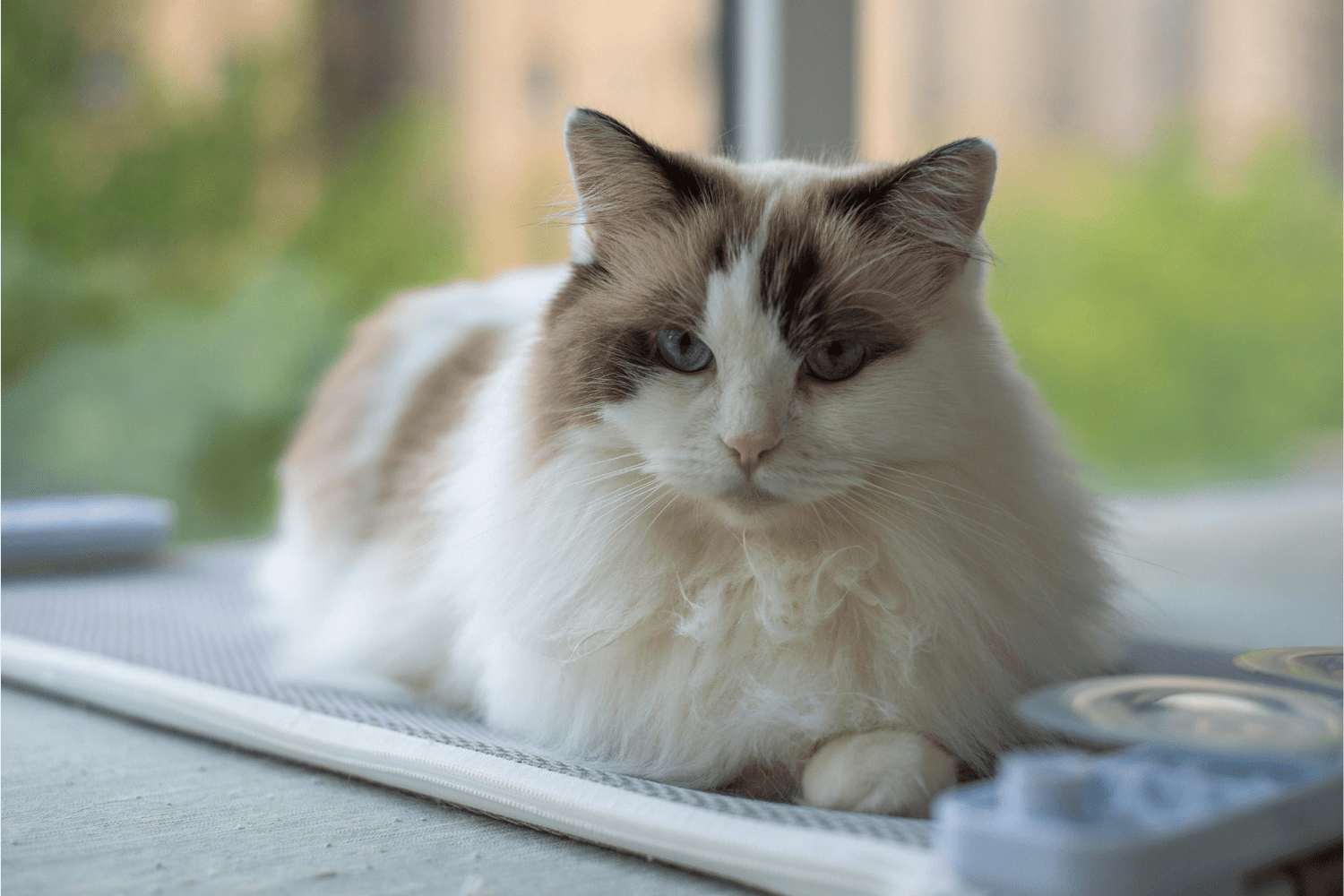
- Ragdoll Looks – Size, Coat, and Those Famous Blue Eyes
- Ragdoll Personality – Living With a "Puppy Cat"
- Everyday Care For a Happy, Healthy Ragdoll
- Common Ragdoll Health Considerations (And How Pet Parents Can Help)
Ragdoll Cats – Gentle Giants of the Cat World (And How to Help Them Live Their Best Life)
Picture a 15-pound cat who greets you at the door, goes completely limp when you pick them up, and follows you from room to room like a devoted dog. That's the magic of ragdoll cats – the breed that redefined what it means to be feline. These blue-eyed beauties aren't just pretty faces; they're gentle souls who thrive on human connection and respond beautifully to natural, holistic care.
Whether you're considering adding a ragdoll to your family or already sharing your home with one of these gentle giants, understanding their unique needs helps ensure they live their happiest, healthiest life possible. For ragdoll cats who experience stress or anxiety, you might find support with Pet Relax Cat Calming Anxiety Relief designed to promote calm and well-being.
What Is a Ragdoll Cat? Quick Facts For Curious Pet Parents
Ragdoll At a Glance – The "Cliff Notes" Version
- Average weight: Males 12–20+ lb, Females 8–15 lb
- Average length: 17–21 inches body length (tail not included)
- Typical lifespan: 12–17 years with good care
- Energy level: Low to moderate
- Best environment: Indoor companions
Is a ragdoll right for you? These cats flourish in homes where someone's around frequently, families with gentle children, and multi-pet households seeking a peaceful addition. They're not ideal for people wanting an independent, low-maintenance pet.
What Makes a Ragdoll Different From "Any Fluffy Cat"?
The signature "floppy" relaxed body when held isn't just cute – it's bred-in temperament. Most cats tense up when lifted; ragdolls genuinely relax their muscles, trusting completely in their human's care.
Their "dog-like" traits set them apart: following you from room to room, learning your daily routines, and greeting visitors at the door. Unlike agile climbers who scale curtains, ragdolls prefer staying closer to ground level, making them easier housemates. If you're curious why cats love certain cozy spots, why do cats love boxes is a fun read.
Breed Recognition and Standards in Plain English
Major registries like CFA and TICA recognize ragdolls by key hallmarks: brilliant blue eyes, color-pointed patterns, semi-long silky coats, and substantial bone structure. Not every blue-eyed, fluffy cat qualifies as a true ragdoll – pedigree and known parentage matter for breed authenticity.
Most families are happiest with pet-quality ragdolls rather than show-quality cats. Pet-quality means they have the wonderful temperament and general appearance but may have minor coat variations that wouldn't win ribbons.
From Josephine to Today – The Story Behind Ragdoll Cats

The 1960s Riverside Origins
The ragdoll breed began in Riverside, California in the 1960s with breeder Ann Baker and a white, longhaired cat named Josephine. Baker carefully selected foundation cats including Blackie, Daddy Warbucks, Fugianna, and Buckwheat to establish the docile temperament and striking appearance we see today.
How Ragdolls Got Their Name and "Floppy" Reputation
Their relaxed nature when held inspired the name "Ragdoll." This floppiness reflects their trusting, calm temperament – not muscle weakness or medical issues. It's selective breeding for gentleness made visible.
From Small Cattery to Global Favorite
Ann Baker initially trademarked the ragdoll name and formed early breed clubs. Other dedicated breeders eventually branched out to gain recognition from major cat registries, spreading the breed to the UK and worldwide. Today's ragdolls maintain that original vision: strikingly beautiful cats with exceptionally gentle souls.
Why This History Matters To You and Your Cat
Decades of selective breeding for gentle temperaments and striking looks means modern ragdolls come with predictable traits: calm confidence, people-focused personalities, and specific care needs. Choosing ethical breeders or rescues that prioritize health testing and early socialization continues this legacy of well-adjusted companions. For a deeper dive into breed background and care, see this Wikipedia overview of the ragdoll cat.
Ragdoll Looks – Size, Coat, and Those Famous Blue Eyes
Big, Soft, and Surprisingly Solid – Size & Build
Male ragdolls typically reach 12–20+ pounds, often taking up to 4 years to reach full adult size. Females usually weigh 8–15 pounds with slightly more delicate facial features. Their substantial build includes broad chests, medium-length legs, large round paws, and gloriously plumed tails.
| Feature | Ragdoll | Average Domestic Cat |
|---|---|---|
| Weight Range | 8-20+ lbs | 8-12 lbs |
| Growth Time | Up to 4 years | 12-18 months |
| Body Length | 17-21 inches | 12-16 inches |
| Overall Impression | Substantial, muscular | Compact, agile |
Coat Texture and Shedding – What You'll See on Your Couch
Ragdolls sport semi-long, silky coats with minimal dense undercoat compared to other longhaired breeds. This means fewer tangles and less of that cottony texture that mats easily. However, seasonal shedding still happens – expect heavier fur loss in spring and fall, lighter amounts in winter and summer.
While their coat is less prone to matting, "low matting" doesn't mean zero grooming. Regular brushing prevents the loose fur from ending up on every surface in your home.
Pointed Patterns and Color Variations Explained Simply
All ragdoll cats display "pointed" patterns: darker colors on the face, ears, tail, and legs with lighter body shades. The three main pattern types are colorpoint (classic pointed with no white), mitted (pointed with white "mittens" and chin), and bicolor (pointed with white chest, belly, and inverted "V" on the face).
Popular colors include seal (dark brown points), blue (gray points), chocolate, and lilac, each creating stunning combinations with their cream to white body shades.
Those Deep-Blue Eyes – Beauty With Responsibilities
All ragdolls have brilliant blue eyes as part of the breed standard – no exceptions. These stunning eyes require gentle attention since tear staining around the inner corners is normal, but thick, colored discharge signals a vet visit. If you notice persistent eye issues, Cat Eye Infection & Eye Care Support may help support ocular health.
Daily eye checks take just seconds: look for clear vs cloudy discharge, and gently wipe away normal tear residue with a soft, damp cloth. For more information on feline eye health, you may also want to read about conjunctivitis in cats.
Ragdoll Personality – Living With a "Puppy Cat"
Affectionate Lap Cat… on Their Own Terms
Ragdolls embody calm affection, genuinely enjoying human company and often seeking out laps for extended cuddle sessions. Many love being picked up and held, but consent and gentle handling remain important – even the most relaxed cat has preferences about how and when they're touched.
Ragdolls usually love: Quiet evenings, soft voices, predictable daily routines
They may struggle with: Chaotic households, rough handling, being ignored all day
Play Style and Activity Level
These gentle giants maintain low to moderate energy levels, preferring short bursts of playful activity followed by plenty of lounging time. Rather than acrobatic high jumps, they favor floor-level games and sturdy furniture they can easily navigate.
Ideal play includes wand toys for gentle pouncing, puzzle feeders for mental stimulation, and surprisingly, many enjoy soft fetch games with lightweight toys.
Social Butterflies – Kids, Dogs, and Other Cats
Ragdolls typically thrive with respectful children who understand gentle handling, and their easygoing nature often translates to peaceful coexistence with gentle dogs and other cats. Success depends on proper introductions and mutual respect.
For smooth introductions, try scent-swapping for 2–3 days before face-to-face meetings, keep initial meetings under 10 minutes with supervision, and always provide easy escape routes for all animals involved.
Emotional Needs – Why They Don't Like Being Lonely
These social cats bond deeply with their families and can struggle with extended alone time. Watch for stress signals like excessive clinginess, vocalizing when you leave, or changes in eating and litter box habits.
Long work days may require extra enrichment, companionship from another pet, or gentle calming support to help them cope with separation. If you want to learn more about the emotional support role cats can play, see can cats be service or emotional support animals.
Everyday Care For a Happy, Healthy Ragdoll

Grooming Routine – 10 Minutes, 2–3 Times a Week
Dedicate 5–10 minutes for brushing 2–3 times weekly, focusing on problem areas: underarms, behind ears, belly, and the fluffy "pants" area around their back legs. Use a soft slicker brush or wide-tooth comb to catch loose fur before it becomes household tumbleweeds.
Keep a simple grooming kit handy: quality brush, wide-tooth comb, grooming wipes, and blunt-nose scissors for emergencies only. During heavy shedding seasons (spring and fall), increase brushing to 4-5 times per week to stay ahead of loose fur.
Bathing, Nails, and Daily Comfort Checks
Most Ragdoll cats can go months without a full bath thanks to their self-grooming abilities. Focus on spot-cleaning unless your vet recommends bathing for medical reasons. Trim nails every 2-4 weeks, aiming for just the clear tip, best done after play or a meal when they're relaxed.
Build a quick daily check into your routine: glance at eyes, nose, ears, and under-tail area for debris or irritation. This 30-second habit helps you catch small issues before they become bigger concerns.
Nutrition Basics For Large, Slow-Maturing Cats
Feed kittens a growth formula until around 12-18 months, then transition gradually to adult food over 7-10 days. Since ragdoll cats take up to 4 years to reach full size, proper nutrition during growth is crucial.
Watch body condition rather than obsessing over the scale. You should be able to feel ribs without pressing hard, and see a waist when viewing from above. Prevent overeating with measured meals, puzzle feeders, and timed feeders that slow down eager eaters.
Exercise and Indoor Environment
Aim for at least two play sessions of 10-15 minutes each day. Set up stable cat trees around 4-5 feet tall, horizontal and vertical scratching posts, and soft beds in quiet corners plus one favorite perch near a window.
Rotate toys every 1-2 weeks to keep curiosity alive. Ragdoll cats prefer floor-level activities and sturdy furniture over acrobatic high jumps, though individual personalities vary.
Gentle, Natural Support for Everyday Wellness
At BestLife4Pets, we believe in supporting the body's own healing with natural, homeopathic pellets. Pet parents often reach for daily support during joint discomfort in large cats, stress during household changes, urinary comfort issues, and dental maintenance routines. For ragdolls prone to joint issues, Cat Hip and Joint Pain Relief can help maintain mobility and comfort.
Our remedies are tiny, tasteless pellets that can be mixed with food or given directly, making life easier for picky ragdoll cats who might reject liquid medications. This gentle approach works alongside your regular vet care to help maintain your cat's natural wellness.
Not a substitute for professional veterinary advice.
Common Ragdoll Health Considerations (And How Pet Parents Can Help)
Big Breed, Big Heart – Understanding Heart Health
Some ragdoll cats can be prone to certain heart concerns, like thickening of the heart muscle. Choose breeders who screen parents for heart conditions, and ask your vet about baseline heart exams, especially by age 3-4.
Watch for signs like increased breathing rate at rest, lethargy, or sudden collapse, these require immediate vet visits. Early detection and monitoring help ensure the longest, healthiest life possible.
Joints, Weight, and Mobility in a Large Cat
Extra weight puts stress on hips and knees in cats that may reach 15-20+ pounds. Do a simple weekly check: ribs should be easily felt, waist visible from above, and movement should look comfortable when jumping.
Natural joint-support remedies may help maintain comfort and mobility, especially in middle-age and senior ragdoll cats. Cat Hip and Joint Pain Relief offers gentle daily support alongside vet care and weight management. For tips on recovery after joint surgery, see hip and joint surgery after care tips for dogs and cats.
Coat, Skin, and Hairball Issues
Long fur and self-grooming can lead to hairballs. Normal occasional hairballs are expected, but repeated vomiting, constipation, or appetite loss require a vet check. Regular brushing, extra hydration, and interactive feeders that slow eating help prevent excessive hair ingestion.
Dental and Gum Health in Laid-Back Cats
Tartar and gum discomfort can creep up in indoor cats that don't chew much. Aim for tooth-brushing 2-3 times a week with cat-safe products, and offer appropriate chew toys as recommended by your vet.
Cat Dental Care & Bad Breath Remedy provides an easy, no-brushing add-on to help maintain oral health between regular dental care routines. For more on why dental hygiene matters, check out why brush cats teeth.
Stress, Anxiety, and Change – The Hidden Side of a Calm Cat
Moves, new pets, loud renovations, or long absences can trigger stress even in mellow ragdoll cats. Signs include over-grooming, hiding, changes in litter box use, and decreased appetite.
Stress Management Solutions:
- Create a quiet "safe room" for the first 3-7 days of any big change
- Keep feeding, play, and bedtime on predictable schedules
- Use Pet Relax Cat Calming Anxiety Relief that may ease tension and support emotional balance
Not a substitute for professional veterinary advice.
Preventive Care Checklist By Age
Kittens: Follow your vet's vaccine and parasite check schedule, with spay/neuter
Frequently Asked Questions
What unique behaviors and personality traits distinguish ragdoll cats from other cat breeds?
Ragdoll cats are known for their dog-like loyalty and affection, often following their humans from room to room and greeting visitors warmly. Unlike most cats, they go completely limp when picked up, showing deep trust and a relaxed temperament. Their gentle, calm nature makes them stand out as affectionate companions rather than independent or aloof pets.
How should I care for a ragdoll cat to ensure they remain healthy and happy?
To keep a ragdoll healthy and happy, provide a balanced diet, regular grooming to maintain their plush coat, and gentle handling that respects their trusting nature. Interactive play and routine vet check-ups support their well-being, while natural calming remedies can help ease any stress or anxiety they might experience.
What are the common health considerations for ragdoll cats and how can pet parents address them?
Ragdolls can be prone to certain genetic and age-related health issues, so regular veterinary care is essential. Pet parents can support their cats with natural, holistic approaches that promote overall wellness and comfort. Observing changes in behavior or mobility early and consulting a vet helps ensure timely care and a better quality of life.
Why do ragdoll cats go limp when picked up, and what does this say about their temperament?
Ragdolls go limp when picked up because of a unique, bred-in trait that reflects their deep trust and relaxed nature. This floppy response shows they feel safe and secure in your arms, highlighting their gentle temperament and strong bond with their humans.