
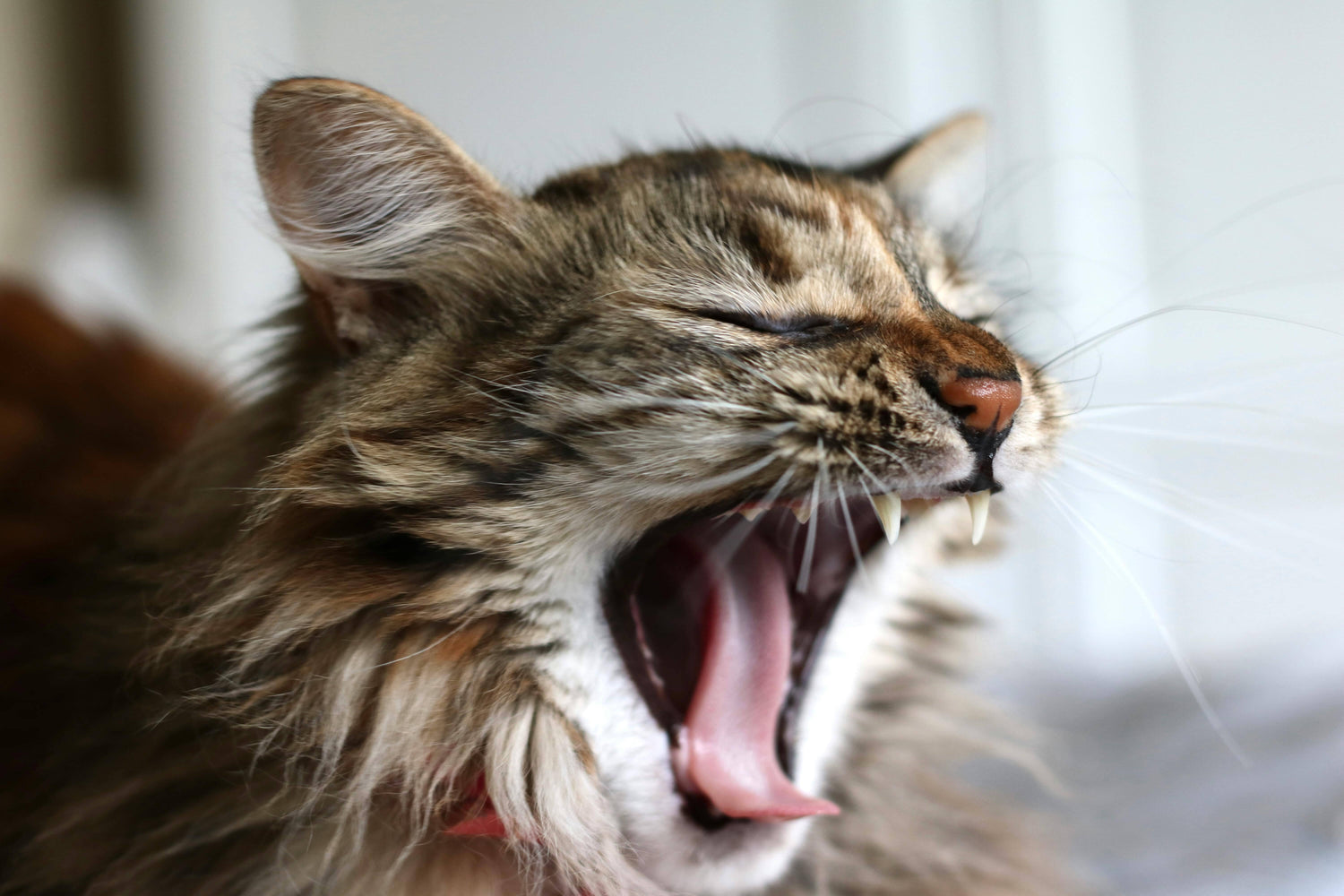
If you’ve ever walked into a room and found a tube‑shaped pile of vomit on the floor, you’re not alone. Many cat parents deal with hairballs at some point, and while the occasional hairball can be normal, frequent hairball vomiting can be frustrating, and worrying.
Hairballs are often treated as “just a cat thing,” but excessive hairballs can sometimes signal that something deeper is going on, especially with digestion, grooming habits, or diet. Understanding why your cat is throwing up hairballs can help you know when it’s harmless, and when it’s time to take a closer look.
This guide walks you through the common causes of cat hairballs, symptoms to watch for, and gentle ways to help reduce them.
Table of Contents
- What Are Hairballs, Really?
- Why Do Cats Throw Up Hairballs?
- What Does Cat Hairball Vomit Look Like?
- When Are Hairballs a Problem?
- Hairball Blockage: What Cat Parents Should Know
- How to Help Reduce Hairballs Naturally
- When to Talk to Your Vet
- Final Thoughts
What Are Hairballs, Really?
Despite the name, hairballs aren’t actually balls. They’re usually long, tube‑shaped clumps of hair mixed with digestive fluids.
Cats groom themselves frequently, and during grooming they swallow loose fur. Most of that hair passes through the digestive tract and exits in the litter box. Hairballs form when fur builds up in the stomach instead of moving smoothly through the intestines.
When the stomach can’t move the hair along, the body’s response is often to vomit it back up.
Why Do Cats Throw Up Hairballs?

1. Grooming and Excess Fur
Long‑haired cats and heavy shedders are more prone to hairballs, but short‑haired cats can get them too. Seasonal shedding, stress grooming, or skin irritation can increase the amount of fur your cat swallows.
2. Digestive Issues
Hairballs are often a digestion problem, not just a grooming one. If the digestive system isn’t working efficiently, hair is more likely to accumulate instead of passing naturally.
Poor digestion may be linked to:
- Low moisture intake
- Lack of dietary fiber
- Imbalanced gut bacteria
-
Sensitive stomachs
3. Diet and Hydration
Dry food diets and low water intake can slow digestion. When food and hair move slowly through the gut, hairballs are more likely to form. Some cats may also react poorly to certain ingredients, which can trigger vomiting along with hairballs.
4. Stress and Anxiety
Stress can affect digestion in cats just as it does in humans. Changes in routine, new pets, travel, or environmental stressors may contribute to hairball vomiting by disrupting normal gut function.

What Does Cat Hairball Vomit Look Like?
Typical hairball vomit:
- Long, cylindrical shape
- Mostly hair, sometimes mixed with bile or foam
- Occasional occurrence
This is different from regular vomit, which may be liquid, contain food, or appear frequently without visible hair.
When Are Hairballs a Problem?
Occasional hairballs are usually normal. However, frequent hairball vomiting may signal an underlying issue.
Signs That Hairballs May Be More Than Normal
- Hairballs happening weekly or multiple times a week
- Repeated gagging or coughing without producing a hairball
- Loss of appetite
- Lethargy
- Constipation or diarrhea
-
Weight loss
These symptoms can point to digestive imbalance or, in rare cases, a hairball blockage.
Hairball Blockage: What Cat Parents Should Know

A hairball blockage occurs when fur becomes lodged in the digestive tract and cannot pass. This is uncommon, but it can be serious.
Possible Signs of a Hairball Blockage
- Persistent vomiting, especially bright yellow bile
- Straining to defecate or no bowel movements
- Abdominal discomfort
- Sudden loss of appetite
-
Lethargy or unwillingness to engage
If you notice these signs, it’s important to contact your veterinarian promptly.
How to Help Reduce Hairballs Naturally
The goal of hairball prevention is to help hair move through the digestive system instead of coming back up.
1. Support Healthy Digestion
A well‑functioning digestive system is key to preventing hairballs. When digestion is balanced, swallowed fur is more likely to pass naturally.
Many cat parents should focus on:
- Improving gut health
- Gentle digestive support
-
Ensuring balanced fiber intake
2. Increase Moisture Intake
Encouraging your cat to eat wet food or drink more water can help keep digestion moving smoothly.
3. Regular Grooming
Brushing helps remove loose fur before your cat swallows it. During heavy shedding seasons, more frequent grooming can make a noticeable difference.
4. Gentle Hairball Supplements
Some pet parents choose hairball supplements designed to support digestion rather than relying on petroleum-based gels, which many cats dislike or refuse.
At BestLife4Pets, our Hairball B-Gone Supplement is formulated to support digestive comfort and healthy gut motility, helping swallowed hair move naturally through the digestive tract instead of being vomited back up.
Our hairball supplement is designed to help by:
-
Supporting gut motility
-
Encouraging hair to pass naturally through stool
-
Being gentle enough for cats with sensitive stomachs
-
Avoiding petroleum-based or artificial additives or ingredients
👉 You can learn more about the BestLife4Pets Hairball Supplement here.

When to Talk to Your Vet
If hairballs are frequent, worsening, or accompanied by other symptoms like appetite changes or lethargy, a veterinary check is important. Your vet can help rule out food sensitivities, gastrointestinal conditions, or other underlying issues.
Frequently Asked Questions about Cat Hairballs
Is it normal for cats to throw up hairballs?
Yes, occasional hairballs can be normal. Frequent hairball vomiting is not and may indicate digestive issues.
How often is too often for hairballs?
Hairballs happening more than once or twice a month may be worth addressing.
Do hairball remedies actually work?
Yes, when they address the root cause. Digestive-focused solutions like the BestLife4Pets Hairball Supplement are designed to support gut health and natural hair passage rather than simply lubricating the stomach.
Can diet changes help with hairballs?
Yes. Diet plays a major role in digestion, hydration, and hairball prevention.
Final Thoughts

Hairballs are common, but they don’t have to be constant. By understanding what causes hairballs and supporting your cat’s digestion, grooming, and hydration, many cats experience fewer episodes.
For cat parents looking for gentle, preventative support, a digestion-first option like the BestLife4Pets Hairball Supplement can be a helpful addition to a hairball-reduction routine.
If hairballs seem excessive or are paired with other symptoms, taking a proactive approach, and consulting your veterinarian when needed, can make a meaningful difference in your cat’s comfort and overall well-being.


