Key Takeaways
- The vallhund dog is a compact Swedish herding breed ideal for active families.
- They weigh between 20-35 pounds and have the energy level of a Border Collie.
- Vallhunds are confident and vocal companions with a bold personality.
- They require 60-90 minutes of daily exercise and mental stimulation to thrive.
- These dogs are affectionately known as "Little Vikings."
Table of Contents
- Meet the Swedish Vallhund: Is This "Little Viking Dog" Right For You?
- Swedish Vallhund Origin Story: From Viking Pastures To Modern Sofas
- Vallhund Dog Appearance: Size, Coat, Colors, And Those Foxy Ears
- Swedish Vallhund Temperament: Lively, Loyal, And Sometimes Loud
- Daily Life With A Vallhund Dog: Exercise, Mental Games, And Home Setup
- Common Swedish Vallhund Problems And Gentle Solutions
- Swedish Vallhund vs Similar Breeds: Is This The Right Herding Partner For You?
Swedish Vallhund Dog: Playful "Little Viking" With A Big Heart
Meet the Swedish Vallhund: Is This "Little Viking Dog" Right For You?
The vallhund dog is a compact Swedish herding breed perfect for active families who want a confident, vocal companion with the energy of a Border Collie in a 20-35 pound package. These "Little Vikings" thrive with owners who appreciate their bold personality and can provide 60-90 minutes of daily exercise plus mental stimulation.
Because of their energetic lifestyle and long-backed build, many owners choose to support joint health with Walk-Easy® Hip & Joint Relief to help keep their vallhunds comfortable and active for years to come.
Fast Facts:
- Height: 11.5-13.75 inches
- Weight: 20-35 pounds
- Lifespan: 12-16 years
- Energy Level: High
- Barking: Moderate to high
- Grooming: Weekly brushing, seasonal heavy shedding
What Makes a Vallhund Dog Unique
"Vallhund" translates to "herding dog" in Swedish, and these sturdy little workers earned their "Little Viking" nickname driving cattle across 9th-century Scandinavian farms. Today's vallhund serves as an active family companion, sport dog, and naturally alert watchdog who bonds intensely with their people.
Given their herding instincts and tendency toward high activity, it's important to monitor for joint issues such as hip dysplasia. Learn more about hip dysplasia in dogs, signs, and treatments to keep your vallhund healthy and mobile.
This breed suits families seeking a hardy, naturally resilient dog with minimal health drama. Their confident temperament and moderate size appeal to active empty nesters who want a hiking buddy without the physical demands of a large German Shepherd. However, their vocal nature and herding instincts require patient training in busy multi-pet households.
Swedish Vallhund vs "Just a Small Herding Mix"
Unlike generic herding mixes, purebred Vallhunds offer predictable traits: unwavering loyalty, natural confidence with strangers, and an intense focus on their family's activities. You can reliably expect a dog who will alert you to visitors, follow you room to room, and approach new situations with curiosity rather than fear.
Great fit if you: Want a smaller herder, enjoy training sessions, and appreciate a "chatty" companion who shares opinions about daily events.
Think twice if you: Need a quiet apartment dog, prefer independent breeds, or want a lap dog who's content with minimal exercise.
Swedish Vallhund Origin Story: From Viking Pastures To Modern Sofas

Ancient Cattle Dog of Sweden
The vallhund dog originated in Sweden's Västergötland region around the 8th-9th centuries, where Viking-era farmers needed compact, fearless dogs to drive cattle through rough terrain. Their low-slung build, just 12-14 inches tall, allowed them to dodge kicks while nipping at heels, making them invaluable for moving livestock across rocky pastures and through narrow mountain passes.
Near-Extinction and Rescue in the 1940s
As mechanized farming replaced traditional herding, Vallhund numbers plummeted to near-extinction by the 1940s. Swedish Count Björn von Rosen and dog enthusiast K.G. Zettersten launched a dedicated breeding program, scouring rural farms to find the last remaining dogs with authentic type and temperament. Their efforts saved the breed, leading to official Swedish recognition and gradual spread to the UK and North America over subsequent decades.
Vallhund Dog, Swedish Cattle Dog, and "Västgötaspets" – All the Same?
Yes, Swedish Vallhund, Västgötaspets, and Swedish Cattle Dog all refer to the same breed. "Västgötaspets" honors their original region, while breed clubs typically use "Swedish Vallhund." This remains a rare breed globally, with limited puppy availability requiring patience when searching reputable breeders or breed-specific rescues.
Vallhund Dog Appearance: Size, Coat, Colors, And Those Foxy Ears
Size, Weight, and Overall Build
Males typically stand 12.5-13.75 inches, while females measure 11.5-12.5 inches. Healthy adults weigh 20-35 pounds with a rectangular body profile, longer than tall. You should easily feel their ribs with light pressure and see a visible waist when viewed from above. Their "long and low" structure requires careful management around stairs and furniture to prevent back strain.
For tips on keeping your vallhund active indoors, especially during bad weather or in apartments, check out these ideas for how to exercise dogs indoors.
Coat Type, Color, and Seasonal Shedding
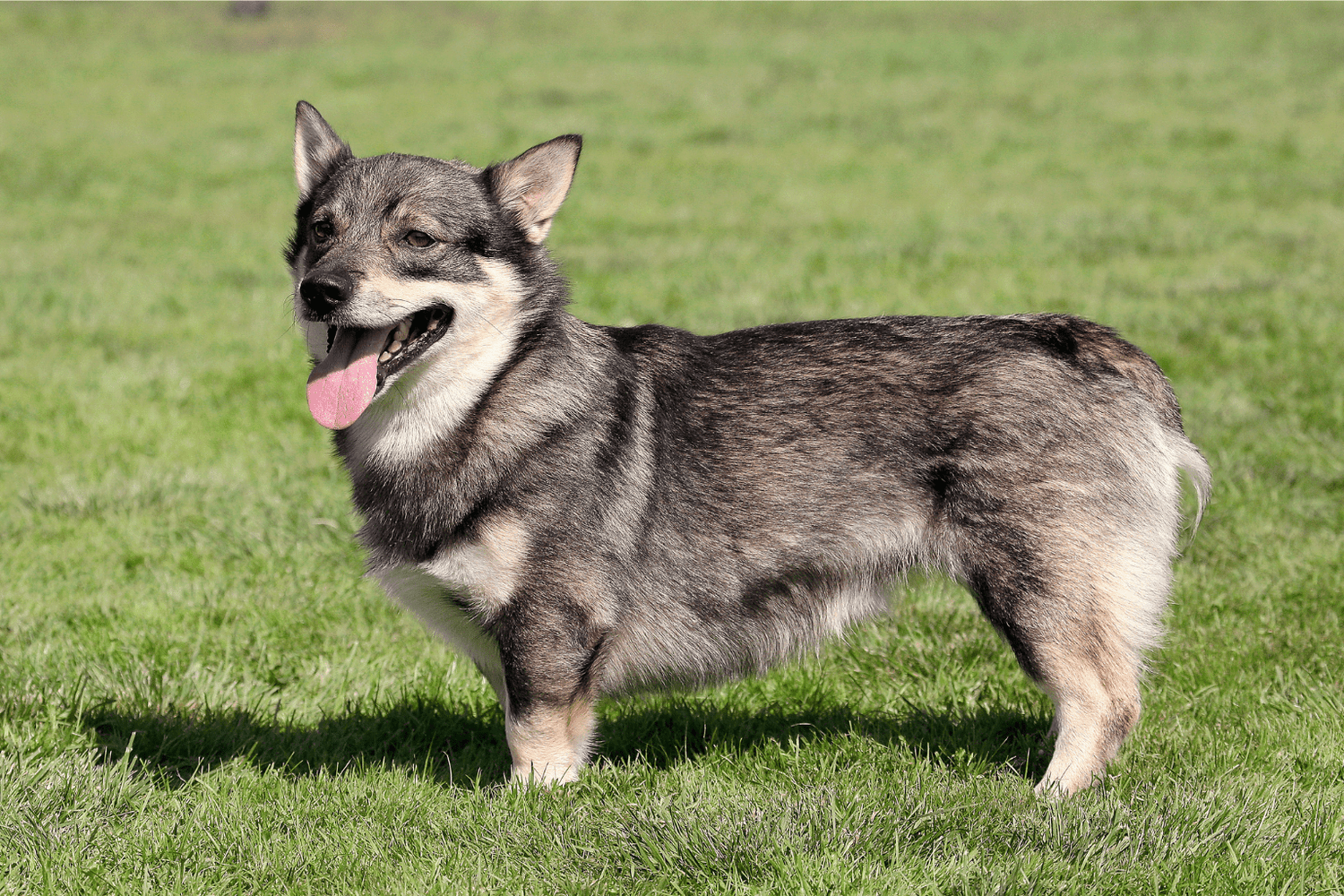
Vallhunds sport a dense double coat with medium-length outer hair and soft undercoat. Colors range from gray-brown to reddish sable with darker guard hairs creating depth and richness. The chest, neck, and rear legs feature slightly longer furnishing hair, while white markings on chest, feet, and face are acceptable but should remain limited.
| Feature | Head | Neck/Chest | Body | Legs/Tail |
|---|---|---|---|---|
| Coat Length | Short, close-lying | Longer ruff, dense | Medium length | Feathering on rear legs |
| Seasonal Changes | Minimal shedding | Heavy spring/fall shed | Moderate year-round | Light seasonal variation |
| Grooming Needs | Weekly brush | 3-4x weekly in shed season | Weekly maintenance | Check for mats weekly |
Face, Ears, Tail, and Overall Expression
The vallhund dog displays a wedge-shaped head with dark, oval eyes that convey intelligence and alertness. Their triangular, erect ears sit high and respond quickly to sounds. Natural tail length varies dramatically, some dogs are born with full tails, others with natural bobs or stubs, reflecting the breed's working heritage where tail docking was historically practiced.
To distinguish a Vallhund from a Corgi, look for the more pointed ear set, narrower head shape, and distinctive sable coat patterns with darker guard hairs. Vallhunds also tend to carry themselves with a slightly more upright, confident posture.
Swedish Vallhund Temperament: Lively, Loyal, And Sometimes Loud
Core Personality Traits You'll Live With Daily
Expect a confident, people-focused companion who approaches each day with enthusiasm and purpose. Your vallhund will likely greet you at the door, follow you between rooms, and maintain awareness of household activities with the intensity of a professional security guard. Their bold nature makes them excellent watchdogs who alert quickly to unusual sounds or visitors.
For more information about the breed's temperament and history, visit the AKC's Swedish Vallhund breed page.
Working from Home with a Vallhund: Plan for vocal commentary during video calls, a furry supervisor who monitors deliveries, and a dog who expects involvement in your daily routine rather than sleeping quietly in the corner.
Vallhunds with Kids, Guests, and Other Pets
Well-socialized Vallhunds typically enjoy children who understand basic dog respect, no tail pulling or food stealing. However, their herding instincts may manifest as heel-nipping or circling behavior during active play. They often integrate well with other dogs and cats when introduced gradually, though their confident personality can overwhelm more timid pets.
Essential safety rules include supervised interactions with children under 8, teaching kids to avoid chase games that trigger herding responses, and structured introductions when bringing new pets home.
Barking, Herding, and Other "Little Viking" Habits
Vallhunds bark to alert, express excitement, and sometimes from boredom, expect 10-20 vocal episodes daily without training intervention. Common herding behaviors include chasing bicycles, attempting to gather running children, and nipping at pants or ankles during movement.
Channel these instincts constructively with daily "find the treat" scavenger hunts, five-minute impulse-control sessions before walks (sit-stay-release patterns), and simple hallway or yard games where they can "gather" scattered toys into a designated spot.
Daily Life With A Vallhund Dog: Exercise, Mental Games, And Home Setup

How Much Exercise a Swedish Vallhund Really Needs
Puppies under 6 months need 15-30 minutes of active play broken into 5-10 minute sessions to protect developing joints. Adult vallhund dogs require 60-90 minutes daily combining walks, off-leash play, and training activities. Senior dogs benefit from 30-45 minutes split across shorter, more frequent outings that maintain fitness without joint strain.
Under-exercise warning signs include increased barking frequency, repetitive pacing, destructive chewing, and difficulty settling for evening relaxation.
For dogs that become anxious or overly excitable when their exercise needs aren't met, see these tips on how to calm down a stressed dog.
Mental Stimulation Ideas for a Smart Herder
Combat boredom with rotating puzzle toys, scent games using treats hidden around the house, and brief training bursts focusing on new tricks or commands. A practical weekday schedule might include 10 minutes of training before work, a midday puzzle toy session, and 15-20 minutes of evening enrichment activities.
Mental stimulation often prevents anxiety-driven behaviors and destructive outlets, making it equally important as physical exercise for this intelligent breed.
For older vallhunds or those with joint discomfort, adding Walk-Easy® Hip & Joint Relief can help support mobility and keep them engaged in daily activities.
Can a Vallhund Dog Live Happily in an Apartment?
Apartment living succeeds with committed daily outdoor time, proactive sound management, and creative indoor exercise solutions. Essential adaptations include teaching elevator manners, using window film to reduce visual triggers, and establishing hallway sniff walks or stair climbing routines where building policies allow.
Neighbor-friendly strategies include rewarding quiet behavior immediately, using white noise machines during peak barking times, and maintaining consistent daily routines that prevent pent-up energy from building throughout the day.
Common Swedish Vallhund Problems And Gentle Solutions
Barking, Boredom, and "Velcro Dog" Habits
Distinguishing boredom barking from anxiety requires observing timing and body language. Boredom barking typically happens during predictable "dead zones", after meals, when you're on calls, or during afternoon lulls. Your vallhund dog will bark with breaks, often while pacing or looking directly at you. Anxiety barking tends to be more continuous, accompanied by panting, drooling, or destructive behavior.
Three daily habits can dramatically reduce nuisance barking. First, provide a 10-minute mental workout before known trigger times, puzzle toys or basic training sessions tire their brains. Second, teach "quiet" by marking and rewarding the exact moment they stop barking, even for two seconds. Third, give them a specific window job: lying on a designated mat with a safe chew toy while watching the neighborhood.
For vallhunds struggling with transition anxiety or overstimulation, Pet Relax Dog Calming Anxiety Relief may help them stay more relaxed while you establish new routines. These natural remedies work alongside training, never replacing the need for consistent boundaries.
Chewing, Digging, and Other Mischief
High-energy herders like the vallhund dog channel stress, boredom, and natural instincts through their mouths and paws. Rather than fighting these behaviors entirely, redirect them strategically. Create a "legal dig zone" using a sandbox or designated garden corner, and rotate chew toys every two to three days to maintain novelty.
Strategic confinement prevents rehearsal of unwanted behaviors. Use crates or exercise pens for one to two hour rest periods, especially during your busy times when supervision drops. This isn't punishment, it's giving them a chance to decompress and you a chance to reset.
When vallhunds chew inappropriate items and develop mild digestive upset, natural support for stomach comfort can ease the transition back to normal eating. Always rule out serious blockages with your veterinarian first, then consider gentle homeopathic digestive aids as part of recovery.
Some vallhunds may also experience joint discomfort from their active lifestyle. For ongoing support, consider Walk-Easy® Hip & Joint Relief as part of their routine.
Weight Gain, Slower Movement, and Aging Gracefully
Extra pounds strain a vallhund's long back significantly more than you might expect. Check weight every two to four weeks using a home scale, and reduce daily food by approximately 10% for two to three weeks if needed, then reassess progress with your hands-on body condition scoring.
Senior vallhunds benefit from environmental modifications that preserve dignity while protecting joints. Install non-slip rugs on smooth floors, provide ramps for cars and furniture, and shift to more frequent but shorter walks. A 12-year-old vallhund often thrives on three 15-minute outings rather than one 45-minute marathon.
Joint-comfort and vitality-support homeopathic remedies integrate seamlessly into broader senior wellness plans. Walk-Easy® Hip & Joint Relief may help support comfortable movement and overall energy when used alongside appropriate veterinary care and lifestyle adjustments.
For more on joint health and mobility, see this detailed guide on what is luxating patella in dogs.
Eye, Skin, or Urinary Changes
Early detection starts with daily observation during routine interactions. Watch for squinting, cloudiness, or frequent blinking during morning greetings. Notice increased skin licking during grooming sessions, or multiple short bathroom trips replacing normal patterns.
Document changes in a simple 7-14 day diary noting time of day, intensity on a 1-10 scale, and preceding activities. This information proves invaluable during veterinary consultations and helps identify patterns you might otherwise miss.
Natural remedies can sometimes support normal urinary and skin comfort under veterinary guidance, but they work with professional care, never instead of it. Homeopathic formulas designed for urinary comfort or skin irritation offer gentle support during treatment protocols your veterinarian recommends.
For more information on eye health and common issues, visit this resource on dog red eyes.
Swedish Vallhund vs Similar Breeds: Is This The Right Herding Partner For You?
Vallhund vs Pembroke Welsh Corgi vs Cardigan Welsh Corgi
| Breed | Size/Weight | Barking Level | Exercise Needs | Health Tendencies |
|---|---|---|---|---|
| Swedish Vallhund | 20-35 lbs, 12-16 inches | High (alert-focused) | 60-90 min daily | Generally sturdy, eye/joint monitoring |
| Pembroke Corgi | 22-30 lbs, 10-12 inches | Moderate to high | 45-60 min daily | Back issues, weight management critical |
| Cardigan Corgi | 25-38 lbs, 10-13 inches | Moderate | 45-75 min daily | Hip concerns, generally robust |
Vallhund enthusiasts typically prefer their breed's athletic build and intense people-focus over the rounder, more independent Corgi temperament. Pembroke Corgi families often choose them for slightly lower exercise needs and a calmer household presence.
For a comprehensive overview of the breed's history and characteristics, see the Wikipedia article on Swedish Vallhunds.
Not a substitute for professional veterinary advice.
Frequently Asked Questions
What are the exercise and mental stimulation needs of a Swedish Vallhund to keep them healthy and happy?
Swedish Vallhunds need 60-90 minutes of daily exercise combined with mental challenges to stay balanced and content. Activities like walks, playtime, and puzzle games help channel their high energy and sharp minds, keeping them healthy and happy.
How does the Swedish Vallhund's herding background influence their temperament and behavior in a family setting?
Their herding roots give Vallhunds a confident, vocal, and sometimes bold personality, making them loyal and alert family members. They often show natural protectiveness and a strong bond with their people, but their herding instincts mean they may try to herd children or other pets, requiring patient training.
What common health issues should Vallhund owners be aware of, and how can they support their dog's joint health?
Vallhunds can be prone to joint concerns like hip dysplasia due to their active lifestyle and build. Supporting their joint comfort with natural remedies like Walk-Easy® Hip & Joint Relief may help maintain mobility and ease discomfort as they age. Regular vet check-ups remain important.
How does a purebred Swedish Vallhund differ from a generic small herding mix in terms of personality and trainability?
Purebred Vallhunds offer more predictable traits such as unwavering loyalty, natural confidence with strangers, and focused attention on their family. This makes training more straightforward compared to mixed herding dogs, whose personalities and behaviors can vary widely.