
Key Takeaways
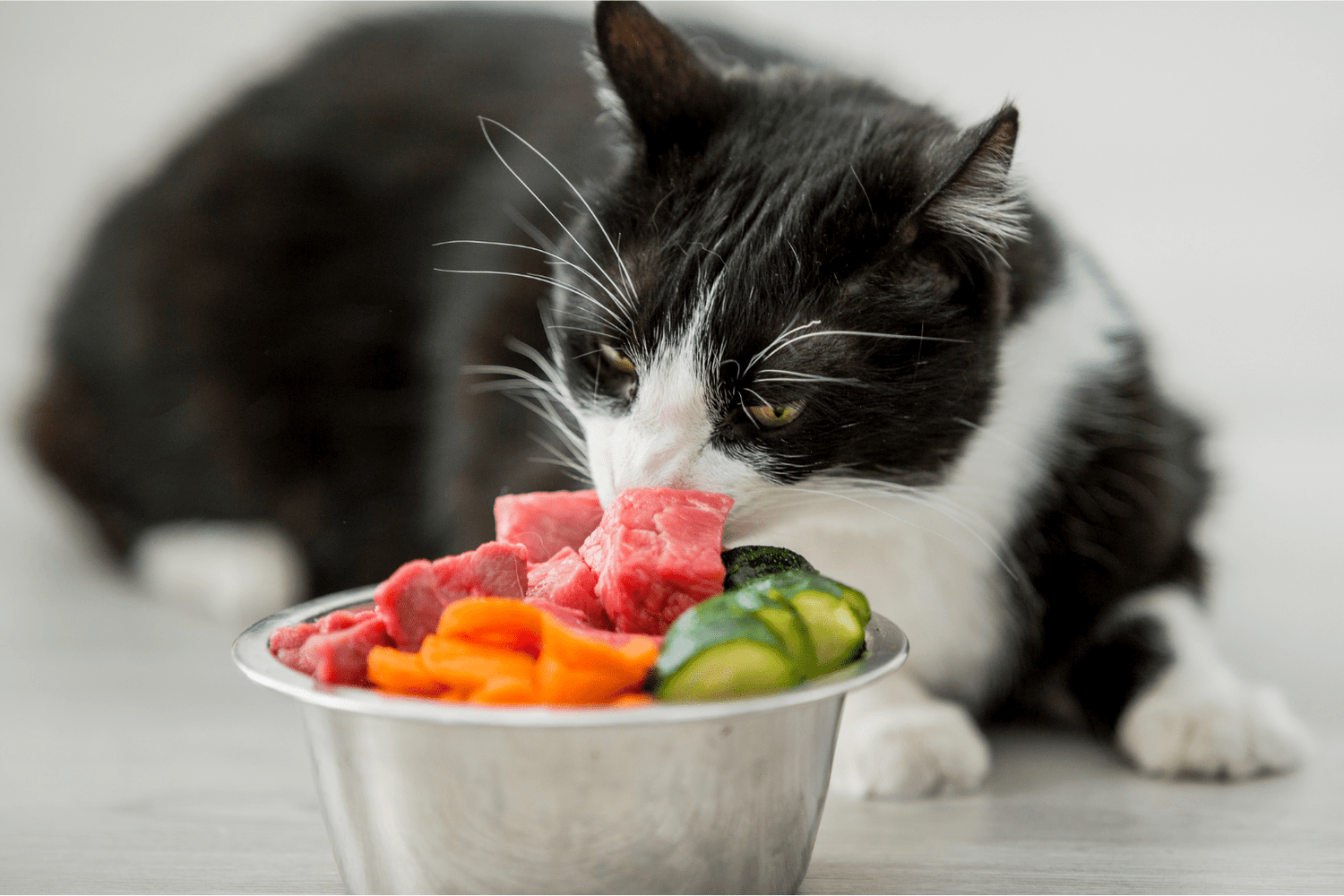
- A cat raw food diet consists of uncooked, minimally processed ingredients that mimic a cat's natural prey.
- Cats are obligate carnivores and need animal tissues to meet their nutritional requirements.
- Their bodies are adapted to extract nutrients from prey rather than plants or processed kibble.
Table of Contents
- What Is a Cat Raw Food Diet?
- Why Feed Your Cat a Raw Food Diet? Pros Backed by Pet Parents
- Types of Raw Cat Food Diets: Find Your Cat's Best Fit
- Raw vs Other Diets: Kibble, Canned & More
- How to Start a Raw Food Diet for Your Cat: Step-by-Step
- Transitioning Your Cat to Raw: Gentle 10-Day Plan
- 10-Day Transition Schedule
- Safety, Storage & Handling: Keep Risks Low
- Troubleshooting Raw Diet Challenges: Real Solutions
- Making Raw Feeding Sustainable: Costs and Essential Tools
What Is a Cat Raw Food Diet?
A cat raw food diet feeds your feline uncooked, minimally processed ingredients that mirror what cats would hunt in the wild. As obligate carnivores, cats require animal tissues to thrive, their bodies are designed to extract nutrients from prey, not plants or processed kibble.
Raw diets provide 70-80% moisture content compared to kibble's measly 10%, supporting kidney health and hydration naturally. The core components include:
For cats with kidney concerns, you may also want to review foods for cats with kidney problems to ensure your raw diet supports optimal organ function.
- Muscle meat (60-80%): Chicken, beef, rabbit for protein and taurine
- Organs (10-15%): Liver, heart, kidney for vitamins A, D, and B-complex
- Edible bones (10-15%): Raw chicken necks or ground bone for calcium balance
- Minimal supplements: Only if homemade recipes lack specific nutrients
Start simple: Thaw chicken quarters in the fridge for 24 hours, then offer 3 ounces daily per 5-pound cat. Weigh portions weekly to maintain the 80/10/10 ratio as your foundation.
If your cat struggles with allergies or sensitivities during the transition, consider supporting their immune system with a Cat Allergy Relief & Immune Support for a smoother adjustment to raw feeding.
For cats prone to constipation or hairballs, a Cat Laxative Constipation Relief can help maintain regular digestion as you introduce new proteins and textures.
Why Feed Your Cat a Raw Food Diet? Pros Backed by Pet Parents

Raw feeding aligns with feline biology in ways commercial kibble simply can't match. Cats need specific nutrients like taurine and arachidonic acid found naturally in animal tissues, plus vitamins A and D that processing destroys through high-heat extrusion.
Pet parents consistently report these improvements within 4-6 weeks:
Raw Diet Benefits
- Shinier coats from balanced omega fatty acids
- Cleaner teeth as bones naturally scrape tartar
- Steady energy without carbohydrate crashes
- Better hydration preventing urinary tract issues
- Smaller, firmer stools with less odor
Honest Challenges
- Higher daily cost ($3-5 vs $1 for kibble)
- Prep time for safe handling and storage
- Learning curve for nutritional balance
"Our rescue tabby Luna went from flaky, dull fur to a silky coat in just four weeks on raw," shares community member Sarah. "She has more energy for zoomies than we've ever seen!"
Support your cat's transition with BestLife4Pets digestive wellness pellets, gentle, easy-to-hide support that helps picky eaters adjust to their natural diet without digestive upset.
Types of Raw Cat Food Diets: Find Your Cat's Best Fit
Choose your raw approach based on lifestyle, budget, and your cat's specific needs. Each format offers distinct advantages for different households.
Homemade Raw
Best for: Budget-conscious pet parents who want complete control over ingredients. Requires careful balancing, never exceed 10% liver to avoid vitamin A toxicity.
Commercial Frozen
Best for: Convenience seekers who want nutritional balance guaranteed. Feed 2-3% of body weight daily, thaw safely in refrigerator overnight.
Freeze-Dried Raw
Best for: Travel or mess-free feeding. Rehydrate with warm water at 1:2 ratio, one cup food to two cups water.
| Format | Cost per Month | Prep Time | Balance Risk | Shelf Life |
|---|---|---|---|---|
| Homemade | $40-60 | 30 mins | High | 3 days |
| Frozen Commercial | $80-120 | 5 mins | Low | 6 months |
| Freeze-Dried | $100-150 | 2 mins | Low | 2 years |
Life-stage adjustments: Kittens need 6-10% of body weight with extra bone content for growth. Senior cats benefit from softer grinds and joint-support pellets from Cat Hip and Joint Pain Relief for comfortable mobility.
Raw vs Other Diets: Kibble, Canned & More
Understanding how a cat raw food diet stacks up against conventional options helps you make the best choice for your feline's health and your lifestyle. Each feeding approach offers distinct advantages and trade-offs worth considering.
| Diet Type | Moisture Content | Protein Quality | Obesity Risk | Monthly Cost | Prep Time |
|---|---|---|---|---|---|
| Raw Food | 70-80% | Highest (whole prey) | Low | $60-120 | 15-30 mins |
| Canned/Wet | 75-85% | Good (some fillers) | Medium | $40-80 | 2 mins |
| Dry Kibble | 8-12% | Variable (plant proteins) | High | $20-40 | 1 min |
| Cooked Homemade | 60-70% | Good (heat damaged) | Low-Medium | $50-90 | 45 mins |
Why raw excels for obligate carnivores: Heat processing destroys essential enzymes and reduces taurine bioavailability by up to 50%. Raw feeding preserves these nutrients in their natural form, supporting optimal feline wellness.
Canned food matches raw's moisture benefits but often includes unnecessary carbohydrates and preservatives. Kibble offers convenience but chronically dehydrates cats, potentially contributing to kidney disease over time.
For more insights on choosing between wet and dry options, see what is the best wet cat food for a detailed comparison.
Hybrid approach: Many pet parents successfully combine 80% raw with 20% high-quality canned food during transitions. Support any dietary change with BestLife4Pets digestive balance pellets for smooth adjustments and optimal nutrient absorption.
How to Start a Raw Food Diet for Your Cat: Step-by-Step

Beginning a cat raw food diet requires careful planning but rewards you with a healthier, more energetic feline. Follow these proven steps for success.
Your 5-Step Launch Plan
Step 1: Calculate Proper Portions
Active adult cats need 3-4% of body weight, while seniors require 2-3%. Divide daily portions into 2-3 meals. Monitor weekly using body condition scoring, you should feel ribs easily but not see them prominently.
Step 2: Source Quality Ingredients
Purchase human-grade meat from trusted suppliers. Freeze new proteins for 2-3 weeks to eliminate potential parasites, then thaw completely in refrigerator for 24 hours before serving.
Step 3: Prep and Serve Safely
Serve at room temperature for best acceptance. Use dedicated cutting boards and utensils. Remove uneaten portions after 30 minutes to prevent spoilage.
Step 4: Monitor Digestive Response
Healthy raw-fed cats produce smaller, firmer stools with minimal odor. Loose stools indicate too-rapid transition, slow down and consider BestLife4Pets gut support pellets to ease the adjustment period.
Step 5: Establish Routine
Feed at consistent times, rotate proteins weekly, and maintain the 80/10/10 meat/organ/bone ratio. Multi-cat households should feed separately to prevent resource guarding.
Transitioning Your Cat to Raw: Gentle 10-Day Plan
Gradual transition prevents digestive upset while allowing your cat's enzyme production to adapt naturally. Rushing this process often leads to vomiting or diarrhea that discourages continued raw feeding.
10-Day Transition Schedule
| Days | Raw Percentage | Current Food | Key Focus |
|---|---|---|---|
| 1-3 | 25% | 75% | Introduce texture, warm to 70°F |
| 4-6 | 50% | 50% | Add bone content gradually |
| 7-9 | 75% | 25% | Monitor stool consistency |
| 10+ | 100% | 0% | Full raw feeding established |
Picky eater strategies: Puree the first few raw meals to familiar consistency, then gradually increase chunk size. Some cats accept raw better when shaped into kibble-like pieces or mixed with a small amount of their favorite treat.
Multi-cat households require separate feeding stations to prevent food guarding during transition. Feed the most food-motivated cat first to reduce anxiety in hesitant eaters.
Support this natural shift with BestLife4Pets digestive transition pellets, our community favorite for rescue situations where multiple cats need gentle dietary changes simultaneously.
Safety, Storage & Handling: Keep Risks Low

Proper food safety practices make raw feeding cats as safe as handling any fresh meat for human consumption. Understanding pathogen risks helps you feed confidently.
Understanding pathogen risks is important for anyone considering a raw diet for their cat, as outlined by veterinary authorities.
Pathogen prevention: Salmonella and E.coli risks remain low (1-2%) when sourcing quality ingredients and following basic hygiene. Cats' acidic stomach environment (pH 1-2) naturally destroys most harmful bacteria.
Bone safety: Grind bones to pea-sized pieces for kittens and senior cats. Never cook bones, which become brittle and dangerous. Raw bones remain soft and digestible.
Vulnerable households with young children, elderly family members, or immunocompromised individuals should consider commercially tested frozen raw options rather than homemade preparations.
Boost your cat's natural immunity during dietary transitions with BestLife4Pets wellness support pellets, gentle, effective protection that gives pet parents peace of mind during raw feeding.
Troubleshooting Raw Diet Challenges: Real Solutions
Most cat raw diet hiccups resolve quickly with targeted adjustments. Recognizing normal adaptation versus concerning symptoms helps you respond appropriately.
Food refusal: Temperature and texture drive acceptance. Warm refrigerated raw to 70°F and start with ground consistency before introducing chunks. Hand-feeding tiny amounts (1 teaspoon) builds positive associations.
Digestive upset: Loose stools indicate transition pace exceeded digestive adaptation. Pause increases, return to previous ratio, and advance more slowly. Firm, smaller stools signal successful adjustment.
Constipation: Usually results from excessive bone content. Reduce to 8% bone ratio and offer boneless meals every third day. Ensure adequate hydration through high-moisture organs like kidney.
For more tips on what to do if your cat refuses certain foods, see cat wont eat wet food for practical advice.
Vomiting or weight loss: Stop raw feeding immediately and consult your veterinarian. These symptoms may indicate underlying health issues requiring professional evaluation rather than dietary problems.
Support challenging transitions with Cat Laxative & Constipation Relief, trusted by pet parents managing sensitive cats through dietary changes. Our gentle formulation helps stabilize digestion during adjustment periods.
Making Raw Feeding Sustainable: Costs and Essential Tools
Smart planning makes feeding cats raw food financially manageable while ensuring nutritional success. Initial investment in proper tools pays dividends in convenience and safety.
Monthly costs: Homemade raw averages $60-90 for a 10-pound cat, while commercial frozen options range $80-120. Bulk purchasing and seasonal sales significantly reduce expenses.
Essential equipment: Digital kitchen scale ($15), dedicated cutting board ($10), freezer-safe storage containers ($20), and meat grinder for occasional use ($40-80). These tools last years with proper care.
Money-saving strategies: Partner with other raw feeders for bulk orders, source directly from local farms, and utilize whole chickens rather than pre-cut portions.
For more information on feline nutrition and feeding, visit Cornell Feline Health Center's feeding your cat resource.
Begin your cat raw food diet journey with confidence using Cat Dental Care & Bad Breath Remedy. Our community of dedicated pet parents, from Wellness Wendy to Rescue Rachel, relies on these gentle pellets to optimize nutrition and support healthy transitions.
Questions about raw feeding? Connect with our community
Not a substitute for professional veterinary advice.
Frequently Asked Questions
What are the main components of a balanced raw food diet for cats?
A balanced raw food diet for cats includes muscle meat, organs, and edible bones in proportions that mimic natural prey. Typically, muscle meat makes up 60-80%, organs 10-15%, and bones 10-15%, with minimal supplements added only if homemade recipes lack specific nutrients.
How can I safely transition my cat from kibble to a raw food diet?
Transition your cat gradually over about 10 days by slowly mixing increasing amounts of raw food with their current diet. This gentle approach helps your cat adjust to new textures and flavors while minimizing digestive upset.
What are the benefits of feeding my cat a raw food diet compared to commercial kibble?
Raw diets provide higher moisture content, supporting hydration and kidney health naturally. They align closely with a cat’s biological needs by offering nutrients from animal tissues, which processed kibble often lacks, promoting better digestion and dental health.
How do I manage potential challenges like allergies or digestive issues during the raw diet transition?
If allergies or sensitivities arise, supporting your cat’s immune system with targeted supplements can ease the adjustment. For digestive issues like constipation or hairballs, gentle remedies designed to maintain regular digestion can help your cat thrive on their new diet.


