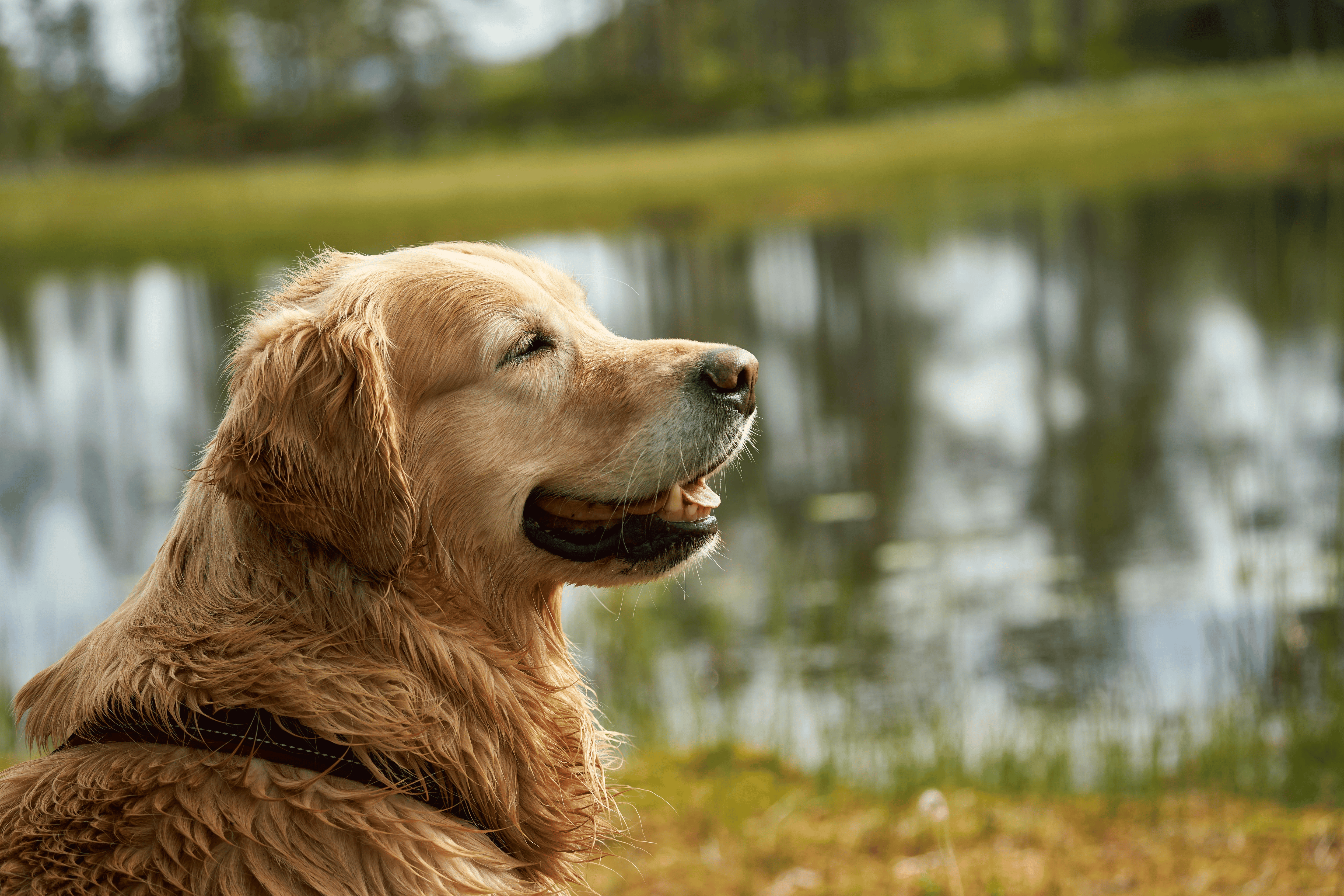
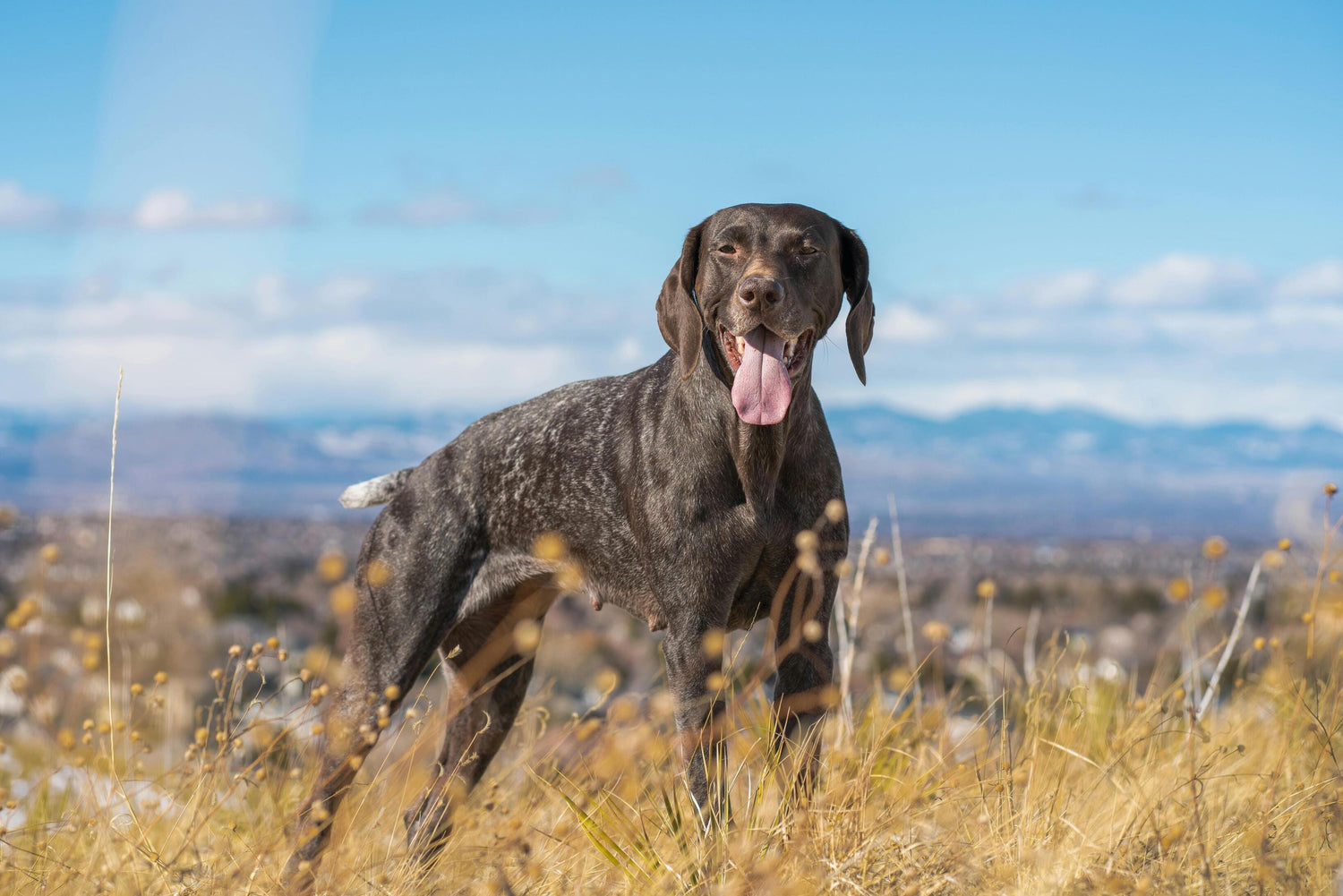
Has your dog ever hesitated before walking or playing? Maybe you've noticed they are standing up slower when you call. Maybe one of their legs is not as steady as it used to be. The spark in their eyes is still there, but their steps have softened. As your dog ages, it starts to ask for a little extra care.
Hip dysplasia and joint discomfort are common as dogs grow older, especially in breeds that carry extra weight or have a genetic predisposition. Issues can also develop from noticeable accidents or even repetitive strain from simple movement during play. These changes don’t mean your companion’s best days are behind them. They simply call for some support that keeps them moving comfortably and feeling loved. This enduring love, with a mix of quality treatment, is an important part of maintaining comfort and reassurance for both you and your dog.
Table of Contents
- 1. What Is Hip Dysplasia, and How Is It Caused?
- 2. Signs Your Dog May Have Joint Pain
- 3. How to Help Your Dog Move With Ease
- 4. Caring For Hip Dysplasia & Long-Term Relief
- 5. When to Visit Your Veterinarian
- Conclusion: Keeping Life Joyful
1. What Is Hip Dysplasia, and How Is It Caused?
A dog’s hips are the foundation of their movement. Over time, or as a result of growing, the cartilage in these joints can wear down, leading to soreness or restricted motion. This gap between the bones allows for to much movement, causing pain and weakness in a dog's hind legs.
Common causes of hip problems in dogs include:
● Hip dysplasia, as a genetic disease inherited.
● Natural arthritis that comes with age.
● Ligament injury from jumping or sudden twists.
● Muscle loss due to inactivity.
● Joint wear as a result of excessive weight gain/obesity.
Some breeds, like Labradors, German Shepherds, and Golden Retrievers, face a higher risk due to their larger size, but any older dog can experience hip dysplasia.
If your dog has begun to move differently, it’s not a loss of energy or love. It’s simply a sign their joints need attention.
When caught early, small changes in care and consistent natural support can bring real relief.
2. Signs Your Dog May Have Joint Pain
Discomfort doesn’t always appear suddenly. Most pet parents notice little shifts over time, things that are easy to miss at first.

You might see your dog:
● Hesitate before climbing stairs or jumping on the couch
● Walk with a stiff back leg
● Struggle to stand after resting
● Avoid longer walks
● Sit unevenly, with legs stretched out
Each of these signs hints that your dog’s hips could use support.
This is the moment to make small changes that protect their comfort in the long term. A gentle, natural remedy like our Walk Easy Advanced Formula can ensure that your older dog is walking, steadily, confidently, and pain free. A few thoughtful steps today can mean easier walks and brighter mornings tomorrow.
3. How to Help Your Dog Move With Ease
You don’t need drastic changes to make life easier for a dog dealing with joint stiffness or canine hip dysplasia. Gentle consistency works best.
Create a Comfortable Space
Give your dog a bed that cushions their joints and keeps them off cold floors. Avoid high furniture they have to leap onto, and place rugs on slick surfaces so they feel secure when walking.
A calm, cozy space helps them rest, which is as essential for healing as any medicine.
Tip: Keep their favorite blanket close. Familiar comfort can ease stress, which in turn helps their body relax.
Encourage Soft, Steady Movement
Daily movement keeps joints flexible. Take slow walks, let them sniff, and follow their pace. Swimming, when available, is excellent because it strengthens muscles without pressure on the hips.
Avoid sudden bursts of activity or rough play. A slower rhythm helps prevent strain on fragile joints.
Support Their Hips Naturally
Aging joints benefit from inside-out care. The BestLife4Pets Hip and Joint Treatment for Dogs is a gentle, homeopathic formula that supports joint flexibility, eases stiffness, and promotes natural comfort.
It’s ideal for treating hip dysplasia in dogs, arthritis, or general canine hip problems. Made without harmful additives, it’s safe for long-term use and easy to give, even to picky eaters.
If your dog has begun to slow down or shows signs of stiffness, starting this supplement early can make a noticeable difference. It’s a simple way to add comfort to their routine without stress or side effects.

Check price and purchase on Amazon
Shop Natural Hip & Joint Supplements →
Keep Their Weight Balanced
Extra pounds add stress to sore joints. If your dog has gained weight, speak to your vet about safe diet adjustments. Even small reductions can ease pressure on the hips.
Pair balanced meals with regular, moderate activity to maintain healthy strength and mobility.
Warmth, Massage, and Care
A gentle touch goes a long way. Soft massages around the hips and lower back increase blood flow and ease tension. A warm compress on chilly days can bring visible relief.
Most importantly, stay patient. Your calm energy reassures your dog more than words ever could.

4. Caring For Hip Dysplasia & Long-Term Relief
Hip Dysplasia is one of the most common causes of hip problems in dogs. It develops gradually as cartilage wears down, leading to pain and inflammation.
Conventional dog arthritis treatment can help, but ongoing use of strong medication can sometimes cause other issues. Natural alternatives like canine arthritis relief formulas work gently, promoting comfort without strain on the liver or kidneys.
BestLife4Pets’ blend was designed with this balance in mind: relief that’s effective yet safe enough for everyday use. When your dog feels better naturally, they move more freely, and every step becomes a small victory.
5. When to Visit Your Veterinarian
If your dog limps severely, avoids walking, or shows signs of pain when touched, check with your vet. They can confirm if the cause is arthritis, canine hip injury, or another joint condition.
Even after a diagnosis, your daily care is what makes the difference. But just because your companion isn't moving like they used to, doesn't mean they are in pain or are unhappy. Supplements, warmth, gentle activity, and love work together to keep your companion comfortable.
Conclusion: Keeping Your Dog Mobile & Happy
Caring for a senior dog with hip dysplasia is about helping them stay connected to what they love: morning walks, quiet time by your side, or simply watching the world from a sunny spot. With the right combination of small changes, steady affection, and natural support, you can keep those moments alive.
For a holistic, healthy approach, consider the BestLife4Pets Dog Hip & Joint easy to use remedy. Its powerful, natural formula ensures your furry friend stays happy, healthy, and pain-free—giving you peace of mind.
If you’re ready to help your dog feel more at ease, explore the BestLife4Pets Hip & Joint Treatment today. It’s a safe, natural way to bring back comfort, one gentle step at a time.

Check price and purchase on Amazon