
Key Takeaways
- Coconut oil is a popular supplement for dogs but its effects can vary widely.
- Some dog owners report benefits like relief from itchy paws, while veterinarians may remain neutral.
- Online sources often highlight dramatic improvements, but these may not apply to every dog.
- Dogs with sensitive stomachs may experience adverse reactions to coconut oil.
- Understanding when coconut oil helps versus when it harms is essential for responsible use.
Table of Contents
- Why Pet Parents Are Asking About Dogs and Coconut Oil
- What Coconut Oil Actually Is (And Why It Matters for Dogs)
- Potential Benefits of Coconut Oil for Dogs (When Used Thoughtfully)
- Risks and Side Effects of Coconut Oil for Dogs (What Most Blogs Gloss Over)
- How Much Coconut Oil to Give a Dog (By Size, With Real Numbers)
- How to Use Coconut Oil on a Dog's Skin, Paws, and Coat
- Coconut Oil vs Other Natural Oils for Dogs (When to Choose What)
Dogs and Coconut Oil: When It Helps vs. Hurts
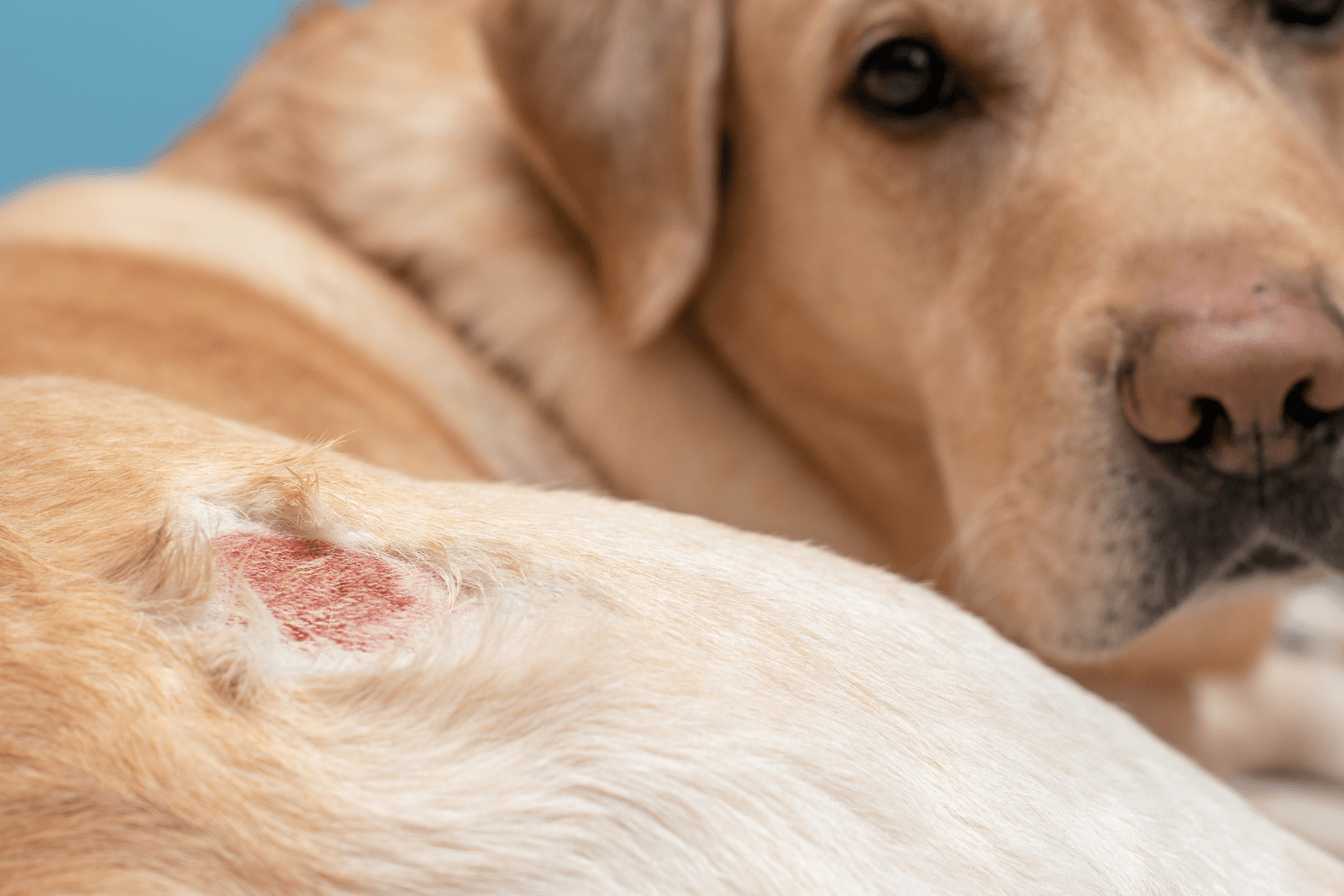
Your neighbor swears by coconut oil for her golden retriever's itchy paws. Your vet seems neutral. Pinterest shows miracle transformations, but your dog's sensitive stomach has you second-guessing. The truth about dogs and coconut oil isn't black and white, it's about knowing when this trendy supplement helps versus when it creates more problems than it solves.
After watching countless pet parents navigate coconut oil successes and disasters, the reality is that this isn't a simple "good or bad" question. Some dogs thrive with tiny amounts massaged into dry elbows. Others end up with greasy coats and upset stomachs from well-meaning parents who started with tablespoon doses.
For dogs who struggle with allergies or sensitive skin, you may want to explore our Dog Allergy Relief & Immune Support in addition to coconut oil, as a more comprehensive approach can provide better relief and comfort.
Why Pet Parents Are Asking About Dogs and Coconut Oil
Coconut Oil Craze: Does It Really Help Our Dogs or Just Hype?
Walk into any health food store and coconut oil promises to fix everything from brain fog to dry skin. Pet parents naturally wonder: if it works for humans, what about our four-legged family members? The reality is more nuanced than social media suggests.
Quick Reality Check:
- Can dogs have coconut oil? Sometimes, in small amounts, and not for every dog.
- Is it a cure-all? No; it may support comfort and skin health, but it's not magic.
- Safe for all dogs? Definitely not, some dogs should avoid it completely.
Think of coconut oil as one tool in your natural wellness toolkit, not a complete health plan. Just like you wouldn't rely solely on moisturizer for overall skin health, coconut oil works best as part of a broader approach to your dog's wellbeing.
The Two Main Ways People Use Coconut Oil for Dogs
In food: Pet parents add small amounts to support energy, digestion, and brain health. The medium-chain fats are easier to process than some other oils, making this appealing for active dogs or seniors who need extra support.
On skin and coat: Applied topically to soothe dryness, rough paw pads, or mild irritation. This external use lets you target specific problem areas without affecting your dog's digestion or adding calories.
A Quick Word on Natural Care and Homeopathic Support
Coconut oil represents just one natural option in a much larger wellness picture. At BestLife4Pets, we focus on gentle, whole-body support that addresses root causes rather than just surface symptoms. While coconut oil for dogs might help with immediate comfort, homeopathic remedies work with your dog's natural healing responses to create lasting change.
The most successful natural wellness plans combine targeted topical care (like coconut oil on dry spots) with internal support that helps the body maintain balance from within. For more holistic advice, you might find our article on dogs and facts helpful in understanding your pet's unique needs.
What Coconut Oil Actually Is (And Why It Matters for Dogs)

From Coconut to Jar: Types of Coconut Oil You'll See
Virgin/organic coconut oil comes from fresh coconut meat using minimal heat, preserving more natural compounds and that characteristic coconut scent. Refined coconut oil undergoes more processing, removing the smell and taste but also some beneficial components.
For pets, most parents choose organic, virgin, cold-pressed varieties to avoid unnecessary chemicals or processing residues. Your dog's sensitive system deserves the cleanest option available.
The "Medium-Chain" Fats Everyone Talks About (In Simple Terms)
Medium-chain triglycerides (MCTs) are fats that your dog's body can use more quickly than typical dietary fats. Think of them like kindling that catches fire faster than big logs, they convert to energy more readily instead of getting stored as body fat.
This matters for active dogs who burn through energy quickly and senior dogs whose bodies may benefit from easier-to-process fuel sources. However, "easier to process" doesn't mean "unlimited amounts are safe."
What Coconut Oil Can't Do (Important Reality Check)
Coconut oil doesn't replace balanced nutrition, essential fatty acids from fish oil, or veterinary care for serious conditions. It won't cure allergies, heal infections, or fix joint problems on its own.
Coconut Oil Reality:
- Great with a wellness plan: Supporting existing healthy routines
- Not a stand-alone fix: Chronic skin issues, digestive problems, or behavioral concerns need comprehensive approaches
Potential Benefits of Coconut Oil for Dogs (When Used Thoughtfully)
Internal Benefits: Energy, Digestion, and Brain Support
Small, appropriate amounts of coconut oil may support energy levels in active dogs and provide gentle digestive support for dogs who struggle with fat absorption. Senior dogs sometimes benefit from the brain-supporting properties of MCTs, though this requires careful monitoring.
With consistent, appropriate use, you might notice improved energy levels within 2-6 weeks. However, any internal use requires starting extremely small and monitoring closely for digestive upset.
Skin and Coat Comfort: Where Coconut Oil Really Shines for Many Dogs
Topical coconut oil application often produces the most reliable results. It may soothe mild dry or flaky skin, help protect rough paw pads from harsh weather, and support a softer, more manageable coat when used sparingly on targeted areas.
Many pet parents find success using a pea-sized amount on dry elbows or cracked paw pads once or twice weekly. The key is patience, improvements typically appear gradually over several weeks of consistent, light application.
Emotional Benefit: The Bonding Routine
The gentle massage involved in applying coconut oil creates calming moments that anxious dogs often crave. These 5-10 minute sessions of focused attention and slow, deliberate touch can reduce stress-related scratching and promote better rest.
Relaxed dogs scratch less and heal better, making the emotional component just as valuable as any physical benefits from the oil itself.
When Coconut Oil Pairs Well with Homeopathic Support
Coconut oil addresses surface-level comfort while homeopathic remedies support the body's deeper healing responses. This combination allows you to use less oil while achieving better overall results.
For example, using our Healthy Skin & Coat + Fur Regrowth internally while applying minimal coconut oil to specific dry patches often proves more effective than relying on either approach alone. If your dog is recovering from surgery or injury, you may also benefit from reading our hip and joint surgery after care tips for dogs and cats for additional support strategies.
Risks and Side Effects of Coconut Oil for Dogs (What Most Blogs Gloss Over)
Digestive Upsets: How Much Is Too Much?
Within 12-24 hours of excessive coconut oil consumption, dogs commonly develop loose stools, greasy bowel movements, or vomiting. High-fat additions can overwhelm digestive systems, especially in dogs unaccustomed to rich foods.
Never start with daily spoonfuls, regardless of what online calculators suggest. Even dogs who tolerate other fats may struggle with coconut oil's concentrated medium-chain triglycerides.
Weight Gain and Strain on the Body
Coconut oil contains approximately 120 calories per tablespoon. Even half a teaspoon added daily can contribute to weight gain in small or sedentary dogs over time.
Overweight dogs face increased joint stress, breathing difficulties, and reduced quality of life. If you add coconut oil to your dog's routine, reduce treats proportionally or limit use to occasional topical applications instead of daily supplementation.
Pancreas and Liver Concerns: Dogs Who Should Skip Coconut Oil
Dogs with previous pancreatitis, elevated lipid levels on blood tests, or veterinary-recommended low-fat diets should avoid coconut oil entirely. These conditions make processing additional dietary fats dangerous.
Red Flag Conditions:
- Prior pancreatitis episodes
- Elevated triglycerides or cholesterol on recent blood work
- Current prescription low-fat diet
- Active liver disease
Skin Reactions and Yeast Flare-ups
Some dogs develop increased redness, itching, or greasy skin texture after topical coconut oil use. Dogs with existing yeast overgrowth may worsen, as yeast thrives in warm, oily environments.
If your dog already struggles with recurring ear infections or paw yeast, adding external oils often backfires by creating more favorable conditions for problematic microorganisms. For more on related health issues, see our guide on spotting and solving eye infections in dogs.
Signs Coconut Oil Is Not Right for Your Dog
Watch for trouble signs within the first week: worsening itch, strong odors, diarrhea, vomiting, or unusual lethargy. Stop use immediately and monitor for 24-48 hours.
Call your veterinarian if symptoms persist or worsen after discontinuing coconut oil. Some reactions require professional intervention beyond simple cessation.
Not a substitute for professional veterinary advice.
How Much Coconut Oil to Give a Dog (By Size, With Real Numbers)

General Introduction Guidelines (Slow and Steady)
Start with one-quarter of typical recommended amounts for the first 3-5 days. Only increase if stools remain normal and energy levels stay consistent.
Always give coconut oil mixed into food, never on an empty stomach, to minimize digestive upset and nausea.
Sample Starting Amounts by Size
| Dog Size | Weight Range | Starting Amount | Max Daily Amount | Frequency |
|---|---|---|---|---|
| Toy | Up to 10 lbs | ⅛ teaspoon | ¼–½ teaspoon | Once daily with food |
| Small | 11–25 lbs | ¼ teaspoon | ½–1 teaspoon | Once daily with food |
| Medium | 26–50 lbs | ½ teaspoon | 1–2 teaspoons | Once daily with food |
| Large | 51–90 lbs | ½–1 teaspoon | 1–3 teaspoons | Once daily with food |
| Giant | 90+ lbs | 1 teaspoon | 1–4 teaspoons | Once daily with food |
These conservative guidelines require veterinary approval for dogs with health conditions. Individual tolerance varies significantly regardless of size.
How to Introduce Coconut Oil Into a Dog's Diet
Follow this gradual introduction protocol to minimize digestive upset:
Days 1-3: Mix the tiny starting amount into your dog's main meal. Monitor stool consistency and energy levels closely.
Days 4-7: If digestion remains normal, increase by another ⅛–¼ teaspoon depending on your dog's size category.
Weeks 2-4: Hold at this level for at least two weeks before deciding if coconut oil provides noticeable benefits.
Skip coconut oil on days when your dog experiences any digestive upset or major dietary changes.
When to Stop Increasing (or Cut Back)
Your dog has reached their tolerance limit when they develop softer stools for more than 48 hours, new gas or burping, or decreased appetite.
Return to the previously tolerated dose or eliminate internal use entirely, switching to topical application only. Many dogs benefit more from external coconut oil use without the digestive complications. For more on the science behind coconut oil and canine health, see this peer-reviewed study on coconut oil in dogs.
How to Use Coconut Oil on a Dog's Skin, Paws, and Coat
Best Times and Places to Use Coconut Oil on Skin
Target dry elbows, rough paw pads, and mild flaky patches where dogs and coconut oil combinations work best. Avoid open wounds, inflamed areas, or extensive body coverage without veterinary guidance.
Apply during calm evening hours when your dog can rest without immediately licking the treated areas.
Step-by-Step: Applying Coconut Oil to Paws and Rough Spots
Clean the target area with warm water and pat completely dry. Take a pea-sized amount on your fingertips for small areas like elbows or individual paw pads.
Massage gently for 1-2 minutes until a thin layer absorbs into the skin, leaving no dripping residue. Start with 1-2 applications per week and adjust based on your dog's response.
Follow application with 10-15 minutes of quiet bonding time or crate rest to minimize immediate licking.
Using Coconut Oil Through Bathing and Grooming
Add approximately ½ teaspoon for medium dogs rubbed between your palms, then smooth lightly over the coat before or after bathing. Avoid roots and sensitive facial areas.
Rinse thoroughly if the coat feels greasy after 5-10 minutes. Limit this approach to every 3-4 weeks for most dogs to prevent buildup.
Troubleshooting Greasy Coats and Over-Application
Clumpy fur, strong odors, or oil marks on furniture indicate excessive use. Wash immediately with gentle dog shampoo and warm water.
For future applications, cut the amount by half and focus on smaller, specific areas rather than whole-body coverage. For additional research on coconut oil's effects on canine skin, see this study on coconut oil and atopic dermatitis in dogs.
Coconut Oil vs Other Natural Oils for Dogs (When to Choose What)
What We're Comparing (and Why)
Pet parents often choose between coconut oil, fish oil, and olive oil based on their dog's primary needs. Each serves different purposes: skin support, joint health, energy, or heart function.
Frequently Asked Questions
What are the potential benefits of using coconut oil for my dog's skin and coat?
Coconut oil may help soothe dry, itchy skin and support a shiny, healthy coat when used thoughtfully. Some pet parents notice relief from paw irritation and improved softness, but results can vary depending on your dog's unique needs.
How can I determine if coconut oil is safe for my dog, especially if they have a sensitive stomach?
Start with a very small amount to see how your dog tolerates it, watching closely for any digestive upset like diarrhea or vomiting. If your dog has a sensitive stomach or allergies, consult your vet and consider combining coconut oil with other gentle, natural support for the best results.
What is the recommended amount of coconut oil to give a dog based on their size?
A common guideline is about 1/4 teaspoon per 10 pounds of body weight daily, but it’s best to start even smaller and adjust slowly. Always introduce coconut oil gradually to avoid digestive issues and observe how your dog responds.
How does coconut oil compare to other natural oils for dogs, and when should I choose one over the other?
Coconut oil is popular for skin and coat support but may not suit every dog, especially those with sensitive digestion. Other natural oils might offer different benefits or gentler effects, so choosing depends on your dog’s specific needs and tolerance, sometimes a blend or alternative remedy can provide better comfort.