
Key Takeaways
- Severe allergy seasons can cause dogs to scratch excessively and develop patchy coats.
- Owners can recognize their dog's discomfort through behavioral changes like whining at night.
- Natural and homeopathic remedies can provide gentle and effective relief for skin ailments.
- Supporting a dog's natural healing abilities can improve their overall well-being.
- Many pet families have benefited from holistic approaches to managing skin issues.
Table of Contents
- Why Your Dog's Skin Health Matters More Than You Think
- Spotting Trouble Before It Spreads, Key Warning Signs
- Understanding What's Really Causing Your Dog's Discomfort
- Allergies vs Infections: How to Tell the Difference
- Daily Detection and Gentle Care Routines
- Gentle, Natural Support for Lasting Skin Health
- Prevention Strategies for Lasting Skin Wellness
- Special Considerations for Different Dogs
- When to Seek Immediate Veterinary Care
- Real Results from Pet Parents Like You
Why Your Dog's Skin Health Matters More Than You Think
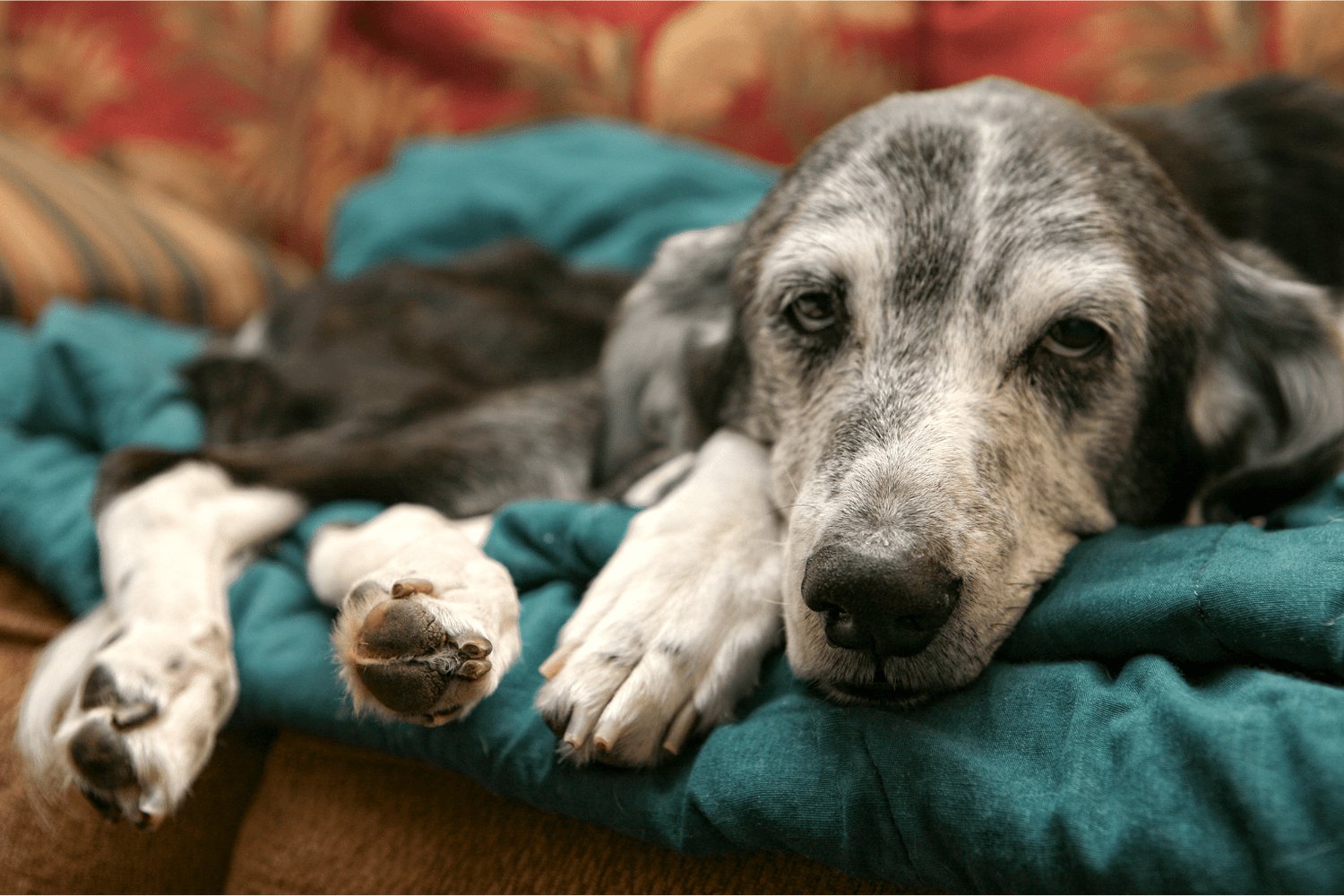
Last summer, I watched my Border Collie mix Tango scratch himself raw during a particularly brutal allergy season. His once-glossy coat became patchy, and those worried whimpers at 3 AM told me everything about his discomfort. That's when our homeopathic vet introduced me to gentle, natural support that changed everything, not just for Tango, but for thousands of pets whose families have discovered the power of working with their dog's natural healing abilities.
Your dog's skin isn't just a protective barrier, it's their largest organ, regulating temperature, fighting infections, and often signaling what's happening inside their body. With up to 20% of veterinary visits involving dog ailments skin related, catching problems early and supporting your pup's natural defenses can prevent minor irritations from becoming chronic struggles.
For ongoing issues, many pet parents turn to Dog Healthy Skin & Coat Remedy to help maintain a glossy coat and soothe irritated skin.
Spotting Trouble Before It Spreads, Key Warning Signs

Early detection stops acute issues from becoming chronic battles. When you catch skin problems in their first 48-72 hours, you can often provide relief before your dog's natural scratching response creates secondary infections or hot spots.
Watch for these core symptoms that signal your dog's skin barrier needs support:
- Intense itching: Scratching sessions longer than 5 minutes, excessive paw chewing, or rubbing against furniture
- Visible inflammation: Red, warm patches especially on the belly, groin, armpits, or between toes
- Coat changes: Patchy hair loss, dry flaky skin, unusual greasiness, or a musty odor
- Surface irritation: Small bumps, scabs, pustules, or areas that feel hot to touch
Here's your weekly skin check routine: Part your dog's fur in 5-6 spots, feel gently for heat or bumps, and snap a quick photo if you notice changes. Track patterns in your phone notes, does the itching worsen after walks? During certain seasons? This information becomes invaluable for identifying triggers and supporting your vet's diagnosis.
| Symptom | Urgency Level | First Home Step |
|---|---|---|
| Mild itching | Low | Cool compress, monitor 24 hours |
| Red hot spots | Medium | Prevent scratching, gentle cleaning |
| Open wounds/bleeding | High | Immediate vet contact |
Understanding What's Really Causing Your Dog's Discomfort
Most canine skin issues stem from overlapping causes, allergies weaken the skin barrier, making bacterial or yeast infections more likely, while parasites create wounds that become irritated through scratching.
The four main categories work like this:
Environmental and food allergies create the classic "allergic march", pollen, dust mites, or food proteins trigger inflammation that weakens your dog's natural skin defenses. You'll typically see symmetrical patterns (both front paws, both ears) and seasonal flares.
Parasitic invaders like fleas, ticks, and mites don't just bite, they inject saliva that can trigger massive allergic responses. Flea dirt looks like tiny black specks that turn red-brown when dampened. Mange presents differently: sarcoptic mange causes intense itching, while demodectic mange creates bald patches and links to immune system challenges.
Bacterial, yeast, and fungal issues often develop secondary to other issues. Hot spots can appear within hours of self-trauma, while yeast overgrowth creates that distinctive musty smell and thrives in warm, moist areas like ear canals and skin folds.
Your action steps: Run a flea comb through your dog's coat weekly, focusing on the tail base, armpits, and behind ears. Keep a 2-week diet and symptom log to identify food triggers. Maintain 40-60% humidity in your home during dry seasons, a simple bowl of water near heating vents helps prevent the dry, flaky skin that invites problems.
Allergies vs Infections: How to Tell the Difference
Getting this distinction right matters because the wrong approach can worsen your dog's condition, steroids that help allergies can actually feed yeast overgrowth, while antibacterial treatments won't touch environmental triggers.
| Aspect | Allergies | Infections |
|---|---|---|
| Onset Pattern | Seasonal/gradual (weeks to months) | Sudden appearance (24-48 hours) |
| Distribution | Symmetrical (both paws, both ears) | Localized hot spots or spreading patches |
| Odor/Discharge | Minimal to none | Yeasty, musky, or sweet smell |
| Bath Response | Temporary relief for 12-24 hours | Irritation often worsens |
Flea allergies create bite marks and concentrate around the tail base and lower back, while food allergies typically show up as belly rashes or ear issues without seasonal patterns. When Golden-Years Gary's Lab couldn't stop scratching, we ruled out fleas with weekly combing, then discovered a chicken protein sensitivity through an 8-week elimination diet trial.
For suspected allergies, try cool compresses and track environmental triggers. For irritated areas, prevent further scratching with a properly fitted cone and avoid home remedies that might worsen bacterial growth. For more details on identifying allergy symptoms, see our guide on dog skin allergies symptoms.
Daily Detection and Gentle Care Routines

A 5-minute weekly skin check catches most dog ailments skin problems before they escalate. Find a quiet spot with good lighting, have treats ready, then systematically examine your dog from nose to tail.
Start with the face, check around eyes, nose, and mouth for discoloration or swelling. Part the fur along your dog's back, sides, and belly, feeling gently for heat, lumps, or texture changes. Pay special attention to warm, moist areas: armpits, groin, between toes, and inside ear flaps. Finish by examining paws and nails for redness, swelling, or unusual odors.
Build a gentle care routine: bathe every 2-3 weeks with lukewarm water and oatmeal-based shampoo, lathering for 5 minutes before thorough rinsing. Between baths, use damp cloths for spot cleaning and provide immediate relief with cool compresses applied for 15 minutes twice daily to irritated areas.
Essential Grooming Tools for Sensitive Skin
- Soft-bristled brush for daily gentle grooming
- Fine-toothed flea comb for parasite detection
- Vet-approved ear cleaning wipes (never Q-tips)
- Recovery suit as cone alternative for persistent scratchers
- Hypoallergenic, fragrance-free shampoo
Track patterns using your phone's note app, photograph any changes and note correlations with weather, walks, or diet changes. This documentation becomes invaluable when consulting with your veterinarian and helps identify triggers that support your dog's healing journey. For more on common skin issues, read our article on skin problems dog.
Gentle, Natural Support for Lasting Skin Health
Homeopathic remedies work by supporting your dog's natural healing response rather than suppressing symptoms, making them ideal first-line support or complementary care alongside veterinary treatment. Our sugar-free pellets contain no harsh chemicals that might further irritate sensitive skin.
BestLife4Pets skin support formulas address different aspects of canine skin health: daily maintenance pellets help strengthen the skin barrier against environmental triggers, while acute care blends provide rapid support during flare-ups. For persistent issues like hot spots or mange-related discomfort, our targeted remedies work gently to ease scratching and support the body's natural healing timeline.
Rescue Rachel discovered this approach when managing skin issues across her 30+ animal sanctuary. "Within a week of starting the pellets, I noticed less nighttime scratching and more comfortable rest periods," she shared. The easy dosing, just 3-5 tiny pellets three times daily, makes treatment simple even with multiple pets.
Your protocol depends on the situation: for acute itching, give 5 pellets every 4 hours for the first 48 hours, then reduce to 3 times daily. For prevention during allergy season, maintain with 3 pellets morning and evening. The pellets work beautifully alongside cooling walks during less humid parts of the day and other natural support strategies. If your dog suffers from recurring allergies, consider Dog Allergy & Immune Support Remedy for added relief.
These natural remedies support your dog's healing process and are not a substitute for professional veterinary advice.
Prevention Strategies for Lasting Skin Wellness
Preventing skin flares reduces veterinary costs by 30-50% while keeping your dog comfortable year-round. The key lies in strengthening your dog's natural defenses before problems develop.
Nutrition forms your foundation: omega-rich foods support skin barrier function, while hypoallergenic diets using hydrolyzed proteins can identify and eliminate food triggers over 8-12 week trials. Environmental modifications like HEPA air purifiers and cotton bedding reduce allergen exposure in your dog's primary living spaces.
Seasonal preparation works best when started early, begin natural flea prevention monthly and consider pre-seasonal support with gentle pellets 2 weeks before typical allergy periods. Keep detailed symptom journals noting triggers, duration, and what provides relief. This information proves invaluable during veterinary dermatology consultations.
Top 5 Natural Support Supplements
For more information on managing rashes and skin irritation, check out our resource on dog skin rash.
Special Considerations for Different Dogs

Puppies under six months commonly develop impetigo, small pustules on the belly and groin that clear quickly with gentle care. Their developing immune systems make them more susceptible to bacterial skin issues, but also more responsive to natural support.
Senior dogs face hormonal changes that affect skin health: hypothyroidism creates dry, flaky patches, while Cushing's disease causes thin, easily damaged skin. Golden-Years Gary noticed his 10-year-old Lab's coat became dull and brittle before discovering thyroid-related skin changes during routine bloodwork.
Breed-Specific Skin Vulnerabilities
- Bulldogs and Pugs: Facial fold dermatitis from trapped moisture
- German Shepherds: Genetic predisposition to allergic dermatitis
- Golden Retrievers: Higher rates of atopic dermatitis and hot spots
- Cocker Spaniels: Seborrhea and ear canal issues
- West Highland Terriers: Malassezia yeast overgrowth
Adjust your approach based on these factors: flat-faced breeds need daily fold cleaning with unscented wipes, while double-coated breeds require more frequent brushing during shedding seasons to prevent matted fur that traps bacteria. Senior dogs benefit from more frequent, gentler skin checks since age-related changes happen gradually. For more on hot spots and their management, see this authoritative veterinary resource.
When to Seek Immediate Veterinary Care
Certain dog ailments skin symptoms require same-day veterinary attention to prevent serious complications. Bleeding sores, rapidly spreading rashes, or skin changes accompanied by lethargy, vomiting, or loss of appetite signal systemic involvement.
Deep puncture wounds from scratching, swollen lymph nodes near affected areas, or fever alongside skin symptoms indicate bacterial issues that need prescription intervention. If your dog shows signs of pain when touching affected areas or develops multiple hot spots within 24 hours, professional diagnosis becomes essential.
Prepare for your veterinary visit by documenting symptoms with dated photos, noting any recent changes in diet, environment, or routine. Bring samples if you notice unusual discharge, and write down questions beforehand since stress can make you forget important details.
While awaiting your appointment, our gentle pellets provide supportive care that works alongside professional treatment. Many veterinarians appreciate when pet parents use natural support methods that don't interfere with diagnostic procedures or prescribed treatments. For additional information on seasonal allergies and what you can do to help, visit this external guide.
Real Results from Pet Parents Like You
Wellness Wendy's Border Collie mix Bailey went from scratching every hour to playing freely after three weeks of consistent pellet support combined with weekly skin checks. "I finally felt like I was helping instead of just watching him suffer," Wendy shared.
Feline Fiona discovered our approach works for multi-pet households when her rescue dog developed contact dermatitis. The easy pellet dosing meant no struggle with liquids or messy applications, and the gentle formula didn't upset her cat's routine when treating both pets in the same space.
These stories reflect what we see consistently: natural support works best when combined with attentive care, environmental awareness, and professional guidance when needed. Pet parents report feeling more confident managing minor skin issues at home while knowing when to escalate care.
Join our growing community of pet parents who've discovered that supporting your dog's natural healing process creates lasting comfort. Questions about your specific situation? We're here to help guide you toward the gentlest, most effective approach for your beloved companion's skin health journey.
Your dog's skin health reflects their overall wellbeing, and with consistent natural support, most dog ailments skin issues improve significantly within weeks. Trust the process, document the progress, and celebrate the small victories along the way. If your dog experiences persistent ear itching or redness, you may also want to explore our Dog Ear Health & Infection Relief Bundle for additional support.
Frequently Asked Questions
What are the early warning signs that indicate my dog is experiencing skin problems?
Look for intense itching like long scratching sessions, paw chewing, or rubbing against furniture. Also watch for red, warm patches on areas like the belly or between toes, patchy hair loss, flaky or greasy skin, and any bumps or scabs. These signs show your dog's skin barrier may need gentle support.
How can I differentiate between allergies and infections as the cause of my dog's skin discomfort?
Allergies often cause widespread itching, redness, and recurring flare-ups, especially during certain seasons. Infections might show more localized redness, swelling, or oozing spots and can develop if scratching breaks the skin. Observing your dog’s behavior and skin closely helps guide whether natural soothing or a vet visit is needed.
What natural or homeopathic remedies are effective for soothing my dog's itchy or irritated skin?
Gentle homeopathic remedies designed to support the body’s own healing can ease discomfort and maintain skin health. Complementing these with soothing baths and supplements that reduce inflammation helps many dogs feel relief. Our Dog Healthy Skin & Coat Remedy is a popular choice among pet parents seeking natural support.
When should I seek immediate veterinary care for my dog's skin issues?
If your dog shows signs of severe swelling, open wounds, oozing sores, or sudden behavioral changes like lethargy or loss of appetite, it’s time to see your vet promptly. These could signal infections or other complications needing professional attention. For ongoing mild issues, natural support can often help alongside your vet’s guidance.