Key Takeaways
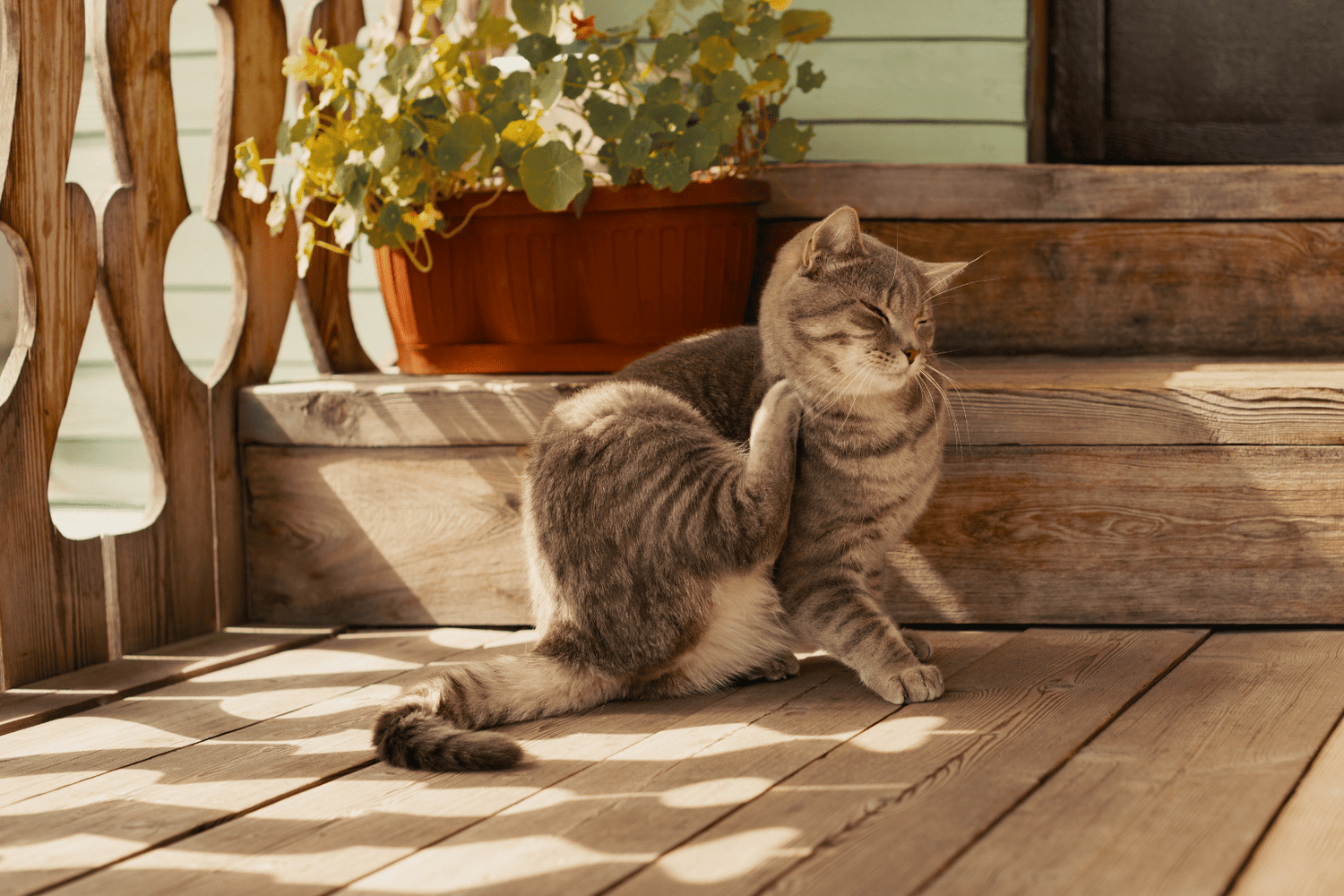
- Excessive licking and scratching are common signs of cat skin allergies.
- Allergy triggers can be difficult to identify without veterinary guidance.
- Elimination diets and allergy tests are often recommended to pinpoint causes.
- Cat skin allergies can disrupt both the pet's and owner's sleep.
Table of Contents
- What's Actually Happening: The Allergy Basics
- The Four Types: Which One Is Your Cat Dealing With?
- Spotting the Signs: What Your Cat Is Actually Telling You
- Natural Management Strategies: Your At-Home Toolkit
- When Secondary Infections Strike: Protecting Healing Skin
- Real-World Success & Community Support
- Your Cat's Better Life Starts Now
Your sweet tabby won't stop licking her paws raw. The scratching keeps everyone awake at night. Your vet mentions three possible triggers, and suddenly you're drowning in elimination diets and allergy tests. Sound familiar?
Cat skin allergy affects millions of felines, but here's what most pet parents don't realize: the constant scratching isn't stubbornness, it's genuine discomfort. Your cat's immune system is treating harmless substances like mortal enemies, triggering inflammation that makes their skin feel like it's on fire. Natural relief solutions can help address these symptoms and support your cat's comfort.
The good news? Once you understand what's happening and identify the trigger, relief is absolutely possible. This guide walks you through recognizing the four main allergy types, reading your cat's signals, and creating a natural management plan that actually works. You're not helpless in this, you're about to become your cat's best advocate. For more tips on how you can soothe your cat's itchy skin, check out our expert advice.
What's Actually Happening: The Allergy Basics
The Immune Overreaction
Think of allergies as your cat's immune system having a complete meltdown over something totally harmless. A speck of pollen or a protein in chicken triggers the same defensive response as a dangerous invader. The result? Inflammation cascades through their system, releasing chemicals that make skin itch, swell, and become hypersensitive.
Why some cats develop allergies while others don't comes down to genetics, how often they're exposed to triggers, and even stress levels. The gut-skin connection plays a huge role too, when digestive health is compromised, skin barriers weaken and become more reactive. For a deeper dive into managing these triggers, read our guide on how to manage cat allergy.
Why Skin? Why Now?
Your cat's skin is their largest organ and first line of defense against the world. When that protective barrier breaks down, allergens penetrate deeper and trigger stronger reactions. Cats with naturally sensitive skin struggle more because their barriers are already compromised.
Quick Fact: Cats are masters at hiding pain. That "excessive grooming" isn't vanity, it's your cat desperately trying to soothe inflamed, itchy skin.
The misconception that cats are "just grooming too much" misses the point entirely. The itch drives the grooming, not the other way around. Once you understand this, those raw patches and bald spots start making perfect sense.
The Four Types: Which One Is Your Cat Dealing With?

Flea Allergies: The Most Common Culprit
Best for identifying: Cats with intense scratching at the tail base, neck, and inner thighs
Here's the kicker about flea allergies, your cat only needs one flea bite to suffer for weeks. These cats are so sensitive that even with rigorous flea prevention, a single hitchhiker can trigger a massive reaction. The itching concentrates where fleas love to hide: tail base, neck, and warm inner thigh areas.
What makes this tricky is that flea-allergic cats suffer year-round. You might never see a flea, but the damage is done. Consistent prevention becomes non-negotiable, paired with natural support to calm their overactive immune response. If you're looking for effective solutions, explore our best selling products for natural relief that can help manage these symptoms.
Food Allergies: The Hidden Troublemaker
Best for identifying: Cats with face, ear, and paw symptoms regardless of season
Food allergies are the ultimate betrayal, your cat can suddenly become allergic to chicken after eating it for years. Common culprits include chicken, beef, fish, and grains, but any protein can trigger a reaction. Unlike food sensitivities that cause mild digestive upset, true food allergies create intense immune responses.
The gold standard for diagnosis? A strict 9-12 week elimination diet using a novel protein your cat has never eaten. Switching foods alone often isn't enough, you need gradual transitions and patience while their system resets.
Environmental Allergies: Seasonal and Beyond
Best for identifying: Cats with spring/fall flare-ups affecting face, feet, and groin
Pollen, dust mites, mold, and grasses turn your cat's environment into an allergen minefield. Environmental allergies typically hit the face, feet, groin, and ears hardest because these areas have thinner skin and more contact with irritants.
The seasonal pattern gives this away, spring pollen triggers are obvious, but year-round dust mite allergies are sneakier. Cats mask symptoms by grooming excessively, so you might miss early signs until skin damage is obvious.
Contact Allergies: The Rare But Real Type
Best for identifying: Localized reactions on hairless areas like belly and armpits
Direct contact reactions happen when your cat touches something their skin can't tolerate, harsh shampoos, fabric dyes, certain plants, or cleaning products. These allergies stay localized to contact areas, especially hairless zones like the belly and armpits where skin is most vulnerable.
Understanding your cat's specific allergy type is crucial because each requires a different management approach. The table below helps you identify which category fits your cat's symptoms:
| Allergy Type | Primary Triggers | Symptom Pattern | Key Identifying Clues | Timeline |
|---|---|---|---|---|
| Flea Allergy | Flea saliva | Tail base, neck, inner thighs | Intense scratching, hair loss patches | Year-round with seasonal peaks |
| Food Allergy | Proteins, grains | Face, ears, paws | Non-seasonal, digestive issues | Can develop at any age |
| Environmental | Pollen, dust, mold | Face, feet, groin, ears | Seasonal flare-ups | Spring/fall peaks |
| Contact | Shampoos, cleaners, plants | Hairless areas only | Localized to contact zones | Immediate reaction |
Spotting the Signs: What Your Cat Is Actually Telling You
The Telltale Behaviors
Your cat's behavior changes before visible skin damage appears. Watch for obsessive licking or chewing of specific body parts, this isn't normal grooming. Head shaking, ear scratching, and rubbing their face against furniture or your hands signals they're seeking relief from intense itching.
Behavioral shifts matter too. Cats with cat skin allergy often become irritable, restless, or have disrupted sleep patterns. Early recognition prevents secondary bacterial infections that complicate treatment and extend recovery time. If you want to connect with other cat parents facing similar challenges, join our supportive community.
What Their Skin Is Showing
Lift your cat's fur to check for redness, scaling, or crusty patches, these hide easily under their coat. Hair loss in distinct patterns tells the story: legs, tail, and neck for flea allergies; face and paws for food reactions; widespread for environmental triggers.
Open sores, scabs, or weeping areas signal the situation has escalated. Ear infections accompanying skin issues, marked by odor, redness, or discharge, often indicate food allergies. Chin acne or small bumps frequently connect to food sensitivities.
The Secondary Infection Red Flag
When scratching creates open wounds, bacteria and fungi move in quickly. Infected skin develops a distinct bad smell and may look pustular or ooze yellow-green material. This transforms a manageable allergy into a complex medical situation requiring immediate veterinary attention.
Call Your Vet Immediately If: You notice fever, rapidly spreading lesions, foul-smelling discharge, or if your cat stops eating due to discomfort.
Natural Management Strategies: Your At-Home Toolkit
Allergen Avoidance: The First Line
Environmental control forms the foundation of successful cat skin allergy management. For environmental allergies, install HEPA filters, vacuum frequently with a pet-specific vacuum, and use air purifiers in rooms where your cat spends time. Wash bedding weekly in hot water and reduce dust-collecting items.
Food allergy management demands strict ingredient tracking. Read every label obsessively, eliminate table scraps completely, and maintain a food diary. For flea allergies, year-round prevention becomes non-negotiable, even indoor cats need protection from fleas carried in on clothing or other pets.
Nutrition as Foundation
Natural nutrition supports your cat's skin barrier from the inside out. Omega-3 fatty acids reduce inflammation, while limited-ingredient diets make trigger identification easier. Fresh water supports natural detoxification processes that help clear allergens from their system.
The gut-skin connection means digestive health directly impacts allergy severity. Cats with compromised gut barriers often develop multiple food sensitivities, making comprehensive digestive support essential alongside allergy management.
Bathing & Topical Care
Lukewarm baths every 1-2 weeks during flare-ups remove surface allergens and soothe inflamed skin. Apply gentle, fragrance-free products, let them sit for 5-10 minutes, then rinse thoroughly. Never use hot water, it strips natural oils and worsens irritation.
Pat skin dry rather than rubbing, and apply fragrance-free moisturizers to particularly irritated areas. This routine removes accumulated allergens while supporting the skin's natural healing processes. For more information on natural approaches, you can also read this helpful article for cat owners.
Natural Support Solutions
BestLife4Pets Cat Allergy Relief & Immune Support offers gentle, comprehensive support for cats dealing with skin allergies. This homeopathic formula supports your cat's natural healing processes without harsh side effects. Adult cats receive 2-3 pills 2×/day, while kittens receive 1-2 pills 2×/day, with maintenance dosing at 1×/day once improvement is seen.
Our formulation supports the immune system and helps promote a calm disposition when dealing with environmental or food-related sensitivities. If you're seeking additional ways to help your cat, browse our natural relief collection for trusted options.
When Secondary Infections Strike: Protecting Healing Skin

Broken skin from scratching creates an open invitation for bacteria and fungi. Your cat's saliva contains microorganisms that can infect open wounds, turning a manageable allergy into a complicated medical issue.
Early Warning Signs
Watch for pus, oozing, or crusty yellow-green material around affected areas. A foul, yeasty smell often signals bacterial overgrowth, while rapid spreading despite home care indicates professional intervention is needed.
Swelling, warmth, or heat in scratched areas suggests inflammation has progressed beyond simple irritation.
Preventive Steps
Keep nails trimmed short to reduce scratch damage depth. During flare-ups, reduce allergen exposure aggressively, this isn't the time for gradual changes. Monitor skin daily and escalate to your vet immediately if infection signs appear.
Our immune support formulas help maintain your cat's natural defenses during vulnerable healing periods. For a comprehensive overview of managing allergies, you may also find this guide to managing cat allergy useful.
For additional authoritative information about cat skin allergies, visit the Cornell Feline Health Center.
Real-World Success & Community Support
Thousands of cat parents have successfully managed their pets' skin allergies using comprehensive natural approaches. The key is patience and consistency, allergies are manageable for life with the right routine.
Essential Questions Answered
How long until relief appears? Most cats show improvement within 4-8 weeks of consistent allergen avoidance combined with natural support. Severe cases may take 12 weeks for full resolution.
Can allergies disappear completely? Cat skin allergy is typically lifelong, but becomes highly manageable with proper care. Many cats live comfortably with minimal symptoms once their routine is established.
Are natural remedies safe with vet medications? Our gentle formulas work alongside veterinary treatments when used as directed. Always inform your vet about all supplements you're using.
Community Stories
Luna, a 4-year-old Persian, suffered chronic ear infections and facial scratching for two years. After switching to a limited-ingredient diet and starting our allergy support formula, her infections cleared within six weeks. Her family now maintains her routine year-round with excellent results.
Join our community at @BestLife4Pets to share your cat's journey and connect with other dedicated pet parents navigating similar challenges. For more information on common feline health issues, you can also refer to this guide to aging cat health issues.
Your Cat's Better Life Starts Now
Cat skin allergy doesn't have to control your pet's quality of life. With consistent allergen avoidance, supportive nutrition, and gentle natural remedies, most cats achieve significant relief and return to their playful, comfortable selves. For a curated selection of best selling products that support your cat's skin health, explore our collection.
The holistic approach, combining environmental controls, dietary management, and natural immune support, addresses root causes rather than just masking symptoms. Your patience and dedication during the initial weeks create the foundation for years of improved comfort.
Explore our specialized allergy relief formulas designed to support your cat's natural healing and comfort throughout their journey to better skin health.
Not a substitute for professional veterinary advice.
Frequently Asked Questions
What are the most common signs that my cat is suffering from a skin allergy?
Excessive licking, scratching, and biting at the skin are the most common signs your cat may have a skin allergy. You might notice redness, hair loss, or scabs, especially around the paws, ears, and belly. These behaviors often disrupt both your cat’s and your own sleep due to discomfort.
How can I identify the specific triggers causing my cat's skin allergy?
Pinpointing allergy triggers can be tricky without veterinary guidance. Your vet may suggest elimination diets or allergy testing to narrow down causes like food proteins, environmental allergens, or fleas. Keeping a detailed diary of your cat’s symptoms and exposures can also help spot patterns.
What natural remedies and management strategies can help soothe my cat's itchy skin?
Natural approaches like omega-3 supplements and gentle, hypoallergenic baths can support skin health and reduce inflammation. Homeopathic remedies designed to support your cat’s immune system may ease discomfort and promote healing. Creating a calm environment and maintaining a balanced diet also play important roles.
Why do flea bites cause such intense allergic reactions in some cats, and how can I protect my pet?
Some cats are hypersensitive to flea saliva, which triggers a strong immune response causing intense itching and inflammation. Protecting your cat with regular flea prevention and keeping their environment clean helps reduce exposure. Supporting skin health naturally can also help your cat’s body handle these reactions better.