If your cat is constantly scratching, over-grooming, licking patches of fur, or developing dry flaky skin, you’re definitely not alone. Skin issues in cats are one of the most common reasons pet parents start searching for answers online.
Sometimes the problem is minor, like dry skin during seasonal changes. Other times, persistent itching can point to allergies, mites, fungal infections, dermatitis, or even stress-related grooming behaviors.
The good news is that many cat skin problems can improve significantly once you identify the cause and support your cat’s skin health consistently.
In this guide, we’ll cover:
- The most common skin issues in cats
- How to treat skin issues in cats
- Home care tips that may help soothe irritated skin
- What Medicine Is Good for Cat Skin Infection?
- When it’s time to see a vet
1. Common Cat Skin Issues
Cat skin problems can appear in many different ways. Some cats lose fur. Others develop red irritated skin, dandruff, bumps, or excessive scratching.
Here are some of the most common cat skin issues pet owners notice:
Allergies
Cats can develop allergies to:
- Food ingredients
- Flea bites
- Dust or pollen
- Cleaning products
- Certain fabrics or litter
Allergies often cause:
- Itchy skin
- Over-grooming
- Hair loss
- Scabs around the neck or face
- Red irritated skin
- Some cats may scratch constantly while others lick themselves excessively until bald spots appear.
Dry Skin & Dandruff
Dry skin in cats can happen because of:
- Low humidity
- Poor diet
- Aging
- Excessive bathing
- Underlying health issues
- You may notice:
- White flakes
- Dull fur
- Increased shedding
- Mild itching
Senior cats especially can struggle with skin dryness as they age.
Fleas & Mites
Even indoor cats can sometimes get fleas or mites.
These parasites can cause:
- Intense itching
- Small scabs
- Skin inflammation
- Hair thinning
- Restlessness
Some cats are extremely sensitive to flea bites and may react after only one or two bites.
Fungal or Bacterial Skin Infections
Skin infections may develop after repeated scratching damages the skin barrier.
Signs can include:
- Red patches
- Crusty skin
- Oozing sores
- Bald spots
- Strong odor
These infections often require veterinary treatment.
Stress & Over-Grooming
Cats sometimes groom excessively when stressed or anxious.
Changes in routine, new pets, loud environments, or boredom can trigger obsessive grooming behaviors that lead to irritated skin and fur loss.
2. How to Treat Skin Issues in Cats

The answer depends on the underlying cause, but treatment usually involves a combination of:
- Identifying triggers
- Soothing irritation
- Supporting skin healing
- Improving coat health
- Preventing further scratching
Step 1: Check for Fleas or Parasites
Always rule out fleas or mites first.
Even if you don’t see fleas, cats can still react strongly to flea saliva. A vet may recommend:
- Flea prevention
- Skin testing
- Mite treatment
- Medicated shampoos
Step 2: Support Skin & Coat Health
Healthy skin starts internally.
Cats with chronic itching or flaky skin may benefit from additional skin and coat support designed to:
- Reduce itching
- Support healthy fur growth
- Soothe irritated skin
- Reduce shedding
- Help maintain skin moisture
Many pet parents look for gentle long-term support options that can be used consistently instead of relying only on temporary topical treatments.
BestLife4Pets’ Cat Itch Relief + Skin & Coat Health supplement is designed to support cats struggling with:
- Itching
- Scratching
- Patchy fur
- Shedding
- Dry skin
It’s especially appealing to owners looking for ongoing skin and coat support in cats with recurring irritation.
Step 3: Reduce Environmental Triggers
Simple household changes can sometimes make a huge difference.
Try:
- Washing bedding regularly
- Switching to fragrance-free litter
- Using air purifiers
- Vacuuming frequently
- Avoiding harsh cleaning chemicals
For some cats, environmental allergens are a major trigger.
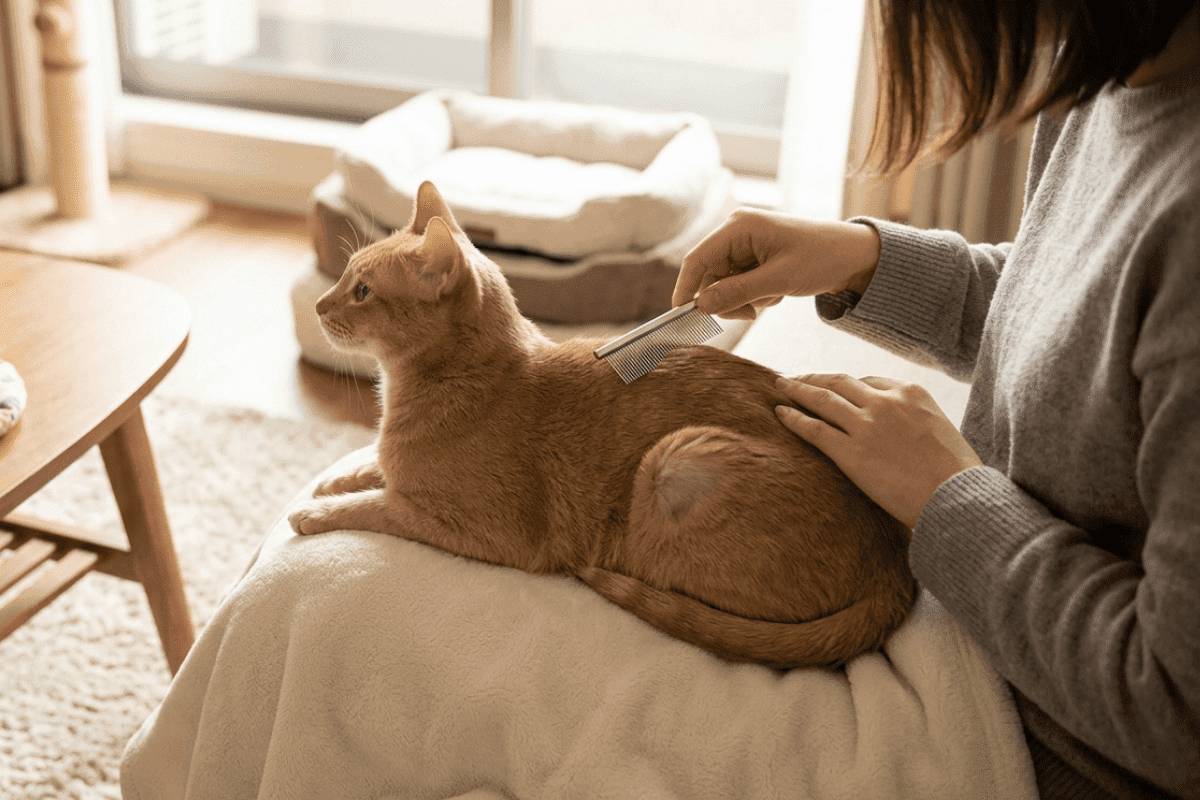
Step 4: Improve Grooming Habits
Regular brushing helps:
- Remove loose fur
- Improve skin circulation
- Reduce matting
- Distribute natural oils
Long-haired cats especially benefit from routine grooming.
3. How to Cure Cat Skin Disease at Home
While severe skin infections always need veterinary care, mild skin irritation may sometimes improve with supportive home care.
Here are a few things that may help:
Keep Your Cat Hydrated
Proper hydration supports healthy skin function.
Cats eating wet food often maintain better hydration levels than cats eating dry food only.
Reduce Stress
Stress can worsen itching and over-grooming.
Try:
- Quiet hiding spaces
- Predictable routines
- Interactive play
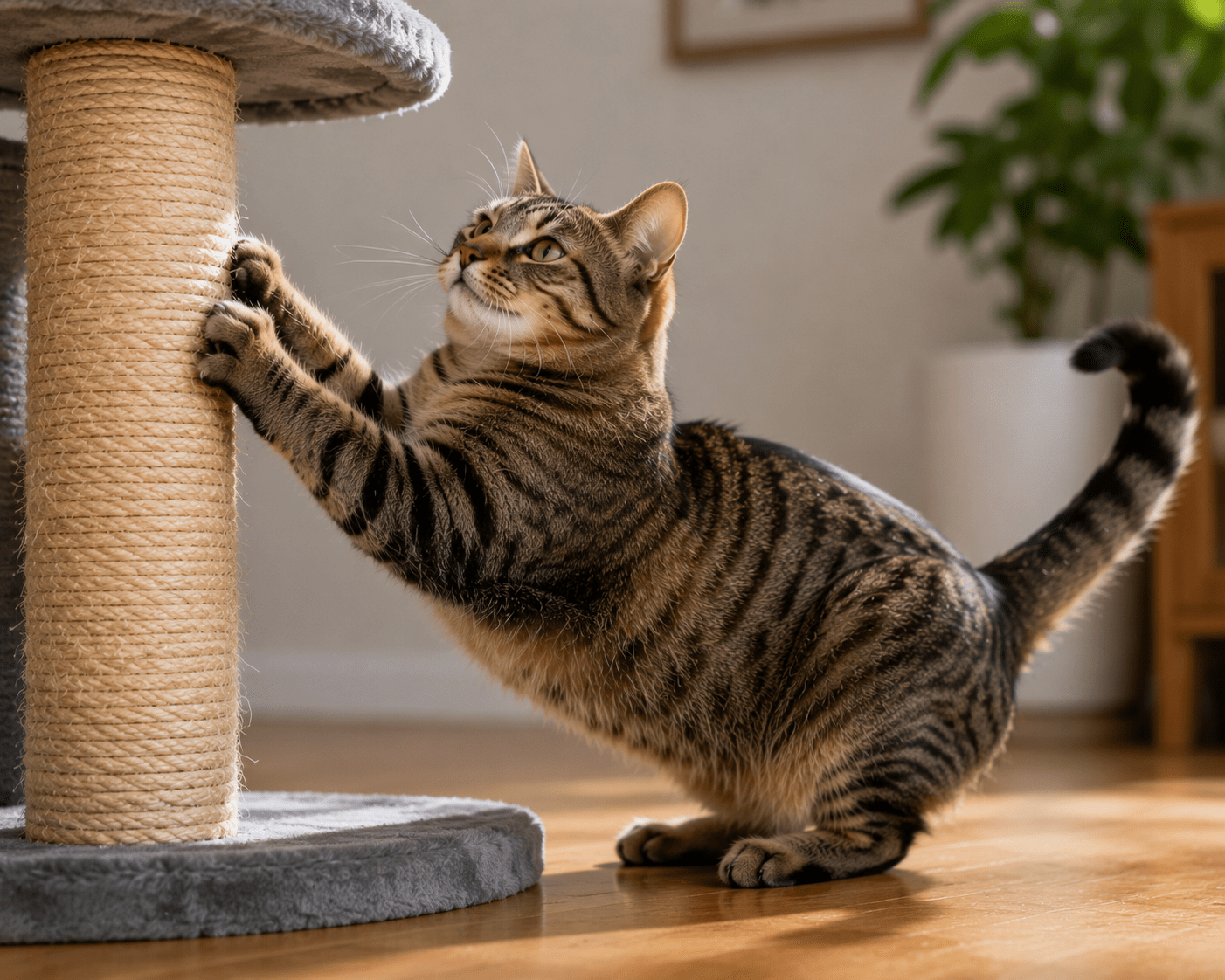
- Cat trees and enrichment
Avoid Human Skin Products
Never use human creams or medications on cats unless approved by a veterinarian.
Many ingredients are toxic to cats.
Support Long-Term Skin Health
Consistent nutritional and skin support is often more effective than constantly switching products.
That’s why many owners use daily skin and coat supplements to help maintain healthier skin over time.

4. What Medicine Is Good for Cat Skin Infection?
The best treatment depends on the cause of the infection.
A vet may prescribe:
- Antibiotics
- Antifungal medication
- Anti-inflammatory medication
- Flea treatment
- Medicated shampoos
If your cat has:
- Open sores
- Bleeding skin
- Swelling
- Strong odor
- Fever
- Severe hair loss
You should contact your vet promptly.
5. Signs Your Cat’s Skin Problem May Be Serious
Seek veterinary care if your cat:
- Stops eating
- Develops large bald patches
- Has bleeding or infected skin
- Seems lethargic
- Scratches until wounds appear
- Has symptoms lasting several weeks
Early treatment often prevents skin conditions from becoming much worse.
Final Thoughts
Skin issues in cats can be frustrating for both pets and owners, especially when the itching becomes constant.
The key is identifying the cause early and supporting your cat’s skin consistently over time.
Whether the issue is allergies, dry skin, stress, or irritation, many cats benefit from a combination of:
- Veterinary guidance
- Environmental adjustments
- Proper grooming
- Skin-supportive nutrition
- Long-term coat and itch support