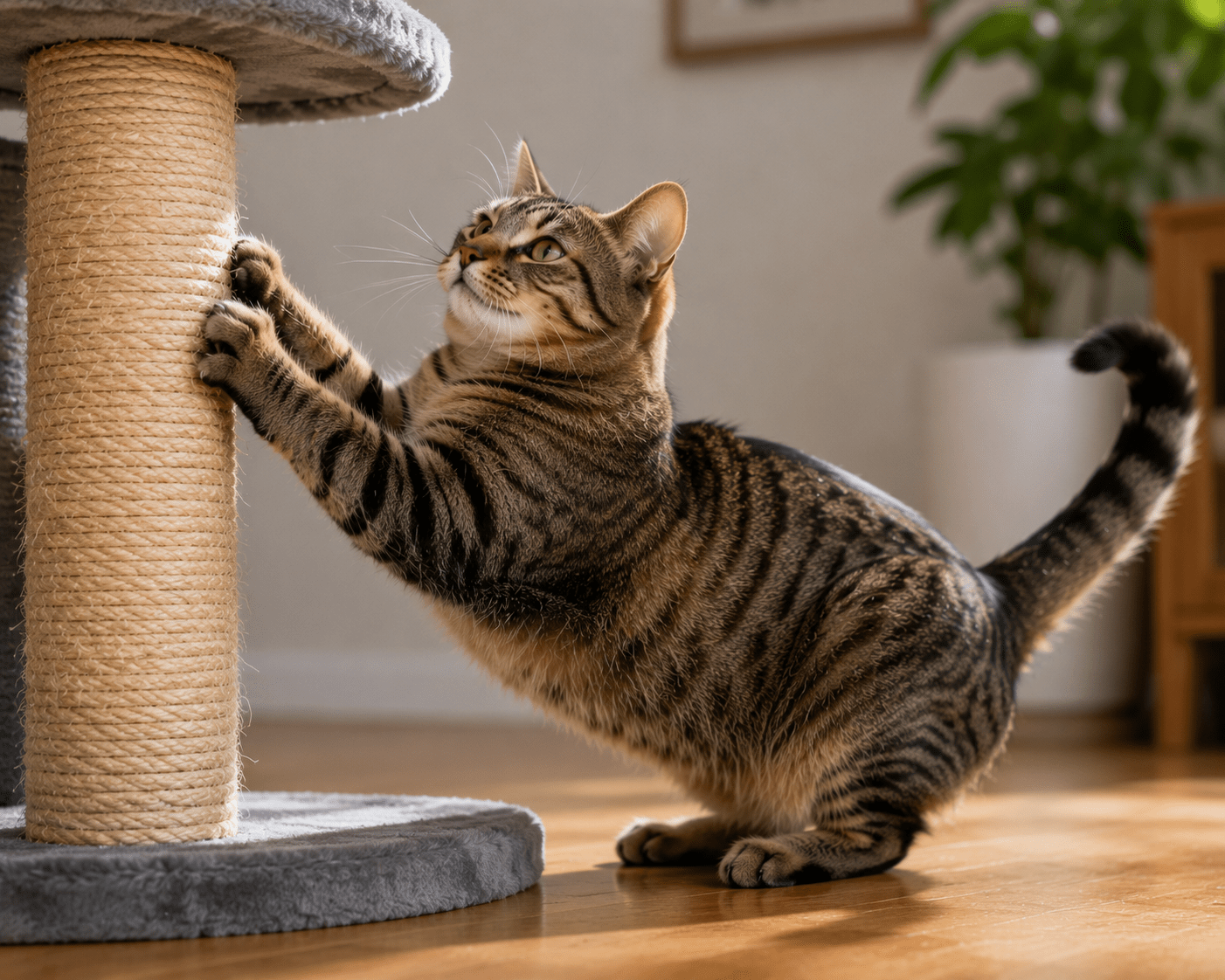
Discover the common signs of cat skin infections, what causes them, and how to help soothe irritated skin and support healing in cats naturally.
Skin infections in cats can start small and become much more serious if left untreated. What begins as mild itching or excessive grooming can eventually turn into inflamed skin, bald patches, scabs, or painful sores.
Many cat owners first notice something is wrong when their cat:
- Keeps scratching the same area
- Licks excessively
- Develops flaky or red skin
- Starts losing fur
- Seems uncomfortable being touched
Because skin problems in cats can have many different causes, it’s important to understand what may be triggering the irritation in the first place.
In this guide, we’ll cover:
- Common causes of cat skin infections
- Signs your cat may have irritated or infected skin
- How to treat cat skin problems at home
- Ways to support healthier skin and coat health long-term
- What medicine may help cat skin infections
1. What Causes Skin Infections in Cats?
Cat skin infections usually happen when the skin barrier becomes damaged or inflamed.
This can happen because of:
- Allergies
- Fleas or mites
- Excessive scratching
- Over-grooming
- Fungal infections
- Bacterial infections
- Weak immune health
- Chronic dry skin
Once the skin becomes irritated, bacteria or yeast can grow more easily, making the problem worse.
Some cats also develop recurring skin issues because the underlying cause never fully goes away.
2. Signs of Skin Infections in Cats

Many pet owners search online for:
“What medicine is good for cat skin infection?”
But before treatment starts, it helps to recognize the warning signs early.
Common symptoms of cat skin infections include:
Red or Inflamed Skin
Irritated skin may appear:
- Pink
- Red
- Warm
- Sensitive to touch
Constant Scratching or Licking
Cats with skin irritation often cannot stop grooming the affected area.
This may lead to:
- Bald spots
- Broken skin
- Fur thinning
Scabs or Crusty Areas
Small scabs around the neck, ears, back, or face are common in cats with chronic itching.
Hair Loss
Patchy fur loss is one of the biggest warning signs that your cat’s skin health is struggling.
Dry Flaky Skin
Dandruff-like flakes can signal irritation, allergies, or poor skin moisture balance.
Unpleasant Odor
A strong smell from the skin may suggest infection or inflammation.
3. How to Treat Skin Issues in Cats
Treatment depends on the cause, but most cats benefit from a combination of:
- Reducing irritation
- Preventing excessive scratching
- Supporting skin healing
- Improving coat condition
- Addressing underlying triggers
Step 1: Identify Possible Allergies
Cats can react to:
- Certain proteins in food
- Dust
- Pollen
- Fleas
- Cleaning products
- Synthetic fragrances
If symptoms appear seasonally or after environmental changes, allergies may be involved.
Step 2: Protect the Skin Barrier
Cats with chronic itching often damage their own skin through scratching and licking.
Helping support the skin barrier is important for:
- Reducing irritation
- Improving moisture retention
- Encouraging fur regrowth
- Supporting healing
This is why many owners look for skin and coat support supplements designed specifically for cats with recurring itching and skin sensitivity.
BestLife4Pets Cat Itch Relief + Skin & Coat Health is formulated to help support:
- Itchy skin
- Excessive scratching
- Fur loss
- Shedding
- Dry flaky skin
- Coat health
For cats dealing with recurring irritation, consistent skin support may help improve overall comfort and coat condition over time.
Step 3: Keep Your Cat’s Environment Clean
Skin irritation can worsen when allergens build up in the home.
Helpful habits include:
- Washing bedding regularly
- Vacuuming often
- Cleaning litter areas frequently
- Reducing dust buildup
- Avoiding heavily scented products
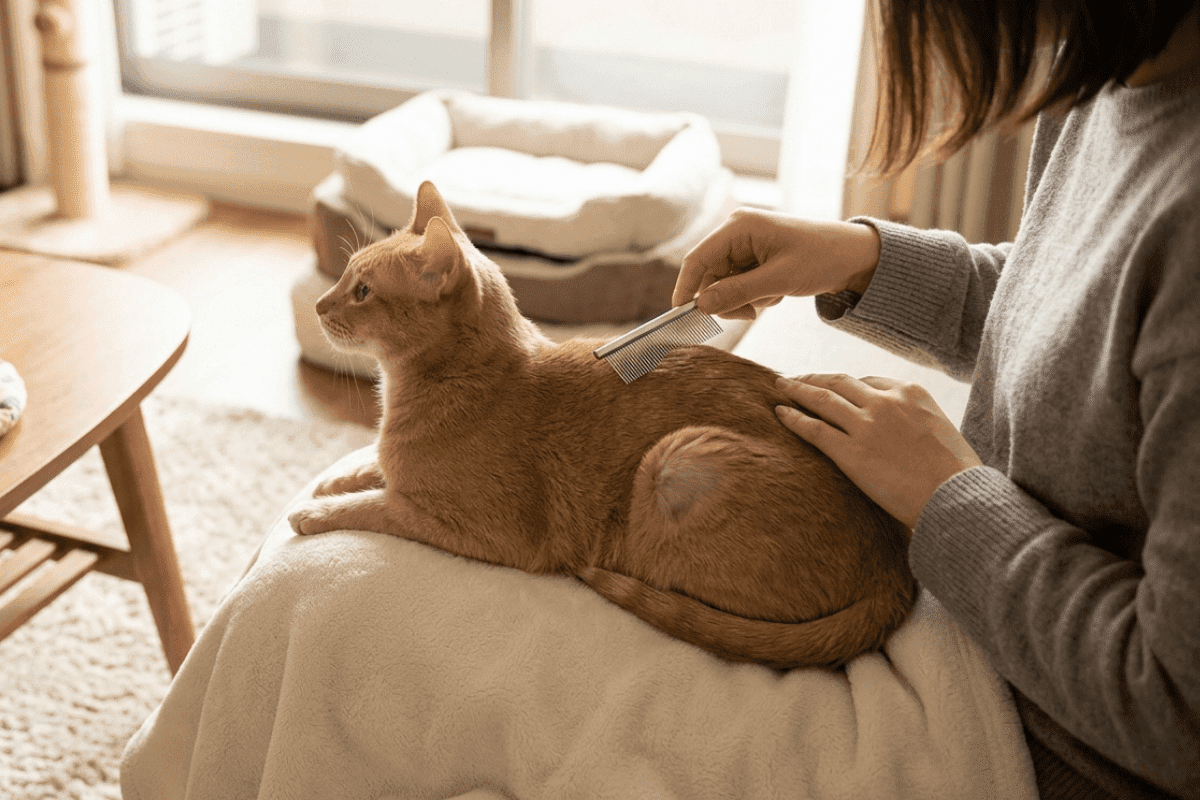
Step 4: Support Healthy Grooming
Brushing your cat regularly helps:
- Remove loose fur
- Reduce skin buildup
- Improve circulation
- Prevent matting
- Long-haired cats especially benefit from consistent grooming.
4. How to Cure Cat Skin Disease at Home
Mild irritation may improve with supportive home care, especially if caught early.
Some helpful steps include:
Improving Nutrition
Skin health is closely connected to nutrition and overall wellness.
Cats need proper hydration and balanced nutrition to maintain healthy skin and fur.
Reducing Stress
Stress can trigger over-grooming and worsen skin irritation.
Cats thrive with:
- Quiet safe spaces
- Predictable routines
- Interactive play
- Comfortable resting areas
Monitoring Scratching Behavior
Pay attention to:
- Which areas your cat scratches most
- Whether symptoms worsen seasonally
- New foods or products introduced recently
Patterns can help identify triggers.
5. What Medicine Is Good for Cat Skin Infection?
For moderate or severe infections, veterinarians may prescribe:
- Antibiotics
- Antifungal medication
- Medicated shampoos
- Anti-inflammatory medication
- Flea treatments
However, ongoing skin support is often still important even after infections improve.
Cats prone to recurring itching or dry irritated skin may continue struggling unless the skin barrier and coat health are supported long-term.
When Should You See a Vet?
Contact your veterinarian if your cat has:
- Open wounds
- Bleeding skin
- Severe hair loss
- Swelling
- Pus or discharge
- Fever
- Loss of appetite
- Persistent symptoms lasting more than a few days
- Early treatment can prevent skin conditions from becoming much harder to manage.
Final Thoughts
Cat skin infections and chronic itching can quickly affect your cat’s comfort, mood, and quality of life.
The sooner you address skin irritation, the easier it is to prevent worsening inflammation and damage.
Whether your cat struggles with:
- Excessive scratching
- Dry flaky skin
- Fur loss
- Seasonal itching
- Over-grooming
- Recurring irritation
Supporting healthy skin consistently can make a major difference.
BestLife4Pets Cat Itch Relief + Skin & Coat Health is designed to help support cats dealing with ongoing skin and coat concerns while promoting healthier skin, shinier fur, and improved comfort over time.

FAQ
Why does my cat keep scratching but has no fleas?
Cats can itch because of allergies, dry skin, mites, fungal infections, stress, or food sensitivities.
Can cats get bacterial skin infections?
Yes. Excessive scratching or damaged skin can allow bacteria to grow and cause infection.
What helps cats with dry itchy skin?
Hydration, proper grooming, reducing allergens, and skin-supportive care may help improve dry itchy skin.
Can over-grooming cause bald spots?
Yes. Cats that excessively lick or groom themselves may develop hair loss and irritated skin.
How long do cat skin infections take to heal?
Healing time depends on the cause and severity. Mild irritation may improve quickly, while infections may require veterinary treatment and ongoing skin support.