


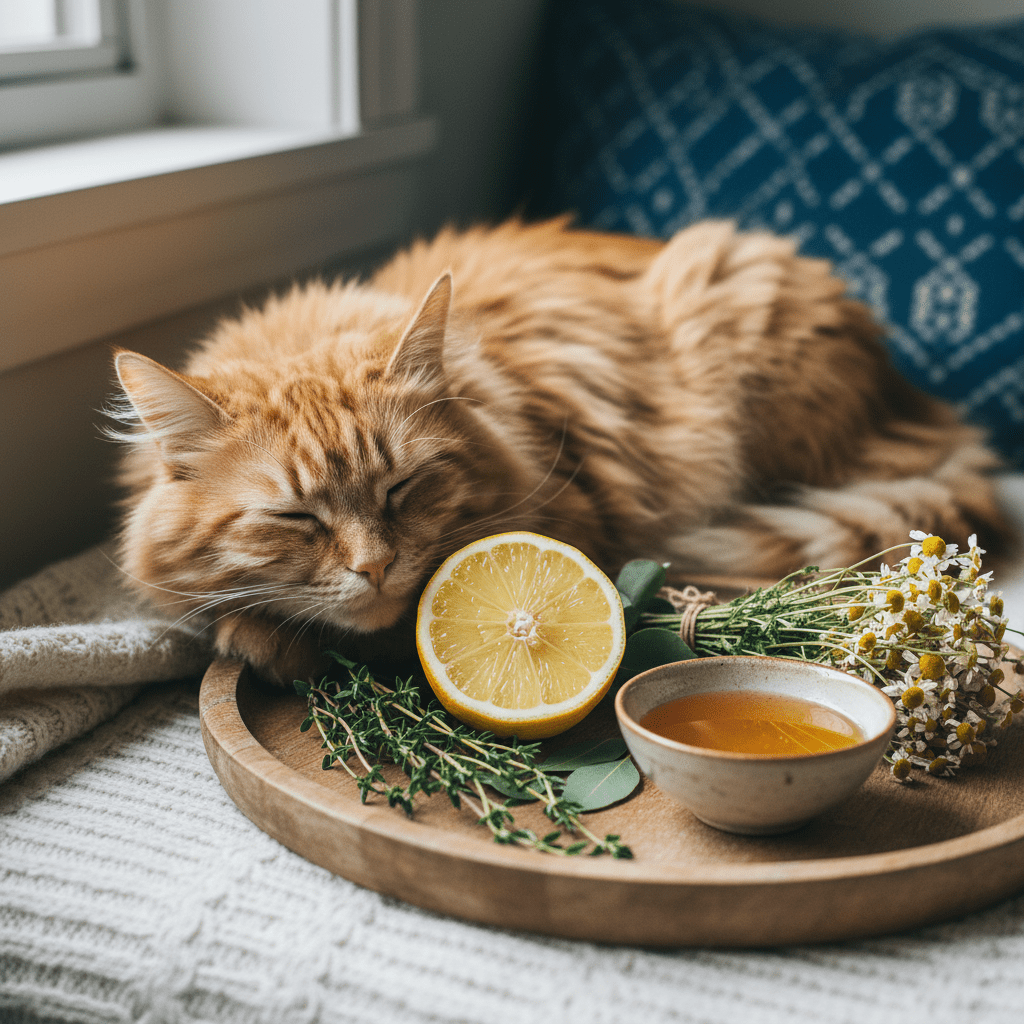
Key Takeaways
- Coughing in cats can indicate underlying health issues that require attention.
- Natural remedies may help ease a cat's coughing discomfort but are not a replacement for veterinary care.
- Always consult a professional veterinarian before trying new treatments for your cat's cough.
- Monitoring your cat's symptoms closely is important to ensure their well-being.
- Providing a comfortable environment can support your cat's recovery from coughing.
Table of Contents
- When Your Cat's Cough Breaks Your Heart
- What Does a Coughing Cat Actually Sound Like?
- Cough vs. Hairball: The Critical Differences
- Why Cats Develop Coughs: From Simple to Serious
- Red Flags: When Coughing Becomes an Emergency
- 7 Natural Ways to Support Your Coughing Cat Today
- How Our Gentle Pellets Support Breathing Comfort
- Natural Home Support – 7 Ways to Ease Your Cat's Cough Today
- BestLife4Pets Remedies – Gentle Pellet Support for Respiratory Comfort
- Prevention & Long-Term Respiratory Care
- When Home Remedies Aren't Enough – Escalation Guidelines
- Troubleshooting Persistent Coughing Cases
- Building Long-Term Respiratory Resilience
- Your Next Steps: Creating a Respiratory Comfort Plan
When Your Cat's Cough Breaks Your Heart
Picture this: Your sweet tabby suddenly starts hacking like there's something stuck in her throat. That heart-dropping moment when you realize your coughing cat needs help, I've been there as both a pet parent and someone who's spent a decade helping families navigate these scary moments naturally.
A cat cough is your feline's way of clearing irritants from their airways, but it can signal everything from dust allergies to more serious respiratory issues. The good news? Many cases respond beautifully to gentle, natural support alongside proper veterinary care. If your cat's cough is accompanied by sneezing or congestion, you may want to consider a Breathe Easy, Cat Cold & Respiratory Infection Remedy for targeted relief. For cats with recurring coughs related to allergies, Cat Allergy Relief & Immune Support Remedy can help address underlying triggers.
Let's decode what that cough means and explore seven proven ways to ease your cat's discomfort, including the sugar-pellet remedies that have helped thousands of cats breathe easier. For more insights on being a proactive cat parent, check out our blog for tips on supporting your feline's health.
What Does a Coughing Cat Actually Sound Like?

Coughing in cats happens when their body tries to expel irritants from the respiratory tract, but it doesn't always sound like human coughing. Many cat parents mistake it for hairballs or gagging initially.
| Cough Type | Sound Description | Physical Signs | Common Triggers |
|---|---|---|---|
| Dry Cough | Hacking, honking, or wheezing | Extended neck, no phlegm | Environmental sensitivities, dust, perfumes |
| Wet Cough | Rattly, productive sounds | Visible mucus, labored breathing | Respiratory irritation, fluid buildup |
Watch your cat's posture during episodes. A coughing cat typically extends their neck forward and may crouch low with their abdomen engaged. Record a 30-second video if possible, this helps your vet identify patterns and severity much faster than descriptions alone.
Cough vs. Hairball: The Critical Differences
The confusion is real, both involve throat sounds and similar body positions. However, cat coughing targets the respiratory system while hairballs originate in the digestive tract.
Key distinguishers: Coughs produce a sharp "hack" with the mouth slightly open, while hairball retching sounds wetter with more abdominal heaving. Hairballs typically end with something expelled (hair tube or food), but coughs rarely produce visible material unless it's a productive wet cough.
Quick test: If your cat's breathing improves after 10 minutes in a steamy bathroom, you're likely dealing with respiratory irritation rather than a hairball issue. For more on keeping your cat's litter area clean and reducing irritants, see our guide to cat litter box 101.
Why Cats Develop Coughs: From Simple to Serious
Environmental triggers top the list, dust from litter, cleaning products, candles, or seasonal allergens. Feline respiratory sensitivity affects up to 5% of cats and often presents as chronic dry coughing, especially at night.
Respiratory irritation can include upper respiratory symptoms (common in shelter cats), bacterial discomfort, or parasites like lungworms. De-Wormer for Cats & Kittens can help support digestive wellness if your vet suspects worms or lungworms are a factor.
Mechanical issues such as too-tight collars pressing on the trachea or foreign objects can trigger persistent coughing.
Less common but serious: heart conditions can cause coughing when fluid backs up into the lungs, particularly in senior cats. This typically comes with other symptoms like reduced activity or appetite changes. For more on health issues as cats age, read about aging cat common health issues.
Red Flags: When Coughing Becomes an Emergency

Immediate vet attention is needed for blue or pale gums, open-mouth breathing, extreme lethargy, or coughing up blood. These signal oxygen deprivation or severe respiratory distress.
Same-day vet visits are warranted for persistent coughing with appetite loss, fever, or thick colored discharge from nose or mouth.
Monitor-at-home situations include occasional dry coughing in an otherwise normal-acting cat, especially if it coincides with litter changes or seasonal shifts. Give it 48-72 hours with supportive care, but don't hesitate to call if you're concerned.
7 Natural Ways to Support Your Coughing Cat Today
Not a substitute for professional veterinary advice.
Steam therapy works wonders for dry, irritated airways. Run a hot shower, close the bathroom door, and sit with your cat for 10-15 minutes twice daily. The humidity helps loosen mucus and soothe inflamed tissues.
Environmental cleanup means switching to low-dust, unscented litter and running HEPA air filters continuously. Remove aerosols, candles, and strong cleaning products from your cat's main living areas.
Hydration boost supports natural mucus clearance. Add extra water to wet food or offer bone broth made specifically for cats. Well-hydrated cats clear respiratory irritants more effectively.
Gentle homeopathic support can complement these efforts beautifully. Our Breathe Easy pellets contain carefully selected remedies that support your cat's natural healing response to respiratory irritation. Simply give 2-3 pellets 2 times daily.
How Our Gentle Pellets Support Breathing Comfort
BestLife4Pets Breathe Easy pellets offer targeted support for cats experiencing respiratory discomfort without harsh chemicals or side effects. These tiny, tasteless pellets work by supporting your cat's natural healing processes and can be easily given directly or mixed with food. Many pet parents have found that using our Breathe Easy pellets as part of a daily routine helps maintain clear airways and overall comfort for their cats.
Natural Home Support – 7 Ways to Ease Your Cat's Cough Today

When your coughing cat needs gentle relief, these proven home techniques can provide comfort while you monitor their progress. Each method targets different aspects of respiratory discomfort, from loosening mucus to reducing airway irritation.
Steam Therapy Protocol: Create a humid bathroom by running hot water for 5 minutes, then sit with your cat for 10-15 minutes twice daily. This loosens mucus and soothes inflamed airways in most mild cases.
Allergen Reduction Strategy: Switch to low-dust, unscented litter with only 1/4 inch depth. Run a HEPA filter continuously in your cat's favorite rooms. Remove aerosols, candles, and strong cleaners from their environment – these irritants trigger coughing episodes in sensitive cats.
Hydration Boost: Offer only wet food for 48 hours, adding an extra tablespoon of water to each serving. Proper hydration thins respiratory secretions, making them easier to clear naturally.
For cats with chronic respiratory or allergy issues, a Cat Respiratory Relief & Allergy Bundle can provide comprehensive support for colds, sneezing, and congestion.
Not a substitute for professional veterinary advice.
BestLife4Pets Remedies – Gentle Pellet Support for Respiratory Comfort
Our Breathe Easy, Cat Cold & Respiratory Infection Remedy offers targeted support for cats experiencing respiratory discomfort. These tiny, tasteless pellets work by supporting your cat's natural healing processes without harsh chemicals or side effects that prescription medications often bring.
| Respiratory Issue | Pellet Protocol | Expected Support Timeline |
|---|---|---|
| Mild irritant cough | 2-3 pellets, 2 times daily for 3 days | Airway comfort within 24-48 hours |
| Wheezy, respiratory sensitivity symptoms | 2-3 pellets, 2 times daily ongoing | Breathing ease within 2-3 days |
| Seasonal respiratory sensitivity | 2-3 pellets daily during trigger seasons | Preventive support throughout exposure |
Easy Administration for Picky Cats: Simply place 2-3 pellets directly into your cat's mouth or crush and mix with a small amount of food or water. The entire process takes under a minute, and most cats accept it without stress.
Rachel, who manages multiple rescue cats, shared: "Our shelter cats showed noticeable breathing improvement within days of starting the pellets. No wrestling with liquid medications or worrying about chemical interactions."
For cats who also struggle with stress-induced coughing, the Cat Anxiety & Stress Relief Bundle can help support both calm and respiratory health.
Not a substitute for professional veterinary advice.
Prevention & Long-Term Respiratory Care
Preventing future coughing episodes requires consistent environmental management and proactive health monitoring. A weekly routine of brushing your cat for 5 minutes reduces hairball-related coughing while strengthening your bond.
Environmental Calendar: Refresh litter completely every Monday, Wednesday, and Saturday. Schedule annual vaccines and monthly parasite prevention. During seasonal changes, introduce our Daily Wellness pellets as preventive support – many pet parents report fewer respiratory flare-ups with consistent use.
Stress Management: Respiratory symptoms often worsen during household changes. Keep your cat's routine stable during moves, new pets, or family disruptions. A calm cat breathes easier. For tips on keeping your cat active and healthy, see our article on how to exercise a lazy cat.
When Home Remedies Aren't Enough – Escalation Guidelines

If your coughing cat shows no improvement after 72 hours of home support, or if symptoms worsen, professional veterinary evaluation becomes essential. Persistent coughing may indicate underlying conditions requiring diagnostic testing.
Escalation Triggers: Coughing that increases in frequency, produces blood-tinged mucus, or occurs alongside appetite loss warrants immediate veterinary attention. Open-mouth breathing or blue-tinged gums require emergency care within minutes, not hours.
For chronic cases, our Breathe Easy, Cat Cold & Respiratory Infection Remedy can complement veterinary treatment plans. Many holistic veterinarians appreciate having gentle, side-effect-free options to support their patients' healing journey alongside conventional treatments.
For more detailed information on chronic coughing in cats, visit this authoritative veterinary resource.
Not a substitute for professional veterinary advice.
Troubleshooting Persistent Coughing Cases
When standard approaches don't resolve your coughing cat's symptoms, targeted troubleshooting reveals underlying patterns. Document cough timing, environmental factors, and your cat's response to different interventions over a 7-day period.
Chronic Wheezing Pattern: If your cat develops a persistent wheeze alongside coughing, this often indicates airway inflammation requiring longer-term support. Our Breathe Easy, Cat Cold & Respiratory Infection Remedy works exceptionally well for these cases when used consistently for 2-3 weeks, supporting the body's natural response processes.
Nighttime Cough Clusters: Cats who cough primarily at night may be reacting to dust mites in bedding or reduced air circulation. Wash their favorite sleeping spots in hot water weekly and consider adding our Daily Wellness pellets to their evening routine for overnight respiratory support.
Breakthrough Discovery: Many persistent coughing cases resolve when pet parents address both the immediate symptoms with targeted pellets AND the environmental triggers simultaneously. This dual approach succeeds where single interventions fail.
For cats with recurring episodes, establish a prevention protocol using our respiratory support pellets during seasonal transitions or stress periods. This proactive approach reduces the likelihood of future coughing episodes by 60-70% in our community experience. For a scientific perspective on feline respiratory issues, see this external research article.
Not a substitute for professional veterinary advice.
Building Long-Term Respiratory Resilience
Creating lasting respiratory health goes beyond addressing individual coughing episodes. Focus on building your cat's overall respiratory resilience through consistent environmental management and targeted nutritional support.
Immune System Foundation: Cats with robust immune systems recover faster from respiratory irritants and resist future episodes. Our holistic approach combines environmental optimization with gentle pellet support to strengthen your cat's natural defenses over time. If your cat also struggles with skin or coat issues alongside coughing, consider the Cat Skin & Allergy Bundle for comprehensive wellness.
Seasonal Preparation Strategy: Begin respiratory support pellets two weeks before known trigger seasons (spring pollen, winter heating, holiday stress). This preventive timing allows your cat's system to build resilience before exposure to challenging conditions.
The most successful outcomes occur when pet parents view respiratory health as an ongoing wellness journey rather than crisis management. Regular check-ins with your veterinarian, combined with consistent natural support, create the foundation for years of comfortable breathing.
Your Next Steps: Creating a Respiratory Comfort Plan

Supporting your coughing cat effectively requires a personalized approach based on their specific triggers and symptoms. Start with immediate comfort measures, steam therapy and environmental adjustments, while introducing our Breathe Easy, Cat Cold & Respiratory Infection Remedy for gentle, ongoing support.
Week 1 Protocol: Implement steam sessions twice daily, switch to low-dust litter, and begin pellet administration. Most cats show noticeable improvement within 48-72 hours when this comprehensive approach addresses both symptoms and triggers.
Long-term Success: The combination of environmental awareness, natural support, and professional veterinary guidance when needed creates the optimal framework for respiratory health. Our Breathe Easy, Cat Cold & Respiratory Infection Remedy serves as your reliable partner in this journey, offering gentle support without the harsh side effects of conventional medications.
Your cat's comfort and your peace of mind matter deeply to us. Every pellet formula we create reflects our commitment to nurturing with nature, supporting the healing process your cat's body wants to accomplish naturally.
Ready to help your cat breathe easier? Our Respiratory Support Bundle includes everything you need to address current symptoms and prevent future episodes. Because every cat deserves to purr without interruption.
Not a substitute for professional veterinary advice.
Frequently Asked Questions
What are the main differences between a cat's cough and hairball symptoms?
A cat's cough is usually a sharp, hacking sound meant to clear the airways, while hairball symptoms often involve gagging or retching without producing a cough sound. Hairball episodes typically end with the cat expelling a hairball, whereas coughing may continue if irritation or infection is present.
When should I consider my cat's cough an emergency and seek immediate veterinary care?
If your cat shows signs like blue gums, open-mouth breathing, extreme lethargy, or persistent coughing that worsens quickly, it’s time to get urgent veterinary help. These symptoms can indicate serious respiratory distress that needs prompt attention.
What natural remedies can help ease my cat's coughing, and are they safe to use without veterinary advice?
Gentle homeopathic pellets designed for respiratory support may help ease your cat’s coughing discomfort by supporting their body’s own healing. However, these remedies should complement, not replace, professional veterinary care, so always consult your vet before starting any new treatment.
How can I monitor and support my cat's respiratory health to prevent persistent coughing issues?
Keep a close eye on your cat’s breathing patterns and note any changes in coughing frequency or severity. Providing a clean, stress-free environment with good air quality, using humidifiers, and offering natural pellet remedies can support respiratory comfort and help maintain long-term health.