
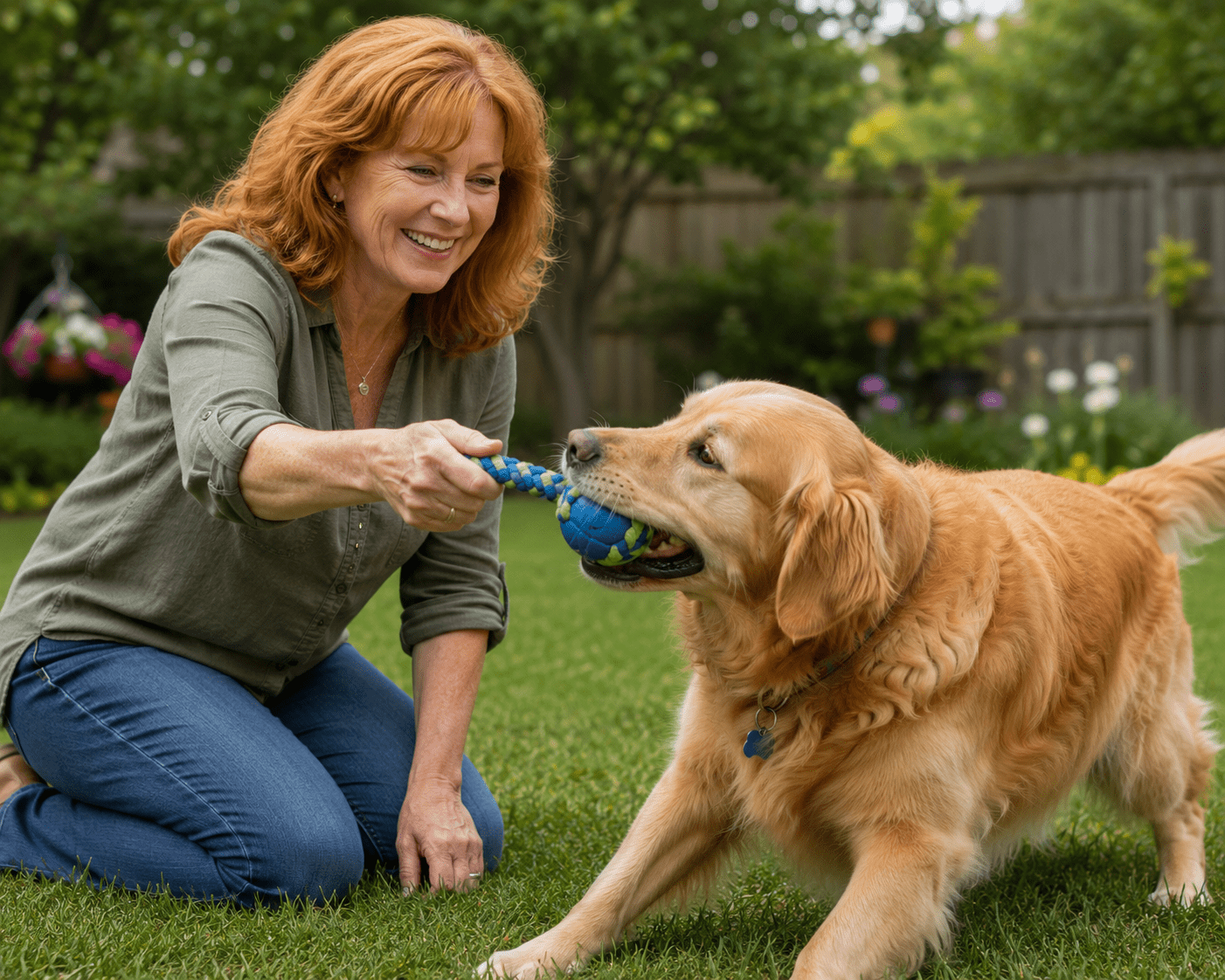
Dogs can get constipated for many of the same reasons people do: dehydration, lack of exercise, poor diet, aging, medications, or underlying health issues. While occasional constipation may not be an emergency, persistent constipation can make your dog uncomfortable and may sometimes signal a more serious problem.
If you've ever found yourself searching "What can I give my dog for a laxative?" or "How do I know if my dog is constipated or has a blockage?", you're not alone. These are some of the most common questions dog owners ask online.
In this guide, we'll cover everything you need to know about dog constipation, including signs to watch for, safe remedies, when to seek veterinary care, and how BestLife4Pets' Dog Laxative & Constipation Remedy can help support healthy digestion and regular bowel movements.
Table of Contents
- What Is Dog Constipation?
- What Can I Give My Dog for a Laxative?
- What Kind of Laxatives Can You Give to Dogs?
- What Home Remedy Can I Use for Dog Constipation?
- Can I Give My Dog a Laxative for a Blockage?
- How Do I Tell If My Dog Is Constipated or Has a Blockage?
- Supporting Long-Term Digestive Health in Dogs
1. What Is Dog Constipation?

Constipation occurs when a dog has difficulty passing stool or passes stools less frequently than normal.
A healthy dog typically has regular bowel movements that are easy to pass. When constipation develops, stool remains in the colon longer than it should, causing it to become dry, hard, and increasingly difficult to eliminate.
Common Signs of Dog Constipation
- Straining to poop
- Producing small, hard stools
- Going several days without a bowel movement
- Crying or showing discomfort while trying to poop
- Bloated abdomen
- Reduced appetite
- Lethargy
- Frequent squatting with little or no stool produced
Many owners mistake repeated squatting for diarrhea when it may actually be severe constipation.
What Causes Constipation in Dogs?
Several factors can contribute to constipation:
- Dehydration
- Low-fiber diets
- Lack of exercise
- Ingesting bones, grass, hair, or foreign objects
- Aging and reduced bowel function
- Side effects of certain medications
- Obesity
- Neurological disorders
- Enlarged prostate in male dogs
- Digestive system disorders
Identifying the cause is often the first step toward finding the right treatment.
2. What Can I Give My Dog for a Laxative?
One of the most common questions dog owners ask is:
"What can I give my dog for a laxative?"
The answer depends on the severity of the constipation and what's causing it.
For mild constipation, veterinarians often recommend increasing hydration, encouraging exercise, and adding digestive-supportive foods. However, not all human laxatives are safe for dogs, and some can be dangerous if used incorrectly.
Safe Ways to Support Bowel Movements
- Increase fresh water intake
- Offer moisture-rich foods
- Encourage gentle exercise
- Feed a balanced diet that supports digestive health
- Use pet-specific digestive support products
Many pet owners prefer natural digestive support options designed specifically for dogs.
A Gentle Daily Support Option
BestLife4Pets' Dog Laxative & Constipation Remedy is formulated to help support healthy digestion and regular bowel movements in dogs experiencing occasional constipation.
It may help support:
- Easier stool passage
- Reduced straining
- Digestive comfort
- Bloating relief
- Healthy bowel regularity
Unlike quick-fix solutions that only address symptoms temporarily, digestive-support products can help support long-term digestive wellness.
3. What Kind of Laxatives Can You Give to Dogs?

This is where many pet owners get into trouble.
Human laxatives should never be given without veterinary guidance because dosage requirements differ significantly between humans and dogs.
Types of Dog Laxatives
Veterinarians may recommend:
| Type | Purpose |
|---|---|
| Stool softeners | Help soften hard stool |
| Fiber supplements | Add bulk and moisture |
| Lubricant laxatives | Help stool move more easily |
| Osmotic laxatives | Draw water into the intestines |
| Prescription medications | Used for severe or chronic cases |
The appropriate option depends on the dog's age, health condition, and underlying cause of constipation.
Why Self-Medicating Can Be Risky
Giving the wrong laxative can:
- Cause diarrhea
- Lead to dehydration
- Worsen underlying conditions
- Delay treatment of a serious blockage
If your dog experiences frequent constipation, recurring digestive issues, or severe discomfort, veterinary guidance is important.
For ongoing digestive support, many owners use products like BestLife4Pets Dog Laxative & Constipation Remedy alongside healthy lifestyle changes to help maintain regularity.
4. What Home Remedy Can I Use for Dog Constipation?
For mild constipation, several supportive measures may help.
Increase Water Intake
Dehydration is one of the leading causes of constipation.
Ways to encourage hydration include:
- Multiple water bowls
- Fresh water daily
- Adding water to food
- Pet fountains
Encourage Movement
Exercise naturally stimulates intestinal movement.
Even a few extra walks can help encourage bowel activity.
Feed Moisture-Rich Foods
Wet food often contains more moisture than dry kibble and may help soften stool.
Monitor Dietary Fiber
Appropriate fiber intake can help support digestive regularity.
However, excessive fiber may worsen constipation in some dogs, which is why balance matters.
Use Digestive Support Products
Natural digestive-support formulas designed for dogs can help promote regular bowel movements while supporting overall digestive health.
BestLife4Pets Dog Laxative & Constipation Remedy is specifically formulated to help dogs struggling with:
- Hard stools
- Straining
- Bloating
- Occasional constipation
- Digestive discomfort
Many owners use it as part of a long-term digestive wellness routine.

5. Can I Give My Dog a Laxative for a Blockage?
"Can I give my dog a laxative for a blockage?"
This is an extremely important question.
The answer is usually no.
If your dog has an intestinal blockage, a laxative may not solve the problem and could potentially make matters worse.
Common Causes of Blockages
Dogs are notorious for swallowing things they shouldn't.
Examples include:
- Toys
- Bones
- Socks
- Rocks
- Corn cobs
- Fabric
- Plastic items
When an object becomes lodged in the digestive tract, stool cannot pass normally.
Signs of a Possible Blockage
- Vomiting
- Refusing food
- Abdominal pain
- Extreme lethargy
- No bowel movements
- Severe bloating
- Repeated unsuccessful attempts to poop
A blockage is a veterinary emergency.
If you suspect a blockage, contact your veterinarian immediately rather than attempting home treatment.
6. How Do I Tell If My Dog Is Constipated or Has a Blockage?
Many symptoms overlap, which is why owners often struggle to tell the difference.
Signs More Consistent with Constipation
- Hard stools
- Straining
- Small bowel movements
- Mild discomfort
- Normal appetite in some cases
Signs More Consistent with a Blockage
- Frequent vomiting
- Refusal to eat
- Severe abdominal pain
- Significant lethargy
- Rapid decline in condition
- No stool production at all
When to Call Your Veterinarian
Seek veterinary attention if:
- Constipation lasts more than 48 hours
- Your dog seems distressed
- There is blood in the stool
- Your dog is vomiting
- The abdomen becomes swollen
- Your dog refuses food or water
When in doubt, it's always safer to have your dog examined.
7. Supporting Long-Term Digestive Health in Dogs
Preventing constipation is often easier than treating it.
Healthy Habits That Help
- Ensure adequate hydration
- Maintain regular exercise
- Feed a balanced diet
- Schedule routine veterinary checkups
- Monitor stool quality
- Address digestive changes early
For dogs prone to constipation, ongoing digestive support can be especially beneficial.
BestLife4Pets Dog Laxative & Constipation Remedy is designed to help support:
- Healthy digestion
- Regular bowel movements
- Reduced straining
- Relief from occasional constipation
- Digestive comfort and wellness
When combined with proper hydration, nutrition, and exercise, it can be part of a comprehensive approach to keeping your dog's digestive system functioning smoothly.
Frequently Asked Questions
What can I give my dog for a laxative?
For mild constipation, hydration, exercise, and dog-safe digestive support products may help. Always consult a veterinarian before giving human laxatives.
What kind of laxatives can you give to dogs?
Veterinarians may recommend stool softeners, fiber supplements, osmotic laxatives, or prescription medications depending on the cause.
Can I give my dog a laxative for a blockage?
No. If a blockage is suspected, seek veterinary care immediately. A laxative may not resolve the issue and could delay proper treatment.
How do I tell if my dog is constipated or has a blockage?
Constipation typically involves hard stools and straining. Blockages often cause vomiting, loss of appetite, abdominal pain, and more severe symptoms.
What home remedy can I use for dog constipation?
Increasing water intake, encouraging exercise, feeding moisture-rich foods, and using digestive-support products designed for dogs may help mild cases of constipation.