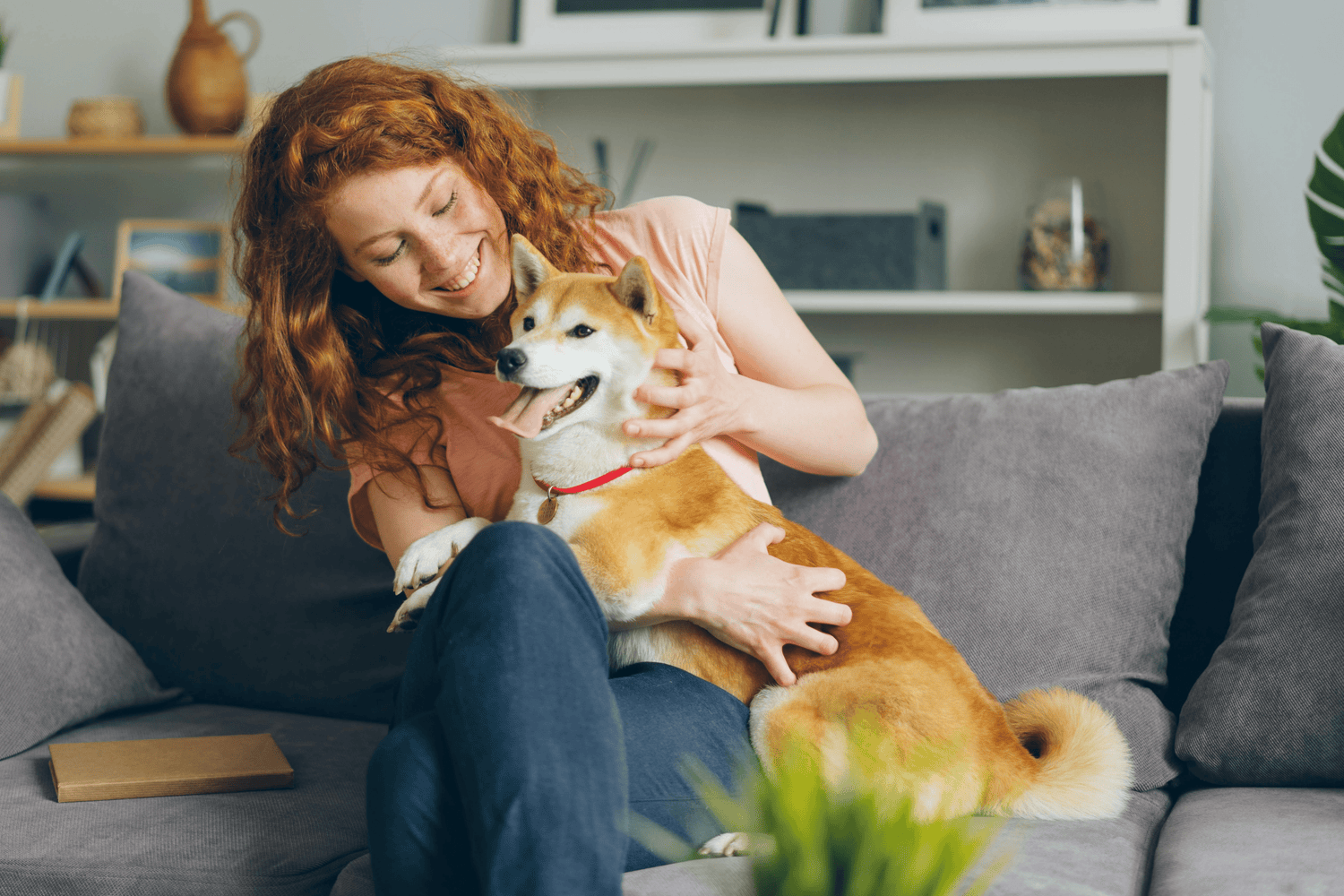
There are quiet moments you share with your dog. The soft mornings. The relaxed evenings. The way they lean into you as if that closeness makes everything feel right.
Sometimes, during those moments, you notice their breath has changed.
A new scent.
A heaviness that wasn’t there before.
Something that lingers.
You pause because you care, not because you’re afraid.
Most pet parents notice this at some point. Breath odor changes are common and often simply a sign that your dog’s mouth needs a bit of gentle attention.
This guide is here to help you understand the different types of odor, spot early gum irritation, and support your dog with natural, steady care.
Your dog is still the same loyal soul by your side; this is simply one of the ways they ask for help.
Table of Contents
- 1. When Should I Be Worried About My Dog's Breath?
- 2. What's Causing My Dog's Bad Breath?
- 3. Signs and Symptoms of Dog Gum Irritation
- 4. How Do I Know If My Dog Has Gum Disease?
-
5. Is It Possible To Prevent Peridontal Disease In Dogs?
- 6. When Should I Take My Dog To The Vet?
- A Final Note for You and Your Dog
1. When Should I Be Worried About My Dog's Breath?
Everyday Reasons a Dog’s Breath May Smell Different
Light changes in breath often trace back to normal parts of a dog’s day. Dogs use their mouths to explore far more than humans do. They taste the air, nibble pieces of grass, lick surfaces, and chew toys that have lived many lives of their own. Treats like Dentastix can also leave a scent behind. Because of all this activity, a mild odor is common and usually short-lived. These small shifts tend to disappear after your dog drinks water or rests for a bit. Many dogs develop a temporary smell after eating meat-based kibble or flavored chews, which lingers on their tongues. Even licking their paws can affect their breath for a short time. None of these changes points to dog bad breath in the medical sense; they’re simply the result of an active day. What matters most is how quickly the scent settles back to normal and whether your dog seems comfortable.
Another critical detail is behavior around food. Dogs experiencing normal, mild odor continue to eat without hesitation. They chew in their usual rhythm and show no signs of soreness. Their gums look healthy, and there’s no shift in posture while chewing. These small everyday indicators help you understand that the odor is probably harmless. When breath returns to its typical scent after a little while, it usually means nothing more than the natural mix of food and daily activity.
How Mild Odor Differs From Early Gum Trouble
Short-term odors tend not to leave a strong impression. It doesn’t cling to the air, and it doesn’t create a sharp scent. This is the most apparent difference between harmless breath and something linked to early oral changes. Temporary odor also doesn’t repeat in patterns. You may notice it once in the afternoon and not again for several days. Your dog may yawn near you with no scent at all, a few hours later. Mild smells don’t carry the “deep” quality often associated with canine gum disease or early irritation.
Paying attention to these natural patterns gives you confidence as you observe your dog. When breath fluctuates and returns to normal quickly, you’re likely seeing ordinary changes. These moments don’t require extra care beyond the usual routine. Fresh water, regular feeding, and normal play all support natural mouth comfort. Mild odor is part of everyday dog life, and understanding its normal patterns can help you feel more at ease while caring for your companion.
2. What's Causing My Dog's Bad Breath?
Clues That Odor Is Coming From the Gums, Not Food
There are times when breath carries a heavier scent, one that doesn’t lift after water or rest. This lingering odor can be an early sign of canine halitosis, which often appears before you notice any change in the gums. Instead of a light smell from snacks or treats, this odor has a thicker quality. You might catch it during a yawn or when your dog settles close to your face. It’s not dramatic, but it’s steady, and the consistency is usually what stands out. Dogs with early gum irritation may still eat normally, but they sometimes slow down while chewing firm food or take a moment to adjust how they hold treats in their mouths.
You might also notice an odor that stays through the day, even after brushing or rinsing. Some dogs start licking their lips more often as the gums become sensitive. Others press their mouth against soft surfaces in subtle attempts to soothe the area. None of these behaviors points to pain; they’re simply signs that the gums may be asking for attention. Unfortunately, early dog gum disease often begins quietly, because 40% of dental disease for dogs and cats are under the gumline, meaning they can not be seen visually.
How Early Gum Irritation Shows Up and What Helps
Small shifts in your dog’s behavior can offer more insight. A scent that makes you gently lean away, even when you wish you didn’t have to, can reflect early changes in the mouth. A sour tone to the breath, a heaviness that feels different from normal dog mouth odor, or a smell that settles in the room even after your dog walks away; these are the kinds of clues pet parents often describe before noticing visible gum changes. These signs are not emergencies. They are early signals that your dog may benefit from added support.
At this stage, natural remedies can be beneficial because they support the gums without the stress of brushing or mouth handling. Many dogs resist toothbrushes or firm dental chews, and forcing them can create tension. A gentle supplement mixed into food or water can offer comfort without disruption. If you’d like something simple to begin with, you can explore a natural option here:
Shop Natural Oral Relief Supplements →
Supporting your dog early can help keep small changes from progressing into periodontal disease in dogs, giving them more comfort as they go through their everyday routines.
3. Signs and Symptoms of Dog Gum Irritation

How Plaque Begins and Why Gums React
A dog’s mouth works nonstop from morning to night. Small pieces of food, saliva, and natural bacteria combine to create a soft coating on the teeth. This thin layer forms every day, and most of the time it’s harmless. When the coating stays for too long, though, it begins to thicken. This is the first step toward plaque. As plaque settles, it rests along the gumline and slowly pushes against the tissue. The gums become sensitive, and this sensitivity is often the earliest stage of dog gum disease.
During this time, many pet parents notice small shifts before anything looks different. A subtle change in breath can appear long before you see redness or swelling. The reason is simple: irritated gums release odor, and bacteria thrive in the plaque sitting along the teeth. This combination creates a scent that feels deeper than normal dog mouth odor, even when everything else looks fine on the surface. Dogs often keep eating and playing as they always have, which can make early irritation easy to overlook.
How Early Gum Changes Grow Into Larger Concerns
If plaque continues to build, the gums may begin to pull back slightly or appear puffy. These changes happen slowly, which is why so many dogs show behavior clues before any visible signs appear. A dog might shift to one side of the mouth while chewing or take longer to finish firm treats. These small adjustments are often the first indicators that early periodontal disease in dogs is beginning.
As plaque sits along the gumline for long stretches, bacteria settle into the pockets between the teeth and gums. This is where deeper irritation can develop. Over time, some dogs develop canine periodontal disease, characterized by more advanced gum recession and discomfort. The process is gradual, and most pet parents notice changes in their dog’s breath or chewing long before their dog feels significant pain. Understanding these early shifts makes it easier to support your dog with calm, steady care, especially when you begin addressing the irritation at the first signs.
4. How Do I Know If My Dog Has Gum Disease?
Clear Signs That Help You Understand What You’re Seeing
Most pet parents can read their dog’s cues better than they realize. You don’t need equipment or dental expertise to understand which breath changes are normal and which ones may reflect gum irritation. One of the easiest clues is how long the scent lasts. Odor that fades quickly is usually part of everyday life, especially after your dog eats, chews toys, or snacks on strong-smelling treats. When the smell stays for several days, though, it can point toward early gum sensitivity.
Another helpful indicator is the color and texture of the gums. If you notice redness along the edges or swelling that wasn’t there before, plaque may be pressing against the tissue. A thin film on the teeth that returns soon after brushing can also signal plaque buildup. Dogs may also show changes in chewing. They might hold food differently or shift pressure away from a tender spot. Avoiding firm treats is another quiet sign. These subtle clues often appear long before a dog shows hesitation or visible discomfort.
How to Respond When You Notice These Patterns
None of these signs call for panic. They’re simply messages from your dog’s mouth telling you something small is changing. When you notice these patterns, you can start with easy steps at home. Checking the gums occasionally, offering plenty of water, and choosing food or treats that don’t leave residue behind can all help.
If brushing is hard or your dog dislikes having their mouth touched, you don’t have to force it. Many dogs become tense during brushing, which can make the experience stressful for both of you. A natural supplement can be a good alternative because it supports both odor control and gum comfort without needing to come into direct contact with the mouth. These kinds of remedies can help reduce the early signs of canine periodontal disease and may also help soothe dog mouth odor as the gums return to balance.
The goal is gentle support, not perfection. Small observations and steady care can make a meaningful difference in your dog’s life.
5. Is It Possible To Prevent Peridontal Disease In Dogs?

Dental disease does not have to be an inevitability for your dog. If discovered early, peridontal disease can be easily manageable through a few preventative steps. Daily tooth brushings, dental chews, specialty foods, and gentle natural support are the keys to caring for your dog's oral health.
Small Daily Habits That Make Mouth Care Easier
Dogs often benefit the most from quiet, steady adjustments rather than big changes. Their mouths go through a lot each day, and even simple support can bring relief. Fresh water is the easiest place to start. When a dog drinks often, loose debris and leftover food particles wash away before they can settle along the gumline. This small action alone can reduce the chance of odors lingering.
For dogs who tolerate a gentle touch, wiping the gums with a soft cloth can help remove the thin film that collects during meals. Even a brief wipe can prevent buildup from settling into harder plaque. If your dog isn’t comfortable with this kind of handling, there’s no need to push it; many pets prefer a hands-off approach to mouth care. Offering treats that don’t cling to the teeth is another helpful shift. Some chews leave residue that sits along the gums, which can make dog mouth odor worse over time. Lighter, cleaner treats reduce that effect and help the mouth stay fresher between meals.
How Natural Support Helps Dogs Who Resist Brushing
Some dogs simply don’t accept brushing or firm dental chews, and forcing it can strain the bond you share. When that happens, natural oral support becomes a valuable option. A gentle supplement can help balance bacteria, soothe early irritation, and freshen breath from within. This approach is beneficial for dogs already showing signs of canine periodontal disease, because it supports the gums without pressure or discomfort.
If you want something simple to blend into your dog’s routine, you can take a closer look at this natural option:

As you introduce steady care, you may notice small changes: fresher breath, less redness along the gums, smoother chewing, and a more relaxed expression after meals. These quiet improvements are meaningful. They show that your support is working behind the scenes, helping your dog feel more at ease each day.
6. When Should I Take My Dog To The Vet?

How to Recognize When Extra Guidance Could Be Useful
Most of the time, breath changes and early gum irritation can be managed at home with gentle routines and natural support. Still, there are moments when a little outside guidance can bring peace of mind. If your dog begins skipping meals, hesitates to chew, or pulls away from food altogether, these may be signs that the mouth feels more tender than usual. Chewing slowly, dropping food, or avoiding favorite snacks can also hint that your dog is trying to protect a sensitive area.
A vet visit can help you understand whether there’s deeper irritation beneath the gumline. It doesn’t mean your dog is in serious trouble; many dogs show these behaviors early, long before significant discomfort develops. The visit is simply a way to gather information so you feel grounded in whatever choice comes next. Sometimes, a quick look at the gums or a short conversation is enough to point you in the right direction.
Balancing Professional Guidance With Natural Support
Even when a vet weighs in, you don’t need to rush into decisions. You can take your time, observe your dog’s behavior, and choose the path that feels balanced. Natural support can fit into the picture at any stage. Whether you’re caring for early dog gum disease at home or considering next steps with your veterinarian, gentle remedies help soothe the mouth and offer comfort your dog can feel day to day.
This kind of support is easy to use alongside any plan. If your dog needs extra care over time, adding a natural supplement can help manage odor and gum sensitivity while you monitor changes. Many dogs feel calmer and more willing to eat once their mouths feel less irritated. The key is moving at a pace that keeps both you and your dog comfortable.
Natural care doesn’t replace professional help, but it can make the day-to-day experience kinder for your dog while you decide what, if anything, needs to come next.
A Final Note for You and Your Dog
Your attention is one of the greatest gifts you give your dog. Breath changes and gum irritation are common, and with early, steady support, many dogs stay comfortable for years.
If you’re concerned about you dog's oral health, don't hsistate to get the natural support they need.
Your care is already making a difference. Your dog feels that, every single day.