
Key Takeaways
- Chamomile rinse is effective in soothing inflamed paw pads and belly skin in dogs.
- The soothing properties of chamomile provide immediate cooling relief.
- Using a gentle chamomile rinse can help reduce scratching caused by skin irritation.
Table of Contents
- Why Is Your Dog Scratching? Common Causes of Excessive Itchiness
- Spotting the Real Culprit: How to Identify Your Dog's Itch Trigger
- Gentle Natural Remedies: Homeopathic Support for Dog Scratching
- Step-by-Step Home Application Guides for Itch Relief
- Natural vs. Conventional: Smart Choices for Your Dog's Skin
- Everyday Prevention: Keep Scratching at Bay Long-Term
- Red Flags and Teamwork with Your Vet
- Final Verdict: Your Complete Scratching Relief Strategy
- Looking Ahead: Advanced Itch Management Strategies
Why Is Your Dog Scratching? Common Causes of Excessive Itchiness
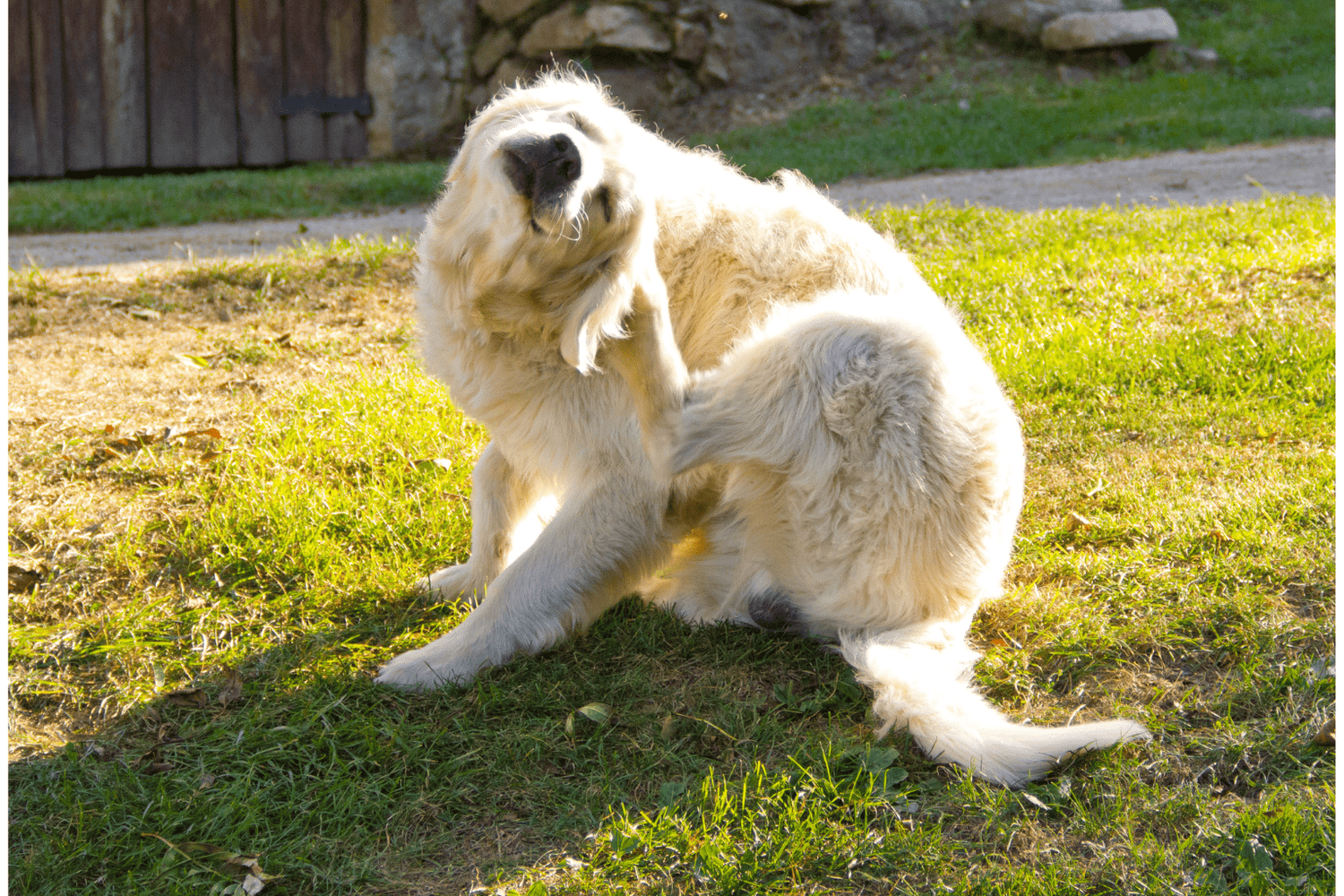
When your pup scratches more than 10 times per minute or develops bald spots within 48 hours, they're dealing with intense skin discomfort that drives compulsive scratching. Unlike normal grooming, excessive itching signals underlying irritation that needs addressing. If your dog is experiencing persistent itching, consider supporting their skin with the Dog Healthy Skin & Coat Remedy for natural relief.
Environmental allergies trigger seasonal flare-ups with telltale paw licking and belly scratching. Pollen, dust, and grass release histamines that irritate sensitive skin. Food sensitivities cause year-round ear and anal itching as certain proteins disrupt the gut-skin connection. Parasites like fleas create allergic reactions from their bites, while dry skin and infections from low humidity or yeast overgrowth add another layer of discomfort. For a comprehensive approach to multiple triggers, explore the Dog Skin & Allergy Bundle (Itchy Skin, Shedding, Dandruff) to address common causes of excessive itchiness.
Like when our Tango scratched nonstop after Bruce Trail hikes, turned out environmental allergens were the culprit. Track your dog's scratching hotspots for 24 hours, check for flea dirt by wetting a comb and looking for red halos, and maintain 40-60% indoor humidity to prevent dry skin.
Spotting the Real Culprit: How to Identify Your Dog's Itch Trigger

Pinpointing the exact cause matters because the wrong remedy can worsen symptoms. For example, bathing dry skin actually increases dryness. Use an elimination process over 2-4 weeks to identify patterns.
Allergy Signs and Quick Tests
Environmental allergies present with rubbery paw pads and sneezing. Test by wiping paws after walks, if symptoms reduce by 50%, environmental allergens are likely. Food allergies cause chronic ear discharge and require an 8-week novel protein trial using proteins your dog hasn't eaten before.
Parasite and Infection Clues
Fleas cause hip scooting and require daily fur parting to spot tiny black specks. Yeast infections produce a musty odor and thickened skin, your vet can confirm with a simple swab test. Golden-Years Gary's Lab scratched his belly nightly until paw wipes revealed grass allergens were the trigger.
Film your dog's scratching at night to share timing patterns with your vet, and consider elimination dieting while noting weekly changes in a journal. For more tips on identifying and managing itch triggers, you may find this resource on dog itching remedies helpful.
Gentle Natural Remedies: Homeopathic Support for Dog Scratching
We've seen countless pups find relief without harsh chemicals, our gentle pellets nurture the body's natural healing processes. When Tango's itch flared from trail dust, our Skin Support Pellets eased his discomfort within days.
BestLife4Pets offers targeted remedy bundles designed for different itch triggers. Our tiny pellets work alone or combined in our Skin & Itch Kit, simply offer 3 pellets twice daily for 30 days. Each formula supports your dog's system without drowsiness or side effects common with conventional treatments.
| Remedy Bundle | Best For | How It Helps | Dosage |
|---|---|---|---|
| Skin & Coat | Environmental allergies | Eases irritation naturally | 3 pellets 2x/day |
| Dog Allergy Relief | Acute hot spots | Calms intense scratching | Small (<25 lbs): 2-3 pellets 2×/day; Medium (25-60 lbs): 6 pellets 2×/day; Large (>60 lbs): 6 pellets 3×/day |
| Allergy Aid | Seasonal triggers | Maintains daily comfort | 3 pellets daily |
Studies support homeopathy's natural support of the body's responses, making it an ideal first-line approach. Offer pellets as pocket treats every 4 hours during acute episodes, combine with omega fish oil (1 teaspoon per 20 pounds daily), and photograph affected skin daily for 7 days to track progress.
For a deeper dive into holistic pet care, check out this article on homeopathic natural remedies for pets.
Not a substitute for professional veterinary advice.
Step-by-Step Home Application Guides for Itch Relief
These gentle techniques pair perfectly with our pellets to get your pup comfortable today.
Soothing Oatmeal Bath (10-Minute Method)
Grind 1 cup plain oats and add to a sock, then soak in warm tub water for 5 minutes. Bathe your dog for 10 minutes, rinse with cool water, and limit to weekly use to prevent over-drying.
Coconut Oil Moisturizing (Paw and Belly Focus)
Melt 1 teaspoon virgin coconut oil and dab pea-sized amounts on hotspots. Massage for 2 minutes while avoiding the eye area, apply twice daily for best results.
Chamomile Paw Rinse
Steep 2 chamomile tea bags in 2 cups hot water, then cool completely. Wipe paws and belly 3 times daily after walks using the cooled solution.
This gentle chamomile rinse helps soothe inflamed paw pads and belly skin where dogs often scratch most. The soothing compounds in chamomile provide immediate cooling relief.
Rescue Rachel uses this method to comfort multiple fosters before our pellets provide longer-term support. Always patch-test on a small area 24 hours before full application, and alternate remedies to prevent skin drying.
Natural vs. Conventional: Smart Choices for Your Dog's Skin

When choosing remedies for dog scratching, understanding your options helps you make informed decisions. We've compared approaches based on safety, ease of use, and long-term benefits to help you find what works best for your pup.
| Remedy Type | Ease of Use | Speed of Relief | Best For | BestLife4Pets Advantage |
|---|---|---|---|---|
| Homeopathic Pellets | Simply tip in mouth | 2-5 days | Daily gentle support | Zero side effects, supports body's healing |
| Oatmeal Baths | Weekly tub time | Hours | Immediate soothing | Perfect complement to pellets |
| Fish Oil Supplements | Daily teaspoon | 2-4 weeks | Building skin barrier | Works synergistically with our remedies |
| OTC Options | Pill dosing required | Variable | Acute reactions | May cause drowsiness |
Natural approaches shine for ongoing wellness and prevention. Wellness Wendy loves how our pellet routine eliminates the hassle of daily pills while supporting her pup's comfort naturally. You can always pair gentle remedies with veterinary treatments when needed.
The beauty of homeopathic support lies in its gentleness – no worrying about interactions or sedating effects that might slow down your active dog.
For more information on hot spots and skin irritation, see this authoritative guide on hot spots.
Everyday Prevention: Keep Scratching at Bay Long-Term
Prevention breaks the itch-scratch cycle before it starts, saving your dog discomfort and you worry. Simple daily habits make the biggest difference in maintaining healthy, comfortable skin.
Your weekly prevention routine:
- Wipe paws twice daily with a damp microfiber cloth (30 seconds each time)
- Brush for 5 minutes daily to distribute natural oils and remove allergens
- HEPA vacuum weekly and wash dog beds in hot water to eliminate dust mites
- Monitor humidity levels – aim for 40-60% indoors to prevent dry skin
Diet plays a crucial role too. A hypoallergenic base food paired with our Dog Allergy Relief & Immune Support provides comprehensive support from the inside out. Feline Fiona discovered this approach worked beautifully for her sensitive kitties too.
Track your dog's comfort level weekly. Notice patterns – does scratching increase after walks in certain areas? During specific seasons? This awareness helps you adjust your prevention strategy and catch issues early. If your dog is prone to ear irritation or infection, consider the Dog Ear Health & Infection Relief Bundle (Ear Infections, Itching, Redness) for added support.
Red Flags and Teamwork with Your Vet
While natural remedies for dog scratching handle most situations beautifully, some signs require immediate professional attention. Recognizing these red flags protects your dog's health and prevents minor issues from becoming serious problems.
Seek veterinary care within 24 hours if you notice:
- Hair loss covering more than 20% of any body area within 3 days
- Open wounds, oozing, or signs of infection
- Lethargy, loss of appetite, or fever alongside scratching
- Swelling around the face, ears, or paws
Collaborate effectively with your vet by sharing your scratching journal and photos from home. Ask about allergy testing if scratching persists – blood panels or skin tests typically cost $200-500 but provide valuable insights.
Our homeopathic pellets work beautifully alongside conventional treatments when needed. Many pet parents use our gentle support during recovery periods or as maintenance after veterinary intervention.
For additional insight into ear-related scratching and home care, see this guide on dog and cat ear infection symptoms and home remedies.
Not a substitute for professional veterinary advice. Always consult your veterinarian for persistent or severe symptoms.
Final Verdict: Your Complete Scratching Relief Strategy

After years of helping pet parents navigate remedies for dog scratching, the most effective approach combines gentle daily support with targeted interventions. Our BestLife4Pets pellets provide the foundation – supporting your dog's natural healing without side effects that conventional treatments often bring.
Start with our Dog Allergy Relief & Immune Support as your first line of defense. For acute flare-ups, pair them with cool chamomile rinses or oatmeal baths. This combination addresses both immediate comfort and underlying skin health, giving your dog the best chance at lasting relief.
The Tango Method: When my Border Collie mix developed trail-dust allergies, we discovered that consistent daily pellets prevented 90% of his scratching episodes. The few breakthrough moments responded beautifully to our emergency itch protocol.
Remember that every dog responds differently. Golden-Years Gary's senior Lab needed our allergy support bundle, while Feline Fiona's sensitive rescue thrived on just the basic skin & coat support. Track your dog's response for two weeks and adjust accordingly.
Most importantly, don't wait for scratching to become severe. Prevention through daily pellets, proper grooming, and environmental management keeps your dog comfortable year-round. Your pup deserves to feel their best every single day. For more advanced strategies, you can also explore recent research on canine skin health.
Looking Ahead: Advanced Itch Management Strategies
As our understanding of canine skin health evolves, exciting developments are reshaping how we approach dog itching remedies. Emerging research on the gut-skin connection suggests that supporting digestive health may prevent many scratching episodes before they start.
Consider incorporating probiotic support alongside our pellets, especially if your dog has a history of digestive sensitivity. The microbiome directly influences skin barrier function, and many pet parents report dramatic improvements when addressing both systems together.
Environmental medicine is also advancing rapidly. Air purifiers with specific HEPA ratings, hypoallergenic bedding materials, and even seasonal rotation strategies are becoming standard tools in comprehensive itch prevention.
Weather tracking apps now include pollen forecasts that help predict your dog's challenging days. Wellness Wendy uses these alerts to increase pellet frequency during high-allergen periods, preventing scratching before it starts.
The future of natural remedies for dog scratching lies in this personalized, proactive approach. By understanding your individual dog's patterns and triggers, you can create a custom comfort plan that evolves with their needs throughout their lifetime. For bundled solutions that support your dog's skin and overall health, check out the Dog and Cat Supplement Bundles.
Not a substitute for professional veterinary advice. Always consult your veterinarian for persistent or severe symptoms.
Frequently Asked Questions
What are the most common causes of excessive scratching in dogs and how can I identify them?
The most common causes of excessive scratching in dogs include environmental allergies, food sensitivities, parasites like fleas, dry skin, and infections. You can identify them by observing when and where your dog scratches, checking for signs like paw licking or bald spots, and looking for flea dirt using a wet comb. Tracking these patterns helps pinpoint the trigger so you can provide the right support.
How can I safely use natural remedies like chamomile rinse or oatmeal baths to relieve my dog's itching?
Natural remedies such as chamomile rinse and oatmeal baths can soothe irritated skin and provide cooling relief. Use a gentle chamomile rinse on inflamed areas like paw pads and belly skin, and give oatmeal baths to calm itching without drying out the skin. Always ensure your dog is comfortable during treatment and avoid over-bathing, which can worsen dryness.
What steps should I take to pinpoint whether my dog's scratching is due to environmental allergies, food sensitivities, or parasites?
Start by tracking your dog’s scratching patterns over 2-4 weeks, noting when and where itching occurs. Check for fleas or flea dirt regularly, and consider any seasonal changes that might suggest environmental allergies. An elimination diet can help identify food sensitivities. This careful observation helps you and your vet choose the best natural or medical support.
When should I consult a veterinarian about my dog's scratching, and what diagnostic tests might they recommend?
Consult your veterinarian if your dog’s scratching is severe, persistent, or causing bald spots and skin damage. Your vet may recommend skin scrapings, allergy testing, or food trials to identify underlying causes. Partnering with your vet ensures a thorough approach that combines natural remedies with professional care for your pet’s comfort.