Key Takeaways
- A dog squinting in the morning may indicate an eye infection rather than just sleepiness.
- Recognizing the symptoms of an eye infection in dogs early is crucial.
- Prompt identification can prevent minor irritations from becoming serious issues.
- Some eye infections in dogs require veterinary care for proper treatment.
Table of Contents
- When Dogs Eyes Infected: Recognizing the Warning Signs
- What Triggers Canine Eye Infections
- Immediate Care Steps for Infected Eyes
- Gentle Homeopathic Relief for Eye Infections
- When Professional Care Becomes Essential
- Prevention Strategies for Long-Term Eye Health
- Community Success Stories and Solutions
- Your Path Forward with Natural Eye Care
- Selecting the Right Natural Support for Your Dog
- Building Resilient Eye Health Long-Term
- Integrating Natural Support with Professional Care
- Your Confident Path to Natural Eye Care
When Dogs Eyes Infected: Recognizing the Warning Signs
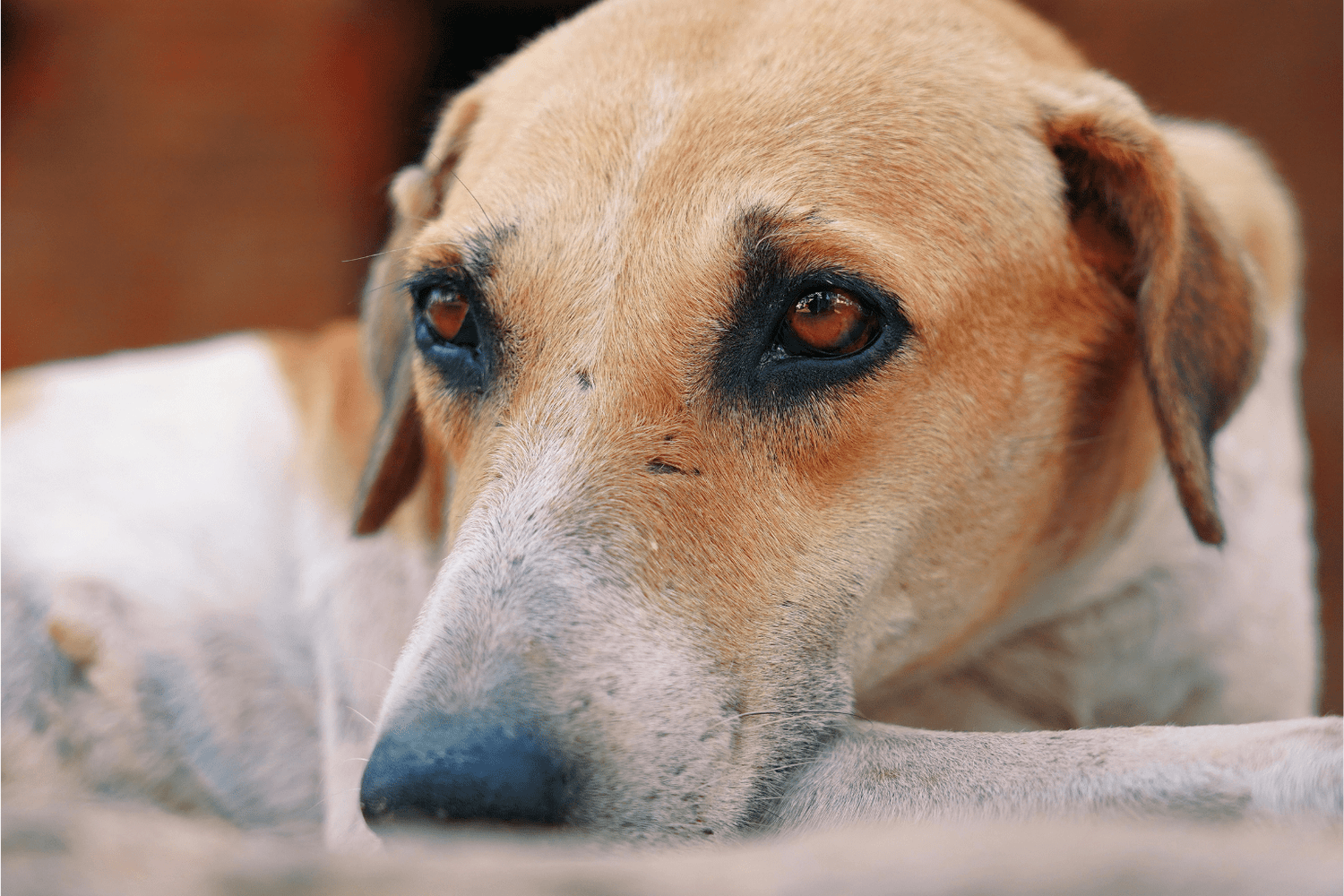
That morning squint from your pup isn't always sleepiness. When dogs eyes infected symptoms appear, quick recognition makes all the difference between a minor irritation and a serious problem requiring veterinary care.
Eye discomfort in dogs typically stems from bacteria, allergens, or physical trauma. The telltale signs include redness, discharge, and behavioral changes like excessive pawing or light sensitivity. Dog Eye Care & Eye Infection Treatment can help support your dog's comfort and natural healing process.
For dogs experiencing watery eyes, redness, or tear staining, a Dog Eye Health & Allergy Relief Bundle provides comprehensive support for both discomfort and allergies.
Visual Clues That Demand Attention
Discharge patterns reveal discomfort type: clear and watery suggests irritation, while thick yellow or green discharge with odor indicates bacterial concerns. Redness extending beyond the eye to surrounding tissue signals inflammation requiring immediate care.
Behavioral changes often appear first. Dogs with eye discomfort squint, avoid bright lights, paw at their faces, or show their third eyelid more prominently than usual.
Distinguishing Discomfort from Simple Irritation
Single-eye problems typically indicate trauma or foreign objects, while both eyes affected simultaneously suggests allergies or systemic issues. Cloudiness in the cornea or pupils that don't respond to light changes require emergency veterinary evaluation.
The "tissue test" helps assess tear production: gently place a clean tissue strip under the lower eyelid for 15 seconds. Less than 15mm of moisture indicates dry eye, a common concern.
What Triggers Canine Eye Infections

Understanding why dog eye discomfort develops helps prevent future episodes. Environmental factors, breed characteristics, and underlying health conditions all contribute to eye irritation risk.
Bacterial and Environmental Triggers
Contaminated water sources like stagnant ponds or chlorinated pools introduce harmful bacteria. Wind-blown debris, pollen, and dust particles create micro-scratches that become irritation entry points.
Grooming accidents frequently cause chemical irritation when shampoo or soap contacts the eye. Long facial hair acts as a debris collector, constantly brushing against sensitive eye tissues.
High-Risk Dogs and Anatomical Factors
Brachycephalic breeds like Bulldogs, Pugs, and Boston Terriers face increased discomfort rates due to prominent eyes and shallow eye sockets. Their protruding eyes catch more airborne irritants and suffer more frequent trauma.
Senior dogs and puppies show greater susceptibility due to compromised immune systems. Blocked tear ducts and eyelid abnormalities like entropion create ongoing irritation risks in predisposed animals. For more information on identifying and managing eye concerns, see spotting and solving eye infections in dogs.
Immediate Care Steps for Infected Eyes
Quick Action Protocol: Flush with sterile saline solution, 5ml per affected eye, twice daily until veterinary evaluation.
Proper home care bridges the gap between symptom recognition and professional treatment. Safe cleaning techniques remove irritating material without causing additional trauma.
Stress-Free Eye Examination
Dim overhead lighting reduces discomfort during examination. Gently hold your dog's head steady while checking for visible foreign objects, but never attempt removal with tweezers unless the object is clearly surface-level and easily accessible.
Monitor changes hourly, photographing the affected eye to track progression. This documentation proves valuable for veterinary consultation, especially for weekend or after-hours situations.
Step-by-Step Cleaning Process
Saline solution preparation: Mix one teaspoon of salt in one cup of boiled, cooled water. Apply 3-5 drops per eye using a clean dropper, then gently wipe outward from the inner corner using soft cloth.
Prevent self-trauma with a properly fitted E-collar if your dog paws at the affected eye. The collar should allow eating and drinking while preventing facial contact. Replace twice daily until symptoms resolve.
Gentle Homeopathic Relief for Eye Infections
Natural support complements traditional care by encouraging the body's healing response. Our homeopathic pellets offer gentle relief without the side effects common with conventional medications.
Why Choose Pellet-Based Support
Homeopathic pellets work systemically to support natural healing processes while addressing inflammation and discharge. Unlike topical treatments that may sting or cause additional irritation, pellets provide comfortable administration even for sensitive dogs.
Our community regularly shares success stories: "Tango's eyes cleared completely within three days of starting the pellets, and he never fought the twice-daily dosing."
BestLife4Pets Eye Care Application
Standard dosing: For dogs under 25 lbs: 2-3 pills 2×/day; Medium (25-60 lbs): 6 pills 2×/day; Large (>60 lbs): 6 pills 3×/day. Maintenance: half-dose 1×/day.
The pellets dissolve quickly and work effectively whether given directly or hidden in treats. One container supports multiple episodes and works safely alongside veterinary medications when professional care becomes necessary. For additional immune support, especially in dogs prone to allergies, consider the Dog Allergy Relief & Immune Support.
| Dog Weight | Pellet Count | Frequency | Duration |
|---|---|---|---|
| Under 25 lbs | 2-3 pills | 2×/day | 5-7 days |
| 25-60 lbs | 6 pills | 2×/day | 5-7 days |
| Over 60 lbs | 6 pills | 3×/day | 5-7 days |
When Professional Care Becomes Essential

Recognizing emergency situations prevents minor irritations from becoming vision-threatening conditions. Certain symptoms require immediate veterinary intervention regardless of home care efforts.
Red Flag Symptoms Requiring Immediate Attention
Corneal cloudiness or opacity indicates potential ulceration, which can progress rapidly without treatment. Any eye that remains completely closed despite gentle cleaning attempts suggests severe pain requiring prescription intervention.
Green or bloody discharge accompanied by eye bulging may signal increased intraocular pressure. These symptoms require immediate pressure testing to prevent permanent vision loss.
Preparing for Professional Evaluation
Document symptom progression with timestamped photos showing discharge color, eye position, and surrounding tissue condition. Note specific behavioral changes like appetite loss, lethargy, or fever accompanying the eye discomfort.
Bring a complete timeline: when symptoms first appeared, what treatments you've attempted, and any environmental exposures. This information helps veterinarians distinguish between various causes, directing appropriate treatment protocols. For more details on red eyes and related symptoms, read dogs eyes red.
Prevention Strategies for Long-Term Eye Health
Daily Prevention Protocol: Weekly facial hair trimming, post-activity eye rinses, and breed-specific protective measures reduce irritation risk by up to 70%.
Consistent preventive care proves more effective than reactive treatment. Simple daily habits address the root causes before dogs eyes infected symptoms develop.
Essential Daily Care Routines
Facial hair management prevents constant eye irritation by trimming hair to one-quarter inch around the eyes weekly. Use blunt-tip scissors and work in good lighting to avoid accidental injury.
Post-activity rinses remove environmental irritants before they cause problems. A gentle saline spray after walks, swimming, or outdoor play sessions eliminates pollen, dust, and chemical residues that trigger discomfort.
Targeted Care for High-Risk Breeds
Brachycephalic breeds benefit from daily gentle eye wipes using veterinary-approved solutions. Their prominent eyes collect more debris and require consistent cleaning to prevent bacterial buildup.
Dogs with known allergies need environmental controls including air purifiers, regular bedding washing, and seasonal homeopathic support. Protective eyewear during dusty activities shields vulnerable eyes from trauma and irritant exposure. For a comprehensive approach to ENT health, explore Over-the-Counter Natural Eye, Ear, Nose, and Throat (ENT) Supplements for Dogs & Cats.
Community Success Stories and Solutions
Real experiences from our community demonstrate how early intervention and natural support create positive outcomes for dogs facing eye discomfort.
Proven Recovery Approaches
Gary's Labrador developed recurring eye irritation during hiking season. Combining our homeopathic pellets with pre-hike preventive dosing eliminated the cycle of post-adventure discomfort, keeping his senior dog active and comfortable.
For dogs with chronic dry eye conditions, daily supportive care prevents secondary bacterial concerns. Our pellets work alongside prescribed artificial tears to maintain healthy tear film production.
Frequently Encountered Scenarios
Healing timeframes typically range from 3-7 days with consistent care, though chronic conditions require ongoing management. Bacterial concerns respond faster than viral causes, which may need extended support periods.
Contagious conditions spread between pets through direct contact or shared water bowls. Isolate affected animals and sanitize common areas until symptoms completely resolve to protect household companions. For additional reading, see disorders of the conjunctiva in dogs.
Your Path Forward with Natural Eye Care

Early recognition combined with gentle natural support offers the best outcomes for dogs eyes infected situations. Our homeopathic approach supports your dog's natural healing while providing the comfort they need during recovery.
Questions about your specific situation? We're available for guidance and support throughout your dog's healing journey. Our community-focused approach means you're never alone in caring for your pet's health challenges.
Ready to provide natural eye support? Our carefully formulated pellets offer gentle relief that works alongside your veterinary care plan. Every purchase supports rescue organizations, extending healing to dogs in need.
Selecting the Right Natural Support for Your Dog
Natural Support Decision: Choose homeopathic pellets for gentle, systemic support that works with your dog's healing process, not against it.
Natural eye care options vary significantly in approach, safety profile, and effectiveness. Understanding these differences helps you make informed decisions when dogs eyes infected situations arise. For a broader look at natural dog health solutions, visit Discover Natural Dog Supplements & Remedies for Common Dog Health Problems.
Homeopathic Pellets vs. Herbal Remedies
Homeopathic pellets offer precise dosing without risk of toxicity or drug interactions. Unlike herbal tinctures that may sting sensitive eyes, pellets work systemically to support the body's natural healing response.
Herbal eyewashes require careful dilution and sterile preparation. Many herbs contraindicate with common medications, making pellets safer for dogs on multiple treatments or with underlying health conditions.
Why Pellets Excel Over Liquid Applications
Direct eye applications often increase irritation in already inflamed tissues. Our pellets bypass this issue entirely, delivering support through the digestive system for gentle, whole-body healing.
Liquid remedies risk contamination from dropper contact with affected eyes. Pellets maintain sterility throughout treatment, preventing cross-contamination between affected and healthy eyes.
Building Resilient Eye Health Long-Term
Sustainable eye health requires understanding your dog's individual risk factors and environmental challenges. This knowledge shapes effective prevention strategies that evolve with your pet's changing needs.
Adapting Care Through Seasonal Changes
Spring and summer bring increased pollen exposure and swimming activities. Proactive homeopathic support during these months reduces inflammatory responses before symptoms develop.
Winter's dry indoor air and road salt exposure create different challenges. Humidifiers and post-walk rinses protect against these seasonal irritants while maintaining consistent supportive care. For more on related symptoms, see dog red eyes.
Special Considerations for Senior Dogs
Older dogs develop decreased tear production and compromised immune responses. Regular supportive care becomes even more critical as natural defenses weaken with age.
Senior dogs benefit from gentler, more frequent cleaning routines combined with ongoing homeopathic support. This approach maintains comfort while preventing the recurring discomfort common in aging pets.
Integrating Natural Support with Professional Care

The most successful outcomes combine veterinary expertise with natural supportive care. This collaborative approach addresses immediate concerns while building long-term resilience.
Working Alongside Veterinary Treatments
Homeopathic pellets complement prescribed medications without interference. Many veterinarians appreciate clients who provide gentle supportive care that enhances healing. For dogs experiencing both ear and eye issues, the Ear Infection & Itch Relief can be a helpful addition to your care routine.
Communication with your veterinarian about natural support creates better treatment outcomes. Share your homeopathic approach and observe how it supports prescribed treatments for optimal results.
Effective Progress Monitoring
Track improvement through daily photos and behavior observations. Note discharge changes, comfort levels, and activity patterns to gauge healing progress accurately.
Consistent monitoring helps distinguish normal healing fluctuations from complications requiring veterinary intervention. This vigilance ensures dogs eyes infected situations resolve completely without complications. For further scientific reading, see this research on canine ocular infections.
Your Confident Path to Natural Eye Care
Armed with knowledge about recognition, natural support, and professional collaboration, you're prepared to handle eye health challenges with confidence. Early intervention combined with gentle homeopathic support offers the best outcomes for your dog's comfort and vision.
Remember that every dog responds differently to natural support. Start with our recommended protocols and adjust based on your pet's individual response and healing timeline.
Ready to provide the gentle, effective support your dog deserves? Our homeopathic eye care pellets offer proven relief that works with your dog's natural healing abilities. Join thousands of pet parents who've discovered the power of nurturing with nature.
Frequently Asked Questions
What are the early warning signs that my dog's eyes might be infected?
Early signs include redness, swelling, discharge, and your dog squinting or blinking more than usual. You might also notice your dog pawing at their eyes or showing sensitivity to light, which can signal irritation or infection.
What common triggers cause eye infections in dogs, and how can I prevent them?
Eye infections often stem from bacteria, allergens, or physical trauma like scratches or foreign objects. Preventive steps include keeping your dog's face clean, avoiding dusty or smoky environments, and gently wiping away debris to reduce irritation.
When should I seek professional veterinary care for my dog's eye infection?
If redness spreads beyond the eye, discharge becomes thick or colored, your dog shows increased discomfort, or if cloudiness or changes in pupil response occur, it's time to consult your vet promptly. Early veterinary care helps prevent complications.
Are there effective natural or homeopathic remedies to relieve my dog's eye discomfort?
Yes, gentle homeopathic pellets can support your dog’s natural healing and ease discomfort when used alongside proper care. Products like our Dog Eye Care & Eye Infection Treatment help maintain eye health and soothe irritation, but always consult your vet if symptoms persist.